
Search
Showing results for "early life"
Rates of mental illness are disproportionately high for young adult and higher education (e.g., university student) populations. As such, universities and tertiary institutions often devote significant efforts to services and programs that support and treat mental illness and/or mental distress. However, within that portfolio of treatment approaches, structured exercise has been relatively underutilised and greater research attention is needed to develop this evidence base.
Describe the ear and hearing outcomes in Aboriginal infants in an Australian urban area. Aboriginal infants enrolled in the Djaalinj Waakinj prospective cohort study had ear health screenings at ages 2-4, 6-8 and 12-18 months and audiological assessment at ∼12 months of age. Sociodemographic, environmental characteristics, otoscopy, otoacoustic emissions, tympanometry and visual reinforcement audiometry data were collected.
In preparation for the future arrival of a group A Streptococcus (GAS) vaccine, this study estimated the economic and health burdens of GAS diseases in New Zealand. The annual incidence of GAS diseases was based on extrapolation of the average number of primary healthcare episodes managed each year in general practices (2014-2016) and on the average number of hospitalizations occurring each year (2005-2014). Disease incidence was multiplied by the average cost of diagnosing and managing an episode of disease at each level of care to estimate the annual economic burden.
A vaccine that prevents GAS cellulitis and other skin infections, in addition to throat infections, would maximise its value and commercial viability
Non-fatal health outcomes from diseases and injuries are a crucial consideration in the promotion and monitoring of individual and population health.
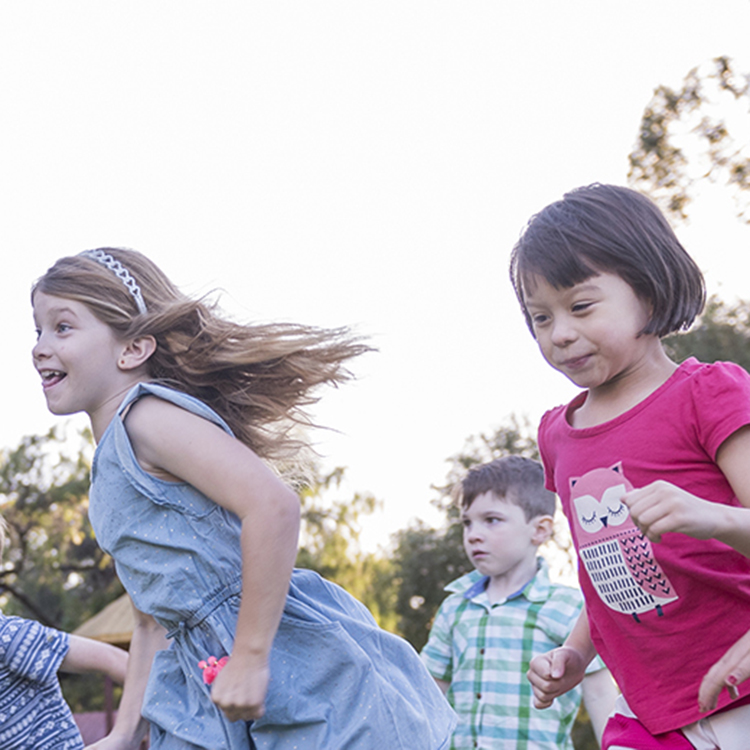
Our Board of Directors all give their time voluntarily and work together to guide the overall business of the Institute, bringing a diverse range of experience from the business, academic and community sectors.
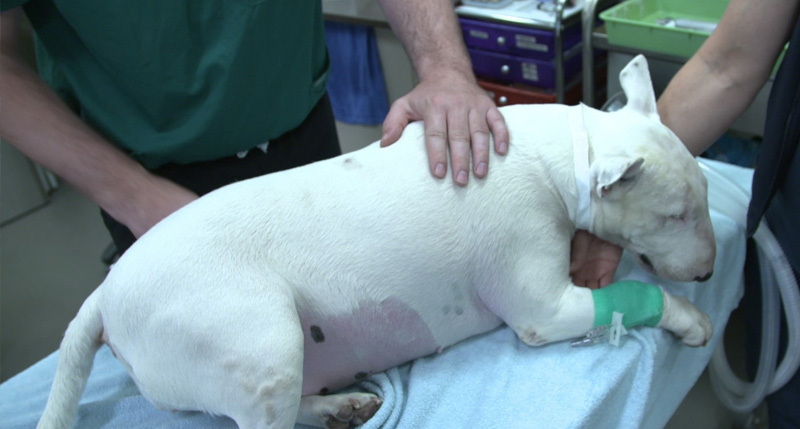
The Kids Research Institute Australia is leading a unique clinical trial in pet dogs that could pave the way for a new immunotherapy treatment for one of the most common childhood cancers, Sarcoma.

Congratulations to two of The Kids Research Institute Australia’s most respected female researchers – Professor Donna Cross and Professor Britta Regli-von Ungern-Sternberg – on being inducted into the Western Australian Women’s Hall of Fame.
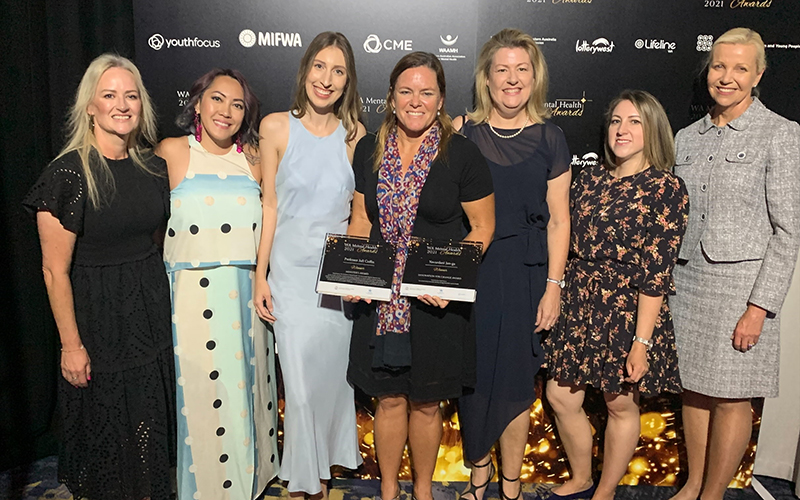
Outstanding Aboriginal mental health researcher Professor Juli Coffin has taken out top honours at the 2021 Western Australian Mental Health Awards in recognition of her ground-breaking work to enhance Aboriginal social and emotional wellbeing.
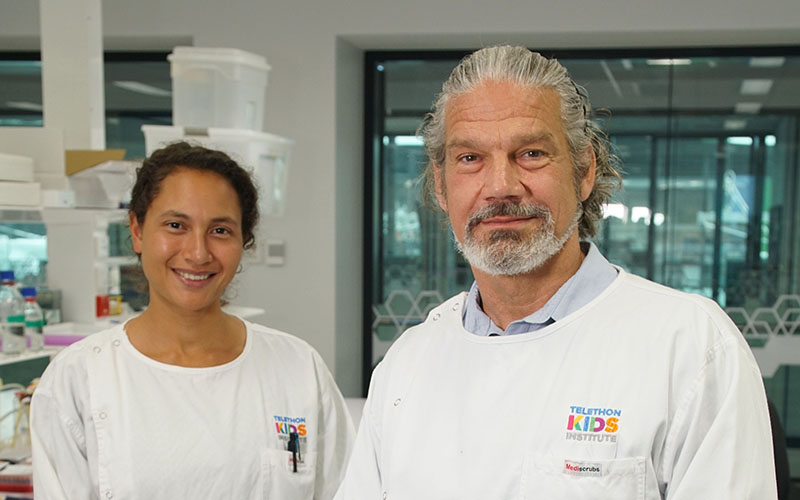
The Kids Research Institute Australia researchers working with a global team have identified the mechanism behind one of science’s most enduring mysteries.