
Search
Showing results for "early life"
There is limited empiric evidence on the coverage of pneumococcal conjugate vaccines (PCVs) required to generate substantial indirect protection. We investigate the association between population PCV coverage and indirect protection against invasive pneumococcal disease (IPD) and pneumonia hospitalisations among undervaccinated Australian children.
While most Australian children are vaccinated, delays in vaccination can put them at risk from preventable infections. Widespread mobile phone ownership in Australia could allow automated short message service (SMS) reminders to be used as a low-cost strategy to effectively 'nudge' parents towards vaccinating their children on time.
Influenza vaccination of children with medical comorbidities is critical due their increased risks for severe influenza disease. In Australia, hospitals are an avenue for influenza vaccine delivery to children with comorbidities but are not always effectively utilised. Qualitative enquiry sought to ascertainment the barriers and enablers for influenza vaccination recommendation, delivery, and recording of these children at Australian hospitals.

A The Kids Research Institute Australia spin-off company, Inspiring Holdings Pty Ltd (Inspiring), has been announced as winner of the Wesfarmers Wellbeing Platinum Award in the prestigious WA Innovator of the Year awards for their novel Universal Spacer System – a device which improves the delivery of inhaled dru
Children with medical comorbidities are at greater risk for severe influenza and poorer clinical outcomes. Despite recommendations and funding, influenza vaccine coverage remains inadequate in these children. We aimed to systematically review literature assessing interventions targeting influenza vaccine coverage in children with comorbidities and assess the impact on influenza vaccine coverage.
The main objective of the study is to establish a comprehensive register of congenital and acquired heart disease in WA with accurate re-classification of all cases through Princess Margart Hospital using international diagnostic codes.
In recent years, the interest in molecular diagnostic methods for the detection of many pathogens has grown substantially.
This project aims to empower local clinicians with skills and knowledge of using handheld echocardiography (HAND) that will allow for mobile service provision into remote Indigenous communities.
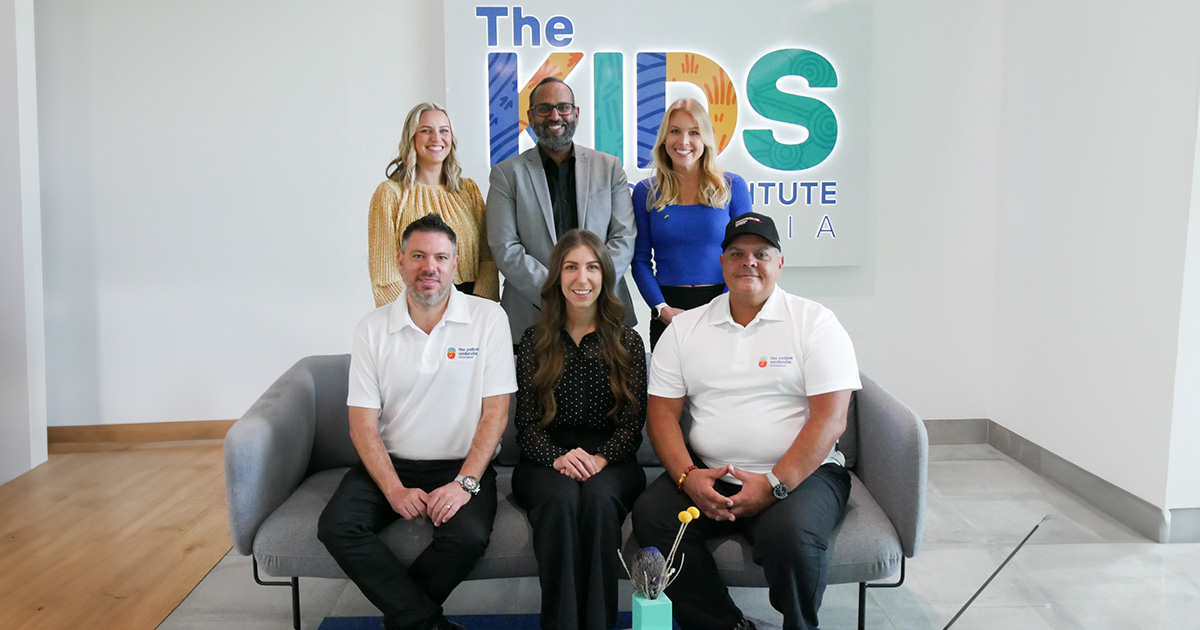
The Kids Research Institute Australia is deeply grateful to The Yellow Umbrella Foundation for their generous gift of $38,453 to help fund a new mental health initiative for parents and caregivers of children living with intellectual disability.
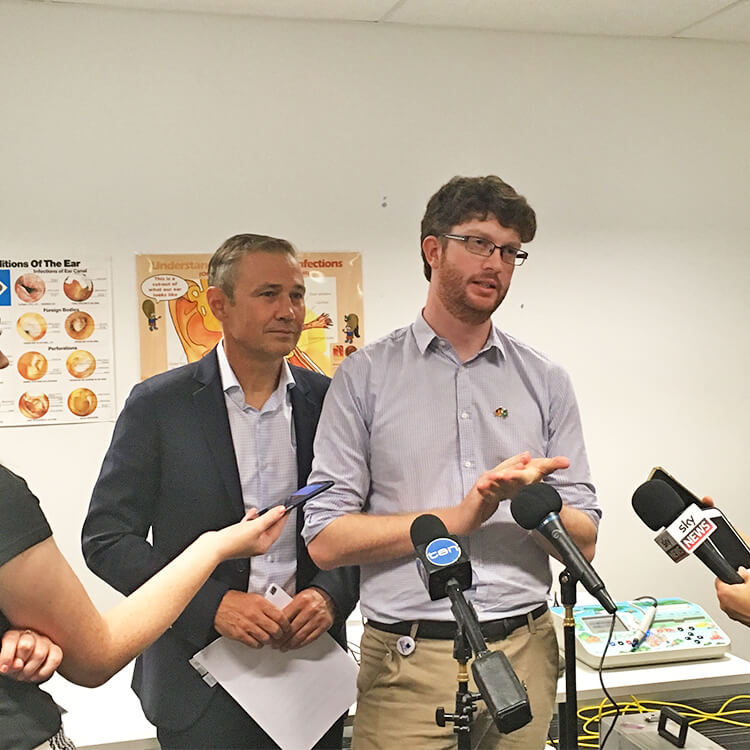
Wait times for Aboriginal children suffering ear infections could be reduced to less than four weeks thanks to a new The Kids Research Institute Australia research project