
Search
Showing results for "early life"

With Perth and WA’s south-west in the grip of several days of extreme heat, The Kids Research Institute Australia experts share their top tips on keeping your children safe in the hot weather.
Attention deficit hyperactivity disorder (ADHD) is the most commonly diagnosed childhood mental health disorder, affecting about 1 in 20 children. It can impact their behaviour, learning and social skills.
Young children diagnosed with autism experience high rates of co-occurring anxiety, with uncertainty-related concerns commonly reported. This randomized controlled trial investigated an 8-week parent-mediated group anxiety intervention, “Coping with Uncertainty in Everyday Situations” (CUES-Junior©).

The Kids Research Institute Australia researchers have been awarded $5.3 million in prestigious Investigator Grants from the National Health and Medical Research Council
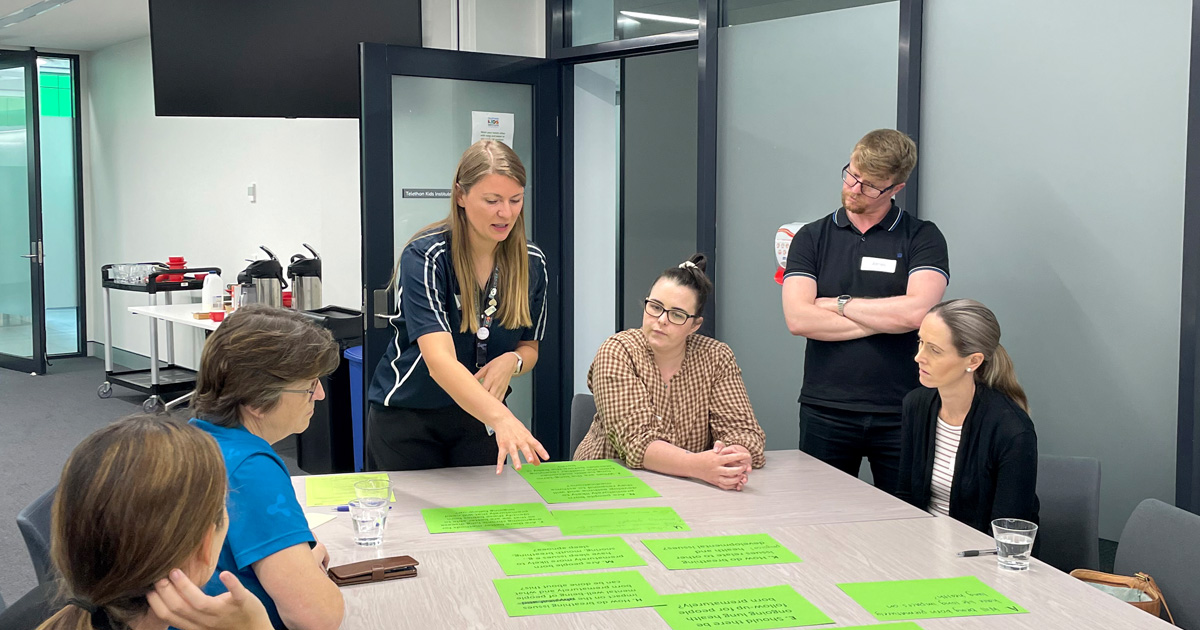
Respiratory disease remains one of the most significant complications of preterm birth, with lasting consequences.
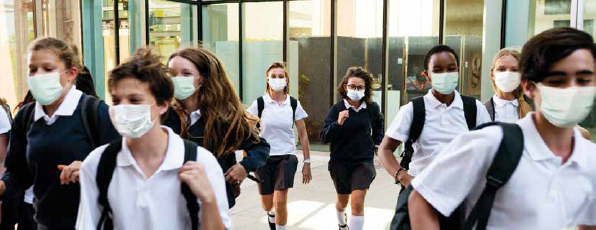
The Kids Research Institute Australia researchers went into 79 WA primary and secondary schools in 2020.
Mesothelioma is a cancer derived from mesothelial cells, most commonly arising from the pleura or the peritoneum. Immune checkpoint therapy (ICT) has shown survival benefit for pleural mesothelioma, but little is known about the response in peritoneal mesothelioma. Most preclinical mesothelioma models involve subcutaneous cancer cell implantation, which lacks the relevant tumour microenvironment of peritoneal mesothelioma and does not resemble the clinical presentation.

A surge in invasive group A streptococcal reports in Australia has prompted The Kids Research Institute Australia researchers to call for a unified national public health response, with cases tipped to increase.

Professor Helen Milroy AM has praised the WA government's additional funding for infant, child and adolescent mental health.
The Kids Research Institute Australia have shown that genetic variations that influence BMI and diabetes are similar to those in non-Aboriginal populations.