
Search
Showing results for "early life"
Inflammation and oxidative stress play a key role in the development of bronchopulmonary dysplasia (BPD), possibly contributing to persistent respiratory morbidity after preterm birth. We aimed to assess if inflammatory markers were elevated in exhaled breath condensate (EBC) of infants born very prematurely (< 32 weeks gestation) at 12-16 corrected months of age, and if increased levels were associated with BPD diagnosis and respiratory morbidity.

Eight The Kids Research Institute Australia-led projects will benefit from the latest round of WA Child Research Fund (WACRF) grants, announced this week by Medical Research Minister Stephen Dawson.
Multiple SARS-CoV-2 variants have emerged over the COVID-19 pandemic. The implications for COVID-19 severity in children worldwide are unclear. The objective was to determine whether the dominant circulating SARS-CoV-2 variants of concern (VOCs) were associated with differences in COVID-19 severity among hospitalized children.

Australia has nothing to lose by voting Yes, but First Nations people have everything to gain. And if the lives of First Nations people improve, we all win.
The largest GWAS meta-analysis conducted to date associating SNPs to venous thromboembolism in children and adolescents treated on childhood ALL protocols
The Australian National Healthy Skin Guideline summarises evidence-based treatment of impetigo, scabies and fungal infections in high burden settings
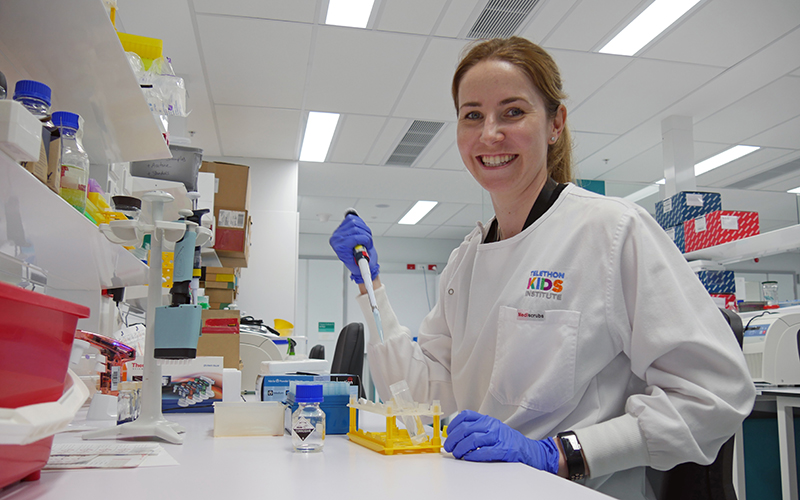
The Kids Research Institute Australia researchers will seek to better understand the relationship between antibodies and inflammation in people with multiple sclerosis (MS), thanks to a generous grant from MS Research Australia.
Acute rheumatic fever and rheumatic heart disease disproportionately affect Aboriginal and Torres Strait Islander people in Australia, with devastating impacts on morbidity, mortality and community wellbeing. Research suggests that general practitioners and primary care staff perceive insurmountable barriers to improving clinical outcomes, including the need for systemic change outside their scope of practice.
Staphylococcus aureus bloodstream (SAB) infection is a common and severe infectious disease, with a 90-day mortality of 15%-30%. Despite this, <3000 people have been randomized into clinical trials of treatments for SAB infection.
Antenatal inactivated influenza and pertussis-containing vaccines offer protection against severe respiratory infections for pregnant women and infants <6 months of age. Both vaccines are recommended in pregnancy; however, little is known about temporal or jurisdictional trends and predictors of uptake.