
Search
Showing results for "early life"
We currently have an exciting opportunity for a Director, Strategy and Innovation to join The Kids Research Institute Australia in Perth, WA.
Combination antibiotic therapy with an antitoxin agent, such as clindamycin, is included in some guidelines for severe, toxin-mediated Staphylococcus aureus infections. The evidence to support this practice is currently limited to in vitro, animal and observational human case-series data, with no previous randomized controlled trials (RCTs).
Human respiratory syncytial virus (RSV) is an important cause of acute respiratory infection with the most severe disease in the young and elderly. Non-pharmaceutical interventions and travel restrictions for controlling COVID-19 have impacted the circulation of most respiratory viruses including RSV globally, particularly in Australia, where during 2020 the normal winter epidemics were notably absent.
Invasive group A streptococcal (Strep A) infections occur when Streptococcus pyogenes, also known as beta-hemolytic group A Streptococcus, invades a normally sterile site in the body. This article provides guidelines for establishing surveillance for invasive Strep A infections. The primary objective of invasive Strep A surveillance is to monitor trends in rates of infection and determine the demographic and clinical characteristics of patients with laboratory-confirmed invasive Strep A infection, the age- and sex-specific incidence in the population of a defined geographic area, trends in risk factors, and the mortality rates and rates of nonfatal sequelae caused by invasive Strep A infections.
Despite several calls for greater inclusion of pregnant people in non-obstetric clinical trials, their systematic exclusion remains common practice. Excluding pregnant individuals from clinical trials may result in unintended consequences such as inadequate treatment of medical conditions in pregnancy, inappropriate dosing of medications, and investigational therapies being used off-label outside of the context of a clinical trial, risking adverse events in the absence of demonstrated efficacy.
Group A Streptococcus (Strep A) is responsible for a significant global health and economic burden. The recent prioritization of Strep A vaccine development by the World Health Organization has prompted global research activities and collaborations. To progress this prioritization, establishment of robust surveillance for Strep A to generate updated regional disease burden estimates and to establish platforms for future impact evaluation is essential.
Respiratory syncytial virus (RSV) reinfection in children is poorly understood. We examined the incidence, characteristics, and outcomes of hospital-attended RSV reinfections in children <16 years in Western Australia between 2012 and 2022.
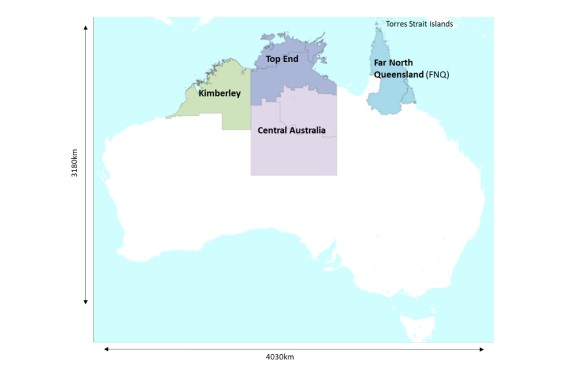
Explore new research on youth-onset diabetes at The Kids' Institute, uncovering insights to improve health outcomes for young patients in Northern Australia.
Antimicrobial resistance is a global health crisis, which has accelerated due to the overuse of antibiotics.
Understanding if ongoing inflammation in the lungs contributes to the poor lung health experienced by some children who were born preterm.