
Search
The WAACHS regional profiles look at all four volumes of results across the ATSIC regions of Western Australia.
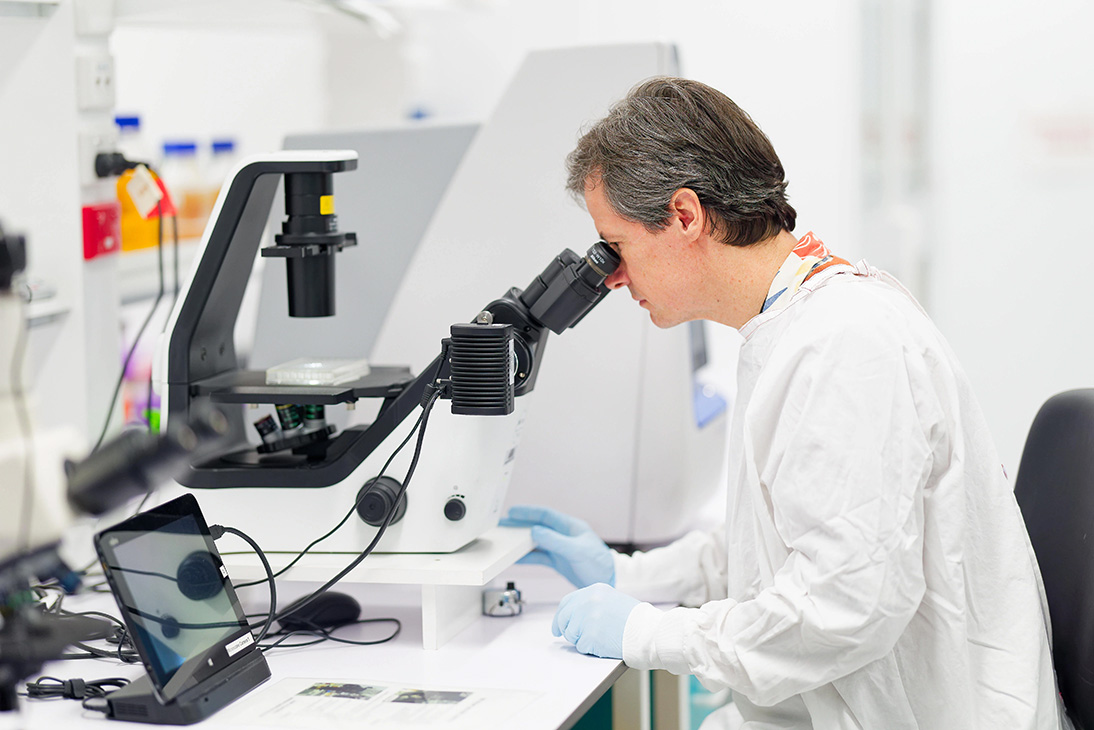
At The Kids Research Institute Australia, we've been thinking of the kids for 35 years. We are finding the answers to some of the biggest problems facing the health and wellbeing of children and families. Our Research Themes host defined programs of work where the Institute has clear strengths and capacity. Our overarching commitment to First Nations Health and Equity is embedded across all our work and features as a core consideration in each Research Theme. The Institute is committed to ending the disparity in health and wellbeing outcomes between Aboriginal and non-Aboriginal kids and families.
CREAHW is a program of intervention research focused on achieving sustainable change for the Aboriginal community & improving the lives of Aboriginal people.
The social and emotional wellbeing of Aboriginal children and young people
The aim of establishing a local presence is based upon an intention to be by invitation considered as part of the Kimberley group of organisations as well ...
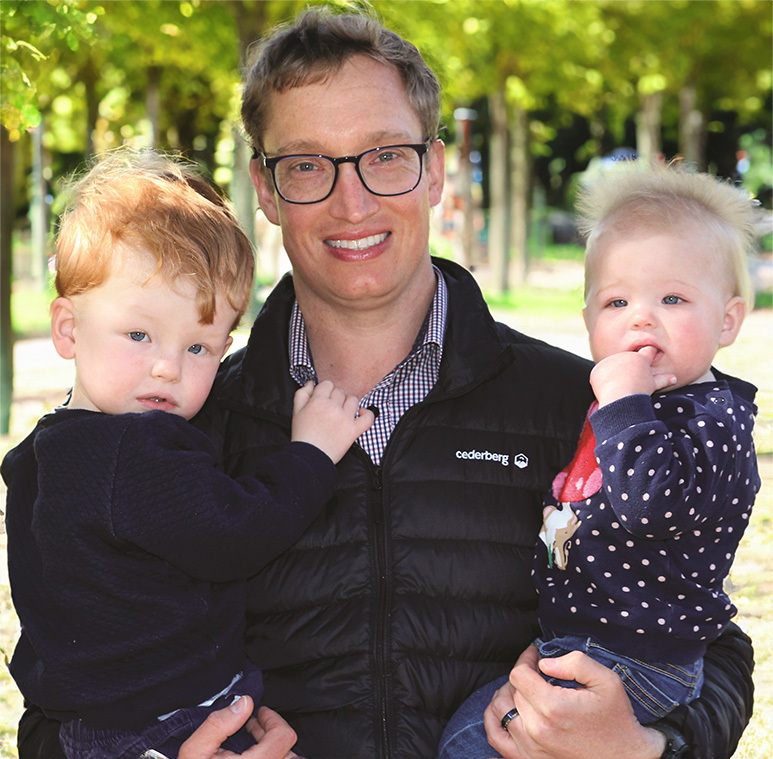
New dads can feel undervalued and face significant health and mental health risks following the birth of a child, according to new research that has prompted a rethink about how to address the often-unmet needs of fathers.
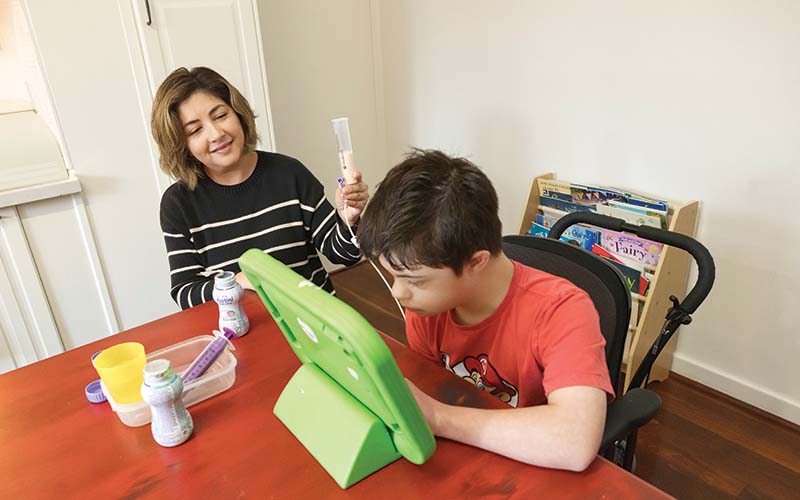
For thousands of children around Australia with intellectual and other disabilities, the process of eating can be traumatic, posing challenges that veer from uncomfortable to life threatening.
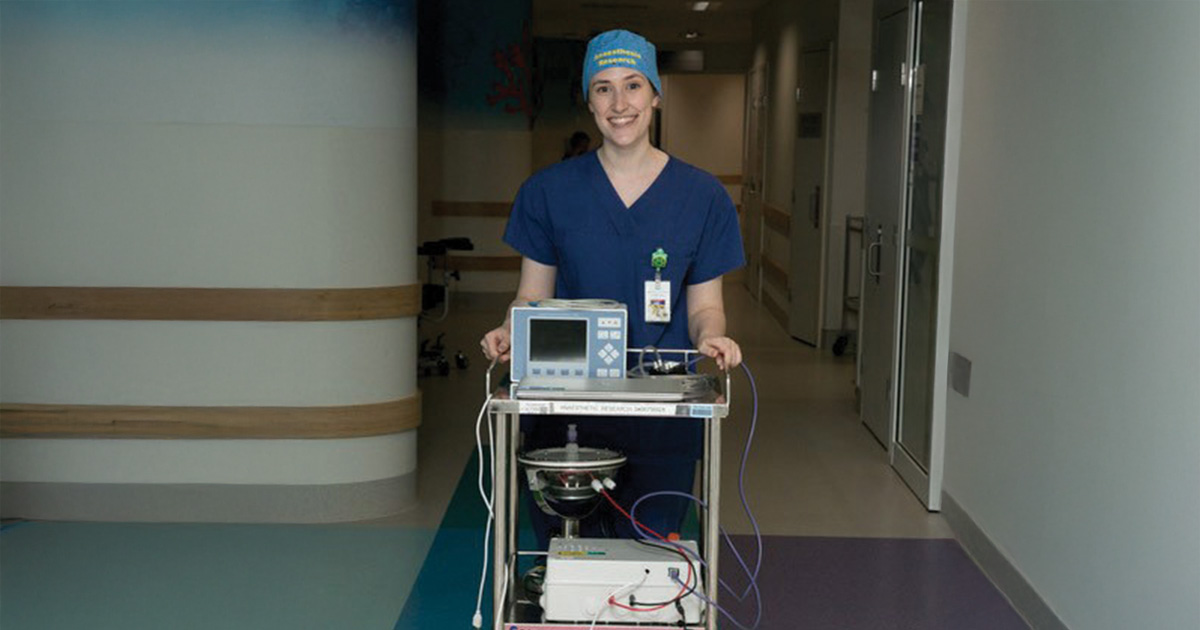
When kids are having surgery, the most common problem that can occur during anaesthesia is a respiratory adverse event.
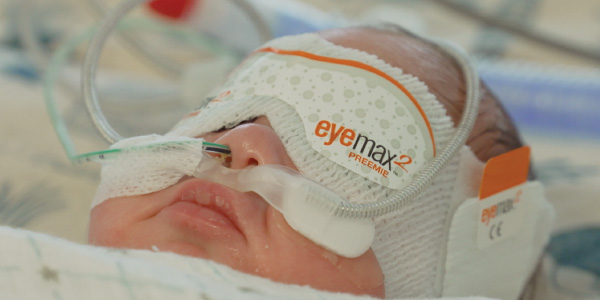
A simple set of eye masks and ear plugs – an inexpensive solution explored in a successful pilot study by The Kids Research Institute Australia, together with the Child and Adolescent Health Service – could hold the key to better outcomes for our tiniest bubs. Now, a nationwide clinical trial is testing the idea

Autism researchers at the The Kids Research Institute Australia have found the first evidence that therapy in infancy can reduce the likelihood of a clinical autism diagnosis in early childhood.