
Search
Showing results for "early life"
Parainfluenza viruses are significant contributors to childhood respiratory illness worldwide, although detailed epidemiological studies are lacking. Few recent Australian studies have investigated serotype-specific PIV epidemiology, and there is a paucity of southern hemisphere PIV reports. We report age-stratified PIV hospitalisation rates and a mathematical model of PIV seasonality and dynamics in Western Australia (WA).
There are no well-established biomedical treatments for the core symptoms of autism spectrum disorder (ASD). A small number of studies suggest that repetitive transcranial magnetic stimulation (rTMS), a non-invasive brain stimulation technique, may improve clinical and cognitive outcomes in ASD.
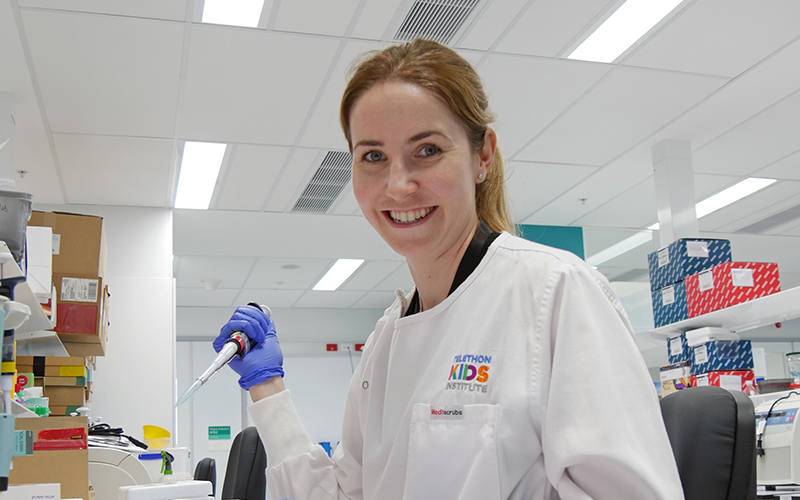
A The Kids Research Institute Australia researcher will work to better understand the immune system mechanisms that cause multiple sclerosis, thanks to a new grant from MS Australia.

Hip Hop 2 SToP video It didn’t take long for shyness to make way for excitement when a group of children from Dampier Peninsula communities got
Influenza is the most common vaccine-preventable disease in Australia, causing significant morbidity and mortality. We assessed the burden of influenza across all ages in terms of influenza-associated mortality and hospitalizations using national mortality, hospital-discharge and influenza surveillance data.
The search for clinically effective antivirals against the severe acute respiratory syndrome coronavirus-2 (SARS-CoV-2) is ongoing. Repurposing of drugs licensed for non–coronavirus disease 2019 (COVID-19) indications has been extensively investigated in laboratory models and in clinical studies with mixed results.
Pineoblastoma is a rare brain tumor usually diagnosed in children. Given its rarity, no pineoblastoma-specific trials have been conducted. Studies have included pineoblastoma accruing for other embryonal tumors over the past 30 years.
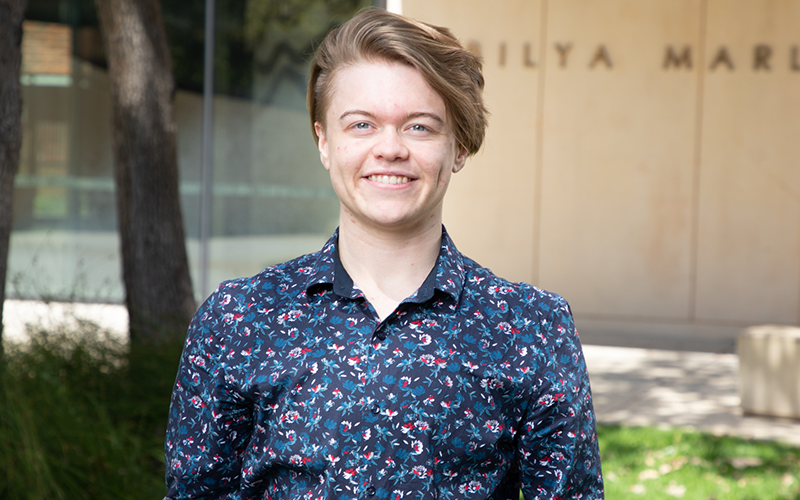
Youth mental health researcher named joint winner of the Shell Aboriginal STEM Student of the Year category at the 2022 Western Australian Premier’s Science Awards.
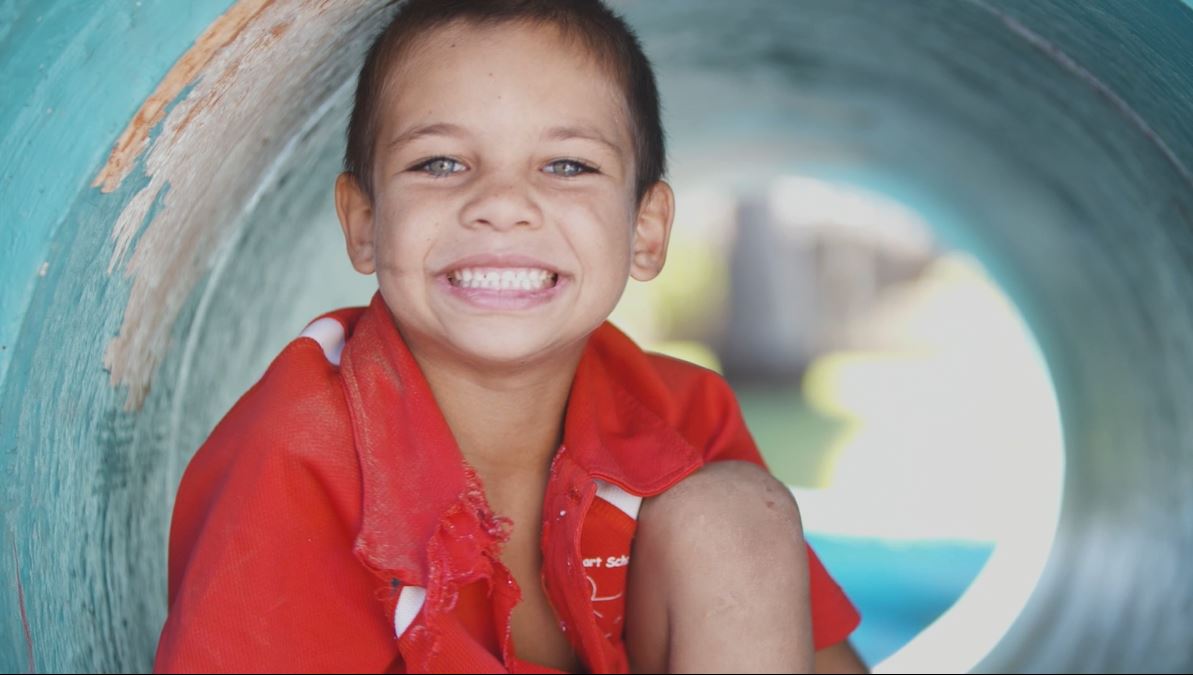
Researchers from The Kids Research Institute Australia are joining forces with international experts in acute rheumatic fever (ARF) and rheumatic heart disease (RHD) to transform the diagnosis of these diseases thanks to an $US8 million grant from the Leducq Foundation.
The incidence of respiratory syncytial virus (RSV) in adults is inadequately defined and the impact of SARS-CoV-2-related non-pharmaceutical interventions (NPIs) is underexplored. Using laboratory data, we described the detection rate of RSV in adults ≥16 years in Western Australia (WA) between 2017 and 2023.