
Search
Showing results for "early life"
Skin concerns are frequent among urban-living Aboriginal children, yet specialist dermatology consultations are limited with studies highlighting the need for improved cultural security. Through newly established paediatric dermatology clinics at two urban Aboriginal Community Controlled Health Organisations (ACCHOs), we aimed to describe clinic and patient data, including disease frequencies and associations, to inform dermatology service provision and advocacy.
HIV postexposure prophylaxis (PEP) following child sexual assault (CSA) is recommended in select cases. High rates of poor adherence to PEP are reported. We evaluated adherence to the recommended management of children following CSA at the tertiary pediatric facility in Western Australia and compared our approach with international guidelines.
Despite increasing urbanisation, little is known about skin health for urban-living Aboriginal children and young people (CYP, aged <18 years). This study aimed to investigate the primary care burden and clinical characteristics of skin conditions in this cohort.
Remote Aboriginal communities in Australia are located on traditional lands holding deep cultural significance and meaning for residents. However, systemic inequity rooted in colonisation has driven persistent housing and health disparities, with inadequate environmental health conditions within homes and communities a prominent example.
Aboriginal children and families contend with higher rates of preventable infectious diseases that can be attributed to their immediate living environment. The environments in which children spend most of their time are their homes and schools. We aimed to understand the opportunities in the school setting to support student skin health and wellbeing through environmental health activities, how these activities were completed, and the barriers to their implementation.
In Perth, The Kids Research Institute Australia is spearheading global efforts to tackle this insidious bacterium and reduce its impact on kids’ health.
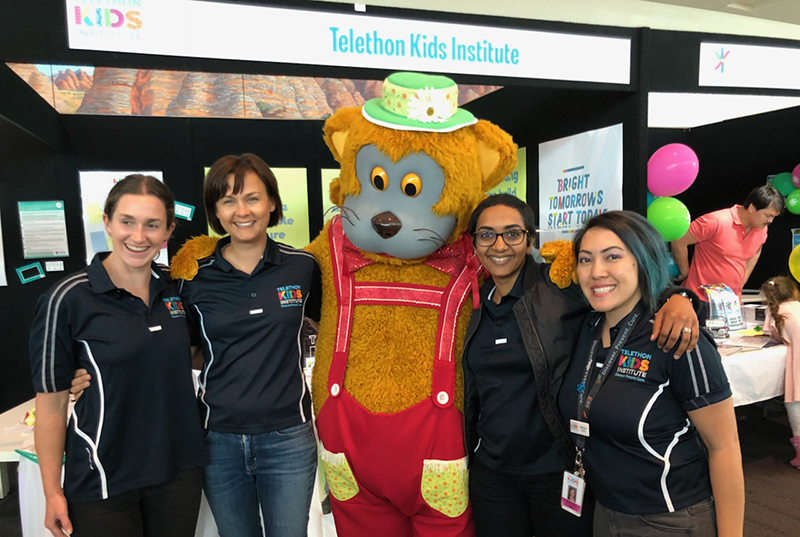
Huge congratulations to Telethon on another record-breaking year, with generous West Australians donating just over $38 million to help sick kids.
Research data from more than one million Australian and Welsh children will be examined to help better understand how the built environment affects child health and obesity, as part of an international research project to be co-led by The Kids Research Institute Australia.