
Search
Showing results for "early life"
The Missing Piece Surveillance Study is a prospective surveillance study to determine the concurrent burden of skin and throat infections in children, from two remote communities in Northern Australia.
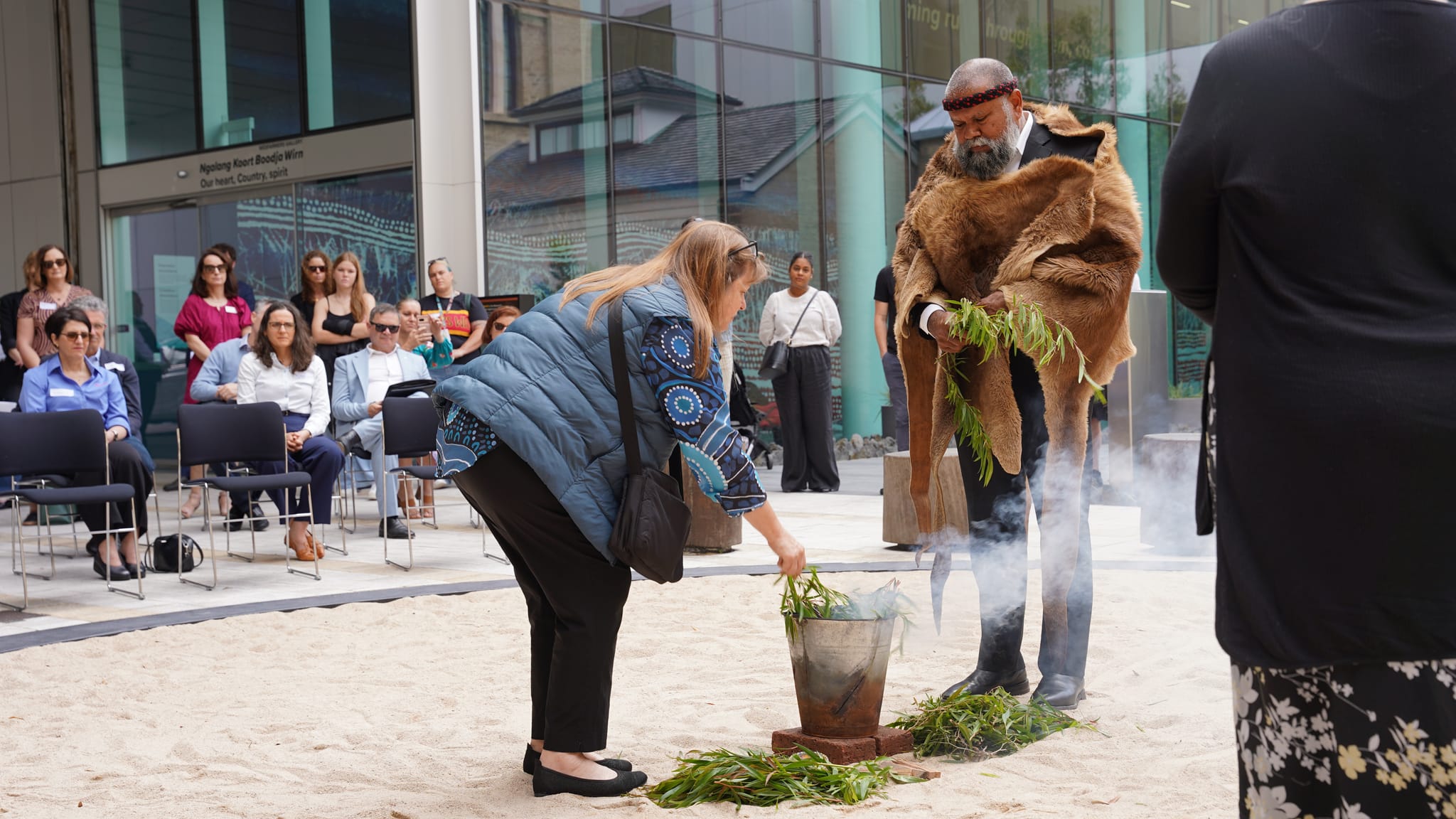
Find the preliminary findings from our cultural safety project here
Children in out-of-home care participate in less organised sport than children from other household structures, potentially reducing opportunities for improvements in social, developmental, and health outcomes. Despite this, little is known about barriers and facilitators of sport participation for children in care. We aimed to explore carers' perspectives on the influences on children in care's participation and experiences in organised sport.
Participation in sport is associated with a range of physical, psychological, and social benefits. However, children in out-of-home care face complex barriers to sport participation, with lower participation rates than children in other household arrangements.
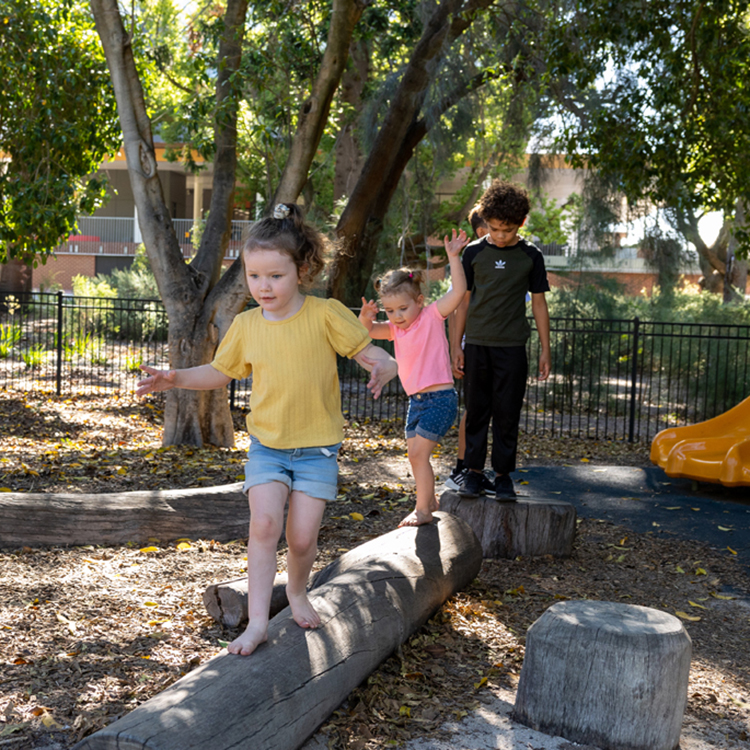
PAHL researchers use their expertise in motivation, behaviour change, resilience, communication, teamwork, confidence, and leadership to develop programs and services that improve people’s physical and mental health.
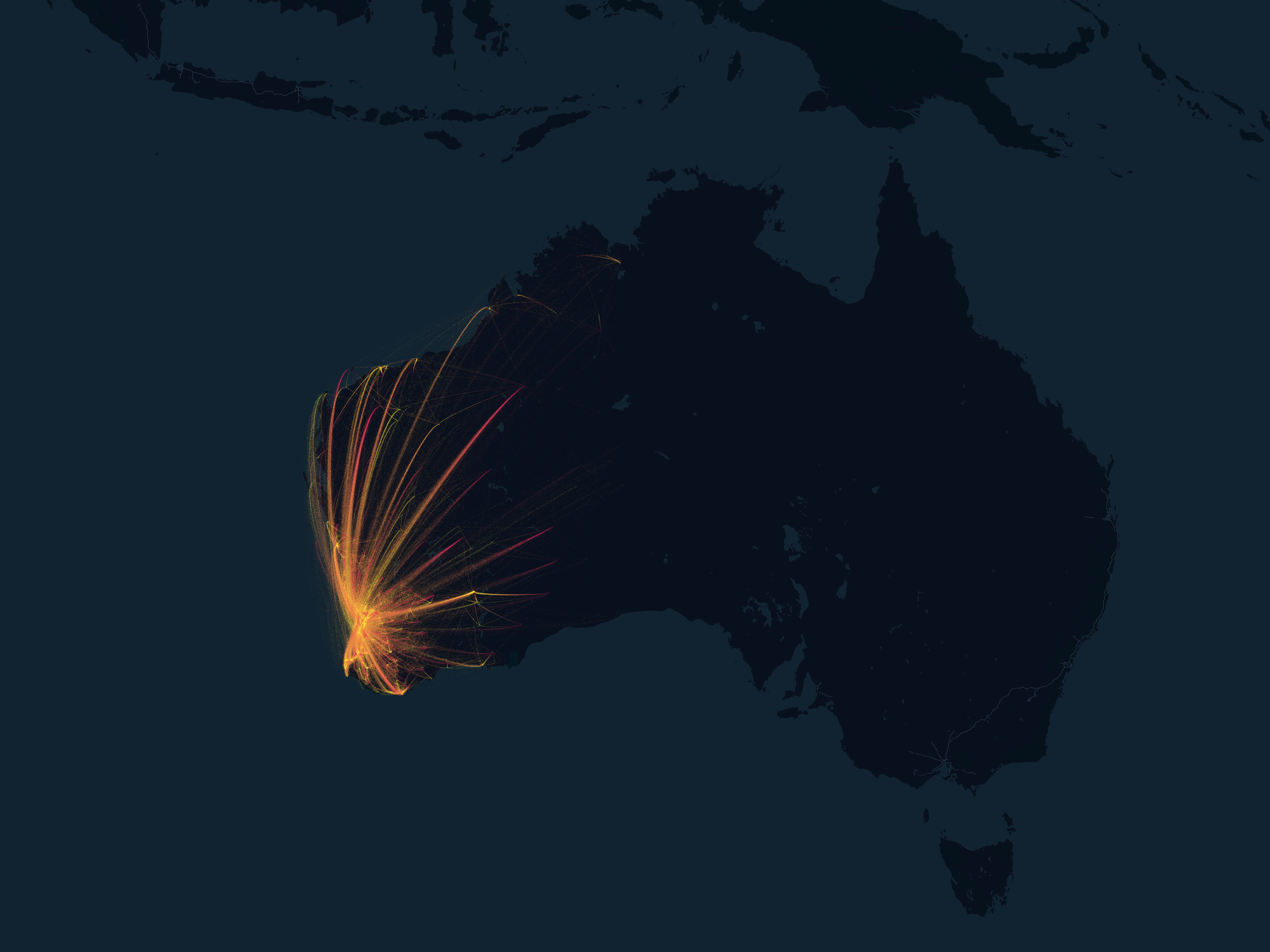
Researchers have developed a new model for simulating covid-19 outbreaks in Western Australia.
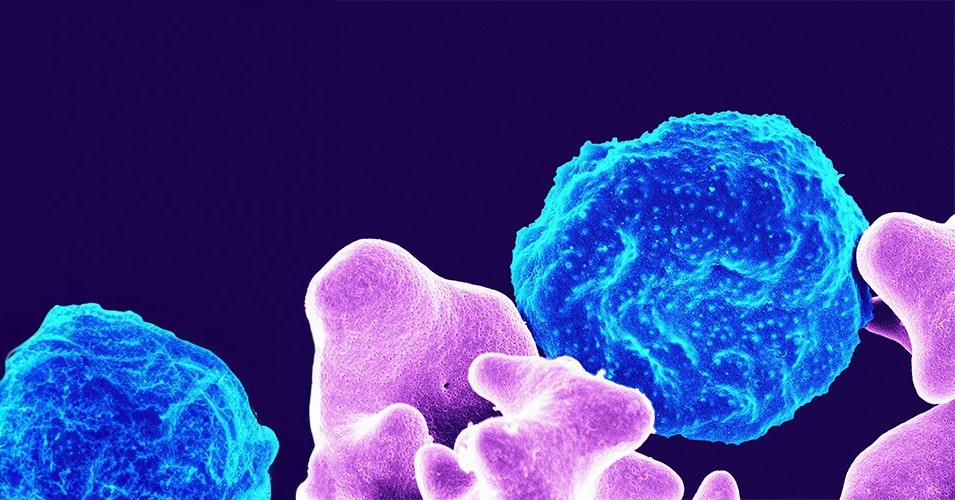
The Global Disease Modelling group informs development and implementation of drugs, medical treatments and non-medical interventions to effectively tackle disease. They build mathematical models of diseases, designed to take into account the complex constellation of interactions between pathogens, humans, diseases, the environment and entire healthcare systems.
Remote Aboriginal communities in Australia are located on traditional lands holding deep cultural significance and meaning for residents. However, systemic inequity rooted in colonisation has driven persistent housing and health disparities, with inadequate environmental health conditions within homes and communities a prominent example.
Despite increasing urbanisation, little is known about skin health for urban-living Aboriginal children and young people (CYP, aged <18 years). This study aimed to investigate the primary care burden and clinical characteristics of skin conditions in this cohort.
Aboriginal children and families contend with higher rates of preventable infectious diseases that can be attributed to their immediate living environment. The environments in which children spend most of their time are their homes and schools. We aimed to understand the opportunities in the school setting to support student skin health and wellbeing through environmental health activities, how these activities were completed, and the barriers to their implementation.