
Search
Showing results for "early life"
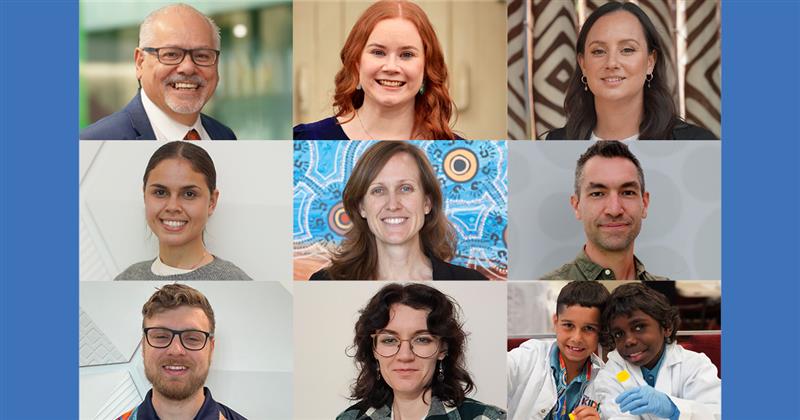
Eight outstanding researchers from The Kids Research Institute Australia and the Institute-led Broome STEM Festival are finalists in the 2025 Premier’s Science Awards.

Personalised medicine for childhood cancers in West Australia is a step closer thanks to the Zero Childhood Cancer program’s state clinical trial launched today

Professor Donna Cross and her team at The Kids Research Institute Australia have challenged and overturned damaging attitudes that saw bullying tolerated in childhood.

The latest publications and resources from the END RHD CRE Team
Rheumatic heart disease, a major cause of morbidity and mortality in low- and middle-income countries, results from acute rheumatic fever (ARF), for which no diagnostic test currently exists. The ARF Diagnosis Collaborative Network (ARC Network) was established to address this gap by recruiting a rigorously phenotyped, globally representative cohort of children and adolescents with ARF and controls to support biomarker discovery.
Congenital cytomegalovirus (cCMV) is a common infection at birth with the potential to cause significant and permanent morbidity, most commonly hearing loss. Targeted cCMV testing programmes use hearing loss as an indicator of an infant being at high risk of the infection and thereby can 'target' or focus testing on those at greatest risk. Australian and International guidelines recommend that high-risk infants be offered cCMV testing, yet across Australia, a formal testing system does not exist.
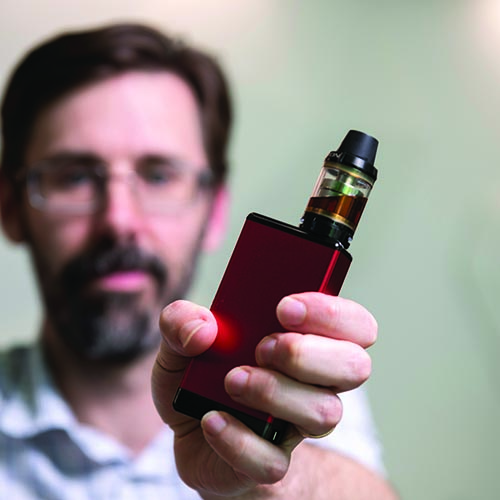
Research into the potential health impacts of vaping is starting to back up concerns that electronic cigarettes (e-cigarettes) are not as benign as many people think.
The Australian Therapeutic Goods Administration approved the use of nirsevimab, a long-acting monoclonal antibody for the prevention of Respiratory Syncytial Virus (RSV), in November 2023. Western Australia (WA) implemented a combination of nirsevimab administration strategies designed to protect all infants starting in April 2024, before the epidemic season. We developed a dynamic transmission model to predict the impact of WA's RSV immunisation program on infant hospitalisations.
From 1 January 2020 to 31 December 2021, thirty-eight institutions across Australia submitted data to the Australian Group on Antimicrobial Resistance (AGAR) from patients aged < 18 years (AGAR-Kids). Over the two years, 1,679 isolates were reported from 1,611 patients. This AGAR-Kids report aims to describe the population of children and adolescents with bacteraemia reported to AGAR and the proportion of resistant isolates.
Streptococcus dysgalactiae subspecies equisimilis and Streptococcus pyogenes share skin and throat niches with extensive genomic homology and horizontal gene transfer possibly underlying shared disease phenotypes.