
Search
Showing results for "early life"
Pneumonia is the leading cause of death in young children globally and is prevalent in the Papua New Guinea highlands. We investigated clinical predictors of hypoxic pneumonia to inform local treatment guidelines in this resource-limited setting.
W. Joost Ben Lizeth Rachael Tao Omar Lesterhuis Wylie Orozco Morales Zemek Wang Elaskalani BSc PhD BSc, MSc, PhD BSc (Hons), PhD PhD BSc, MSc, PhD
From 1 January 2020 to 31 December 2021, thirty-eight institutions across Australia submitted data to the Australian Group on Antimicrobial Resistance (AGAR) from patients aged < 18 years (AGAR-Kids). Over the two years, 1,679 isolates were reported from 1,611 patients. This AGAR-Kids report aims to describe the population of children and adolescents with bacteraemia reported to AGAR and the proportion of resistant isolates.
To evaluate the suitability of the Global Lung Function Initiative (GLI)-2012 other/mixed and GLI-2022 global reference equations for evaluating the respiratory capacity of First Nations Australians.
Pneumococcal conjugate vaccines (PCV) reduced the risk of respiratory syncytial virus (RSV) in a randomized clinical trial. We aimed to assess the real-world effectiveness of PCV on RSV-hospitalizations among Western Australian infants.
The World Health Organization published the preferred product characteristics for a Group A Streptococcus (Strep A) vaccine in 2018. Based on these parameters for the age of vaccination, vaccine efficacy, duration of protection from vaccine-derived immunity, and vaccination coverage, we developed a static cohort model to estimate the projected health impact of Strep A vaccination at the global, regional, and national levels and by country-income category.
Acute respiratory infections (ARI) are the most common cause of paediatric hospitalisation. There is an urgent need to address ongoing critical knowledge gaps in ARI management. The Pragmatic Adaptive Trial for Respiratory Infections in Children (PATRIC) Clinical Registry will evaluate current treatments and outcomes for ARI in a variety of paediatric patient groups.
We describe the development and evaluation of a protocol for digital image collection by the non-professional photographer in a remote setting research trial
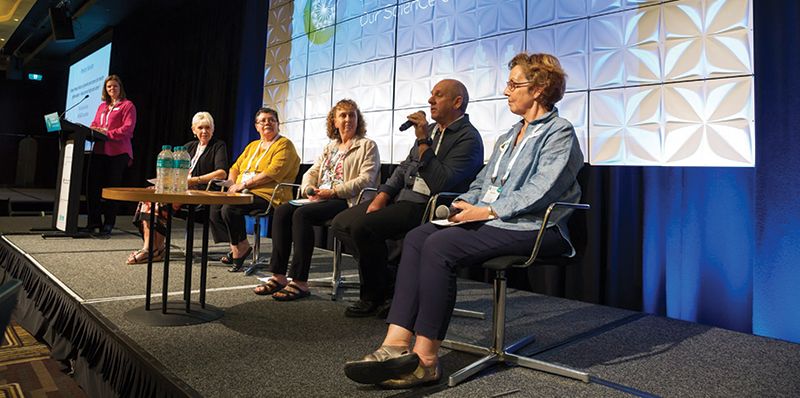
Held every two years, the Australasian FASD Conference is a significant and unifying event for those in the Fetal Alcohol Spectrum Disorder sector.

A new study that combines data from over 20 million births has found that a caesarean section delivery is associated with autism spectrum disorder (autism) and attention-deficit hyperactivity disorder (ADHD).