
Search
Showing results for "early life"
There was evidence of extensive transmission of group A Streptococcus both within households and across the community
Given the ongoing mortality and morbidity from GAS infections, we must address more effectively the treatment and prevention of GAS impetigo and pharyngitis
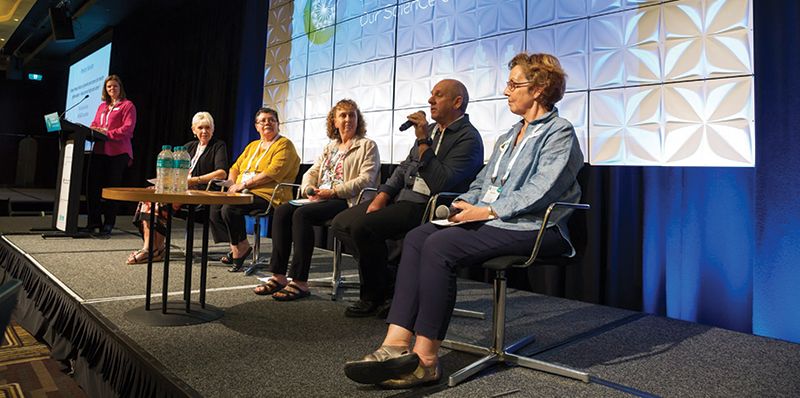
Held every two years, the Australasian FASD Conference is a significant and unifying event for those in the Fetal Alcohol Spectrum Disorder sector.
A new study that combines data from over 20 million births has found that a caesarean section delivery is associated with autism spectrum disorder (autism) and attention-deficit hyperactivity disorder (ADHD).
A study by The Kids has found children with a parent who has gone to prison are significantly more likely to have poor development outcomes.
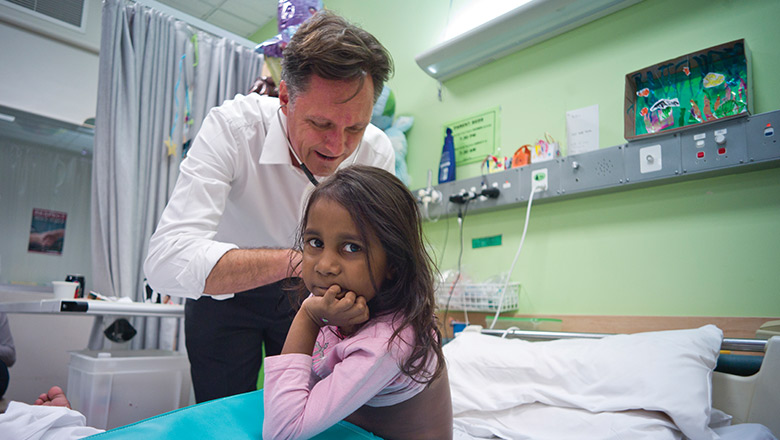
The Kids Research Institute Australia is spearheading a trans-Tasman effort to develop a vaccine for rheumatic fever.
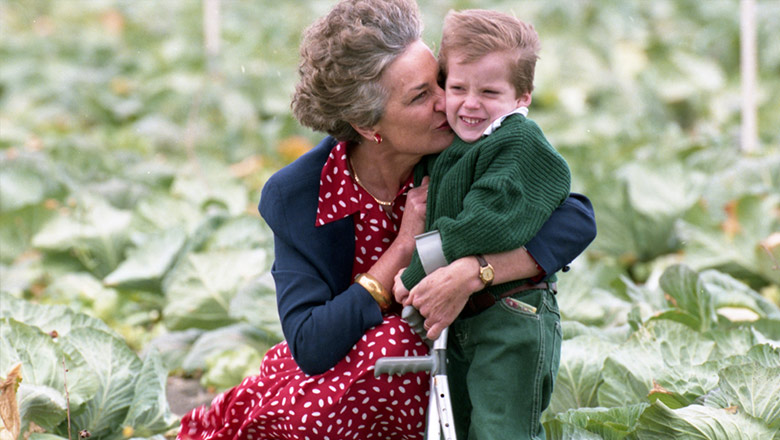
The Kids successfully pushed for the mandatory fortification of flour in Aus with the vitamin folic acid for the primary prevention of neural tube defects

The impact of colonisation, genocide, and continuing discriminatory policies have created a context for ongoing disadvantage, trauma, and high rates of mental health issues for Aboriginal and Torres Strait Islander young people.
This project explores the mental health and support needs of Australians with complex experiences of gender-affirmation.
From 1 January 2020 to 31 December 2021, thirty-eight institutions across Australia submitted data to the Australian Group on Antimicrobial Resistance (AGAR) from patients aged < 18 years (AGAR-Kids). Over the two years, 1,679 isolates were reported from 1,611 patients. This AGAR-Kids report aims to describe the population of children and adolescents with bacteraemia reported to AGAR and the proportion of resistant isolates.