
Search
Showing results for "early life"
Rising proportions of antimicrobial resistance (AMR) have been observed in both Staphylococcus aureus and Enterococcus spp. isolates.
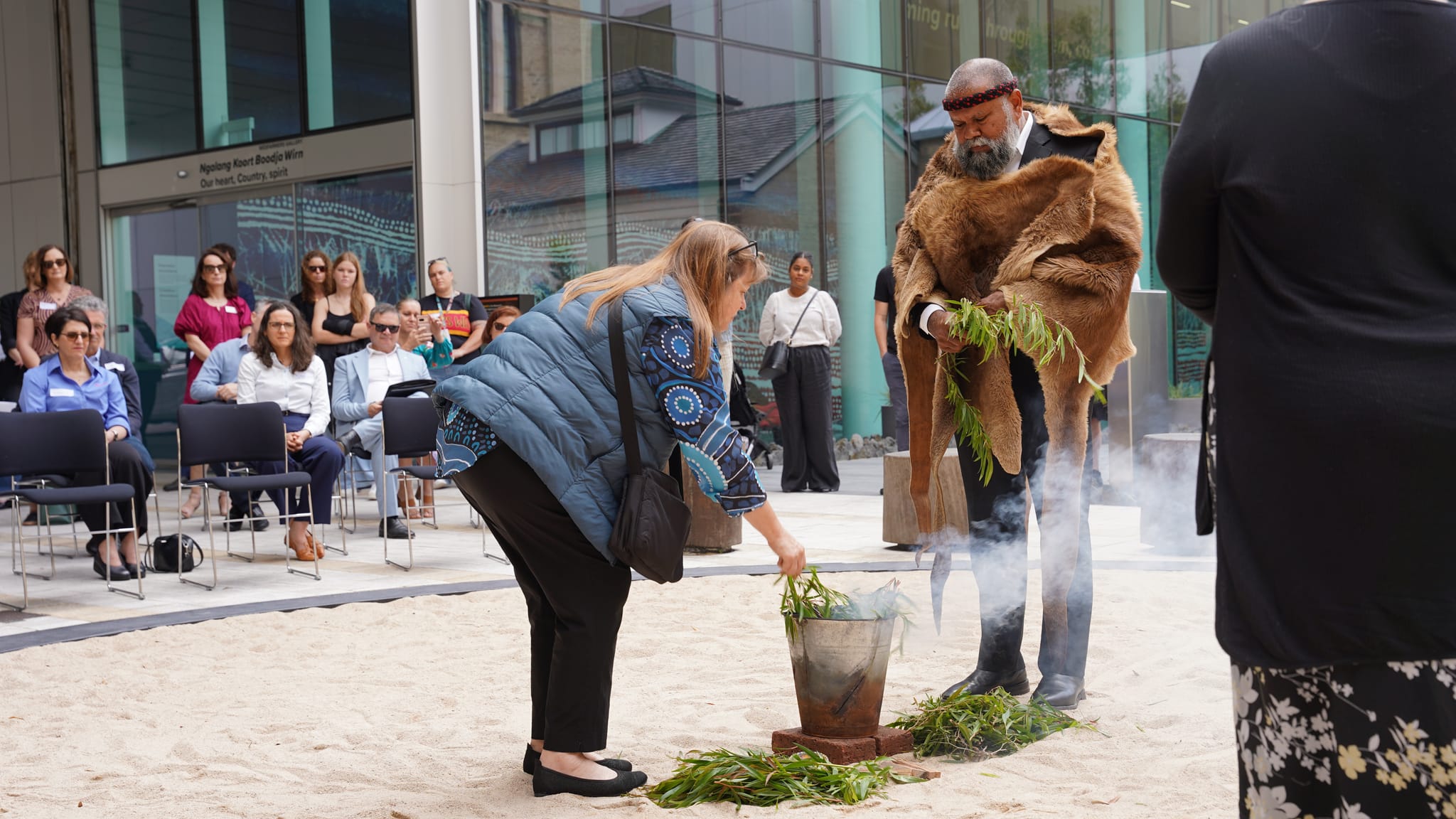
Find the preliminary findings from our cultural safety project here
The Missing Piece Surveillance Study is a prospective surveillance study to determine the concurrent burden of skin and throat infections in children, from two remote communities in Northern Australia.
Streptococcus pyogenes (also known as group A Streptococcus , Strep A) is an obligate human pathogen with significant global morbidity and mortality. Transmission is believed to occur primarily between individuals via respiratory droplets, but knowledge about other potential sources of transmission via aerosols or the environment is limited. Such knowledge is required to design optimal interventions to control transmission, particularly in endemic settings.
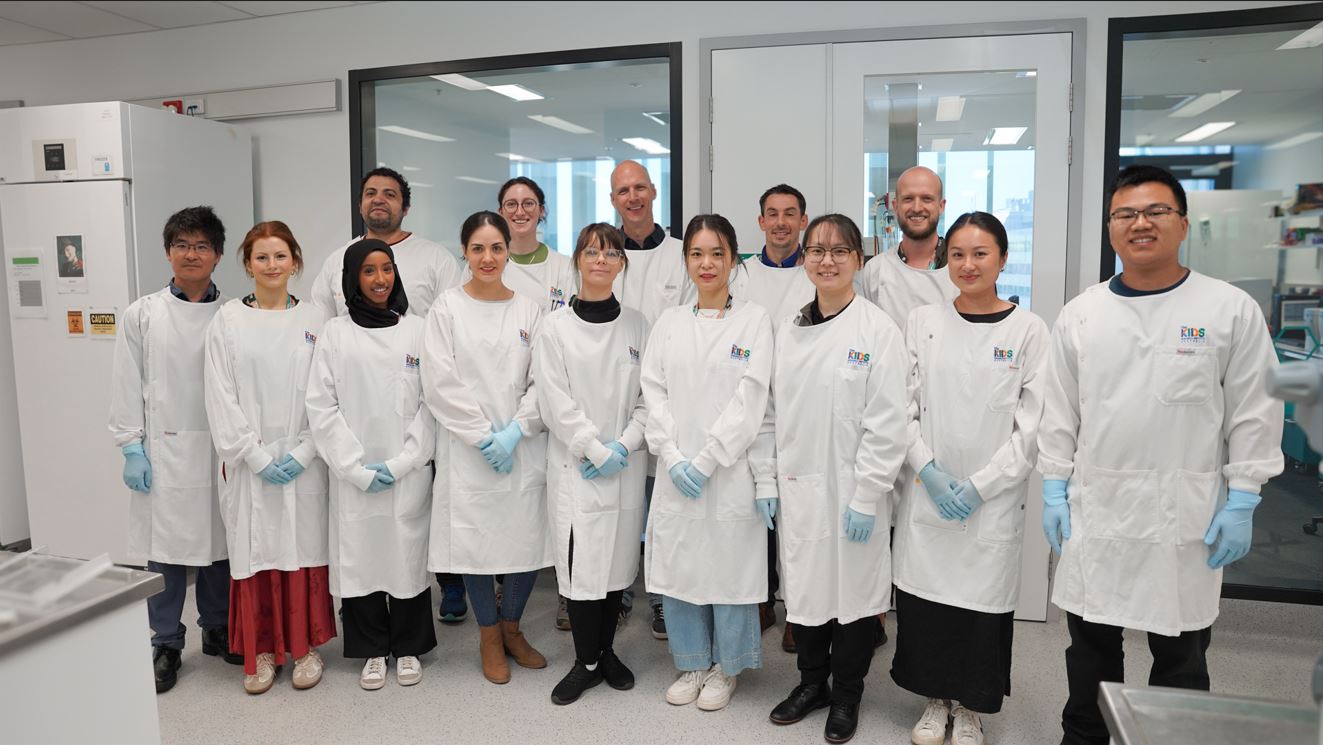
We aim to discover and develop safer and more effective treatments by doing inventive and rigorous research to improve outcomes for kids with cancer.
Meet the ASAVI team
Asha Jonathan Marianne Bowen Carapetis AM Mullane BA MBBS DCH FRACP PhD GAICD FAHMS OAM AM MBBS FRACP FAFPHM PhD FAHMS BSc (OT) Head, Healthy Skin

The END RHD CRE will undertake a number of projects across several disciplines of research including epidemiology, biomedical sciences; implementation and translation; and understanding the RHD community with a special focus on documenting the experiences of those living with the disease.
Trans Pathways is set to receive an update ahead of the ten-year anniversary of the release of this seminal study from The Kids Research Institute Australia.
The bone marrow microenvironment plays a key role in leukemia progression, but its molecular complexity in pre-B cell acute lymphoblastic leukemia (B-ALL), the most common cancer in children, remains poorly understood. To gain further insight, we used single-cell RNA sequencing to characterize the kinetics of the murine BMM during B-ALL progression.