
Search
Showing results for "early life"
Benzathine penicillin G is the cornerstone of secondary prophylaxis to prevent Streptococcus pyogenes infections, which precede acute rheumatic fever.
The transmission of Group A Streptococcus (Strep A) through respiratory droplets has been considered the dominant mode of transmission to date; however, little is known about the relative contribution of other modes of transmission. This review systematically summarises the contemporary evidence regarding the transmission of Strep A.
Although Streptococcus pyogenes (Strep A) is the sixth-most common infectious disease globally, its transmission within the household remains an understudied driver of infection. We undertook a systematic review to better understand the transmission of Strep A among people within the home, while highlighting opportunities for prevention.
For millennia, Aboriginal people's ways of knowing, doing and being were shared through art, song, and dance. Colonisation silenced these ways, affecting loss of self-determination for Aboriginal people. Over the past decade in Australia, hip-hop projects have become culturally appropriate approaches for health promotion.
Group A streptococcus (GAS) infections, such as pharyngitis and impetigo, can lead to rheumatic fever and rheumatic heart disease (RHD). Australian Aboriginal and Torres Strait Islander populations experience high rates of RHD and GAS skin infection, yet rates of GAS pharyngitis are unclear.
Since its inception in 2005, the US President's Malaria Initiative (PMI) has played a major role in the reductions in malaria morbidity and mortality observed across Africa. With the status of PMI funding and operations currently uncertain, we aimed to quantify the impact that a fully functioning PMI would have on malaria cases and deaths in Africa during 2025.
Malaria imposes a significant global health burden and remains a major cause of child mortality in sub-Saharan Africa. In many countries, malaria transmission varies seasonally. The use of seasonally-deployed interventions is expanding, and the effectiveness of these control measures hinges on quantitative and geographically-specific characterisations of malaria seasonality.

Our Child Health Analytics Team uses cutting-edge technologies to better understand how and why the health and wellbeing of children varies from place to place. We develop innovative geospatial methods that can harness large, complex datasets to pinpoint hotspots of elevated risk, evaluate change through time, and explore underlying drivers.
Find out more about our research into Aboriginal social and emotional wellbeing
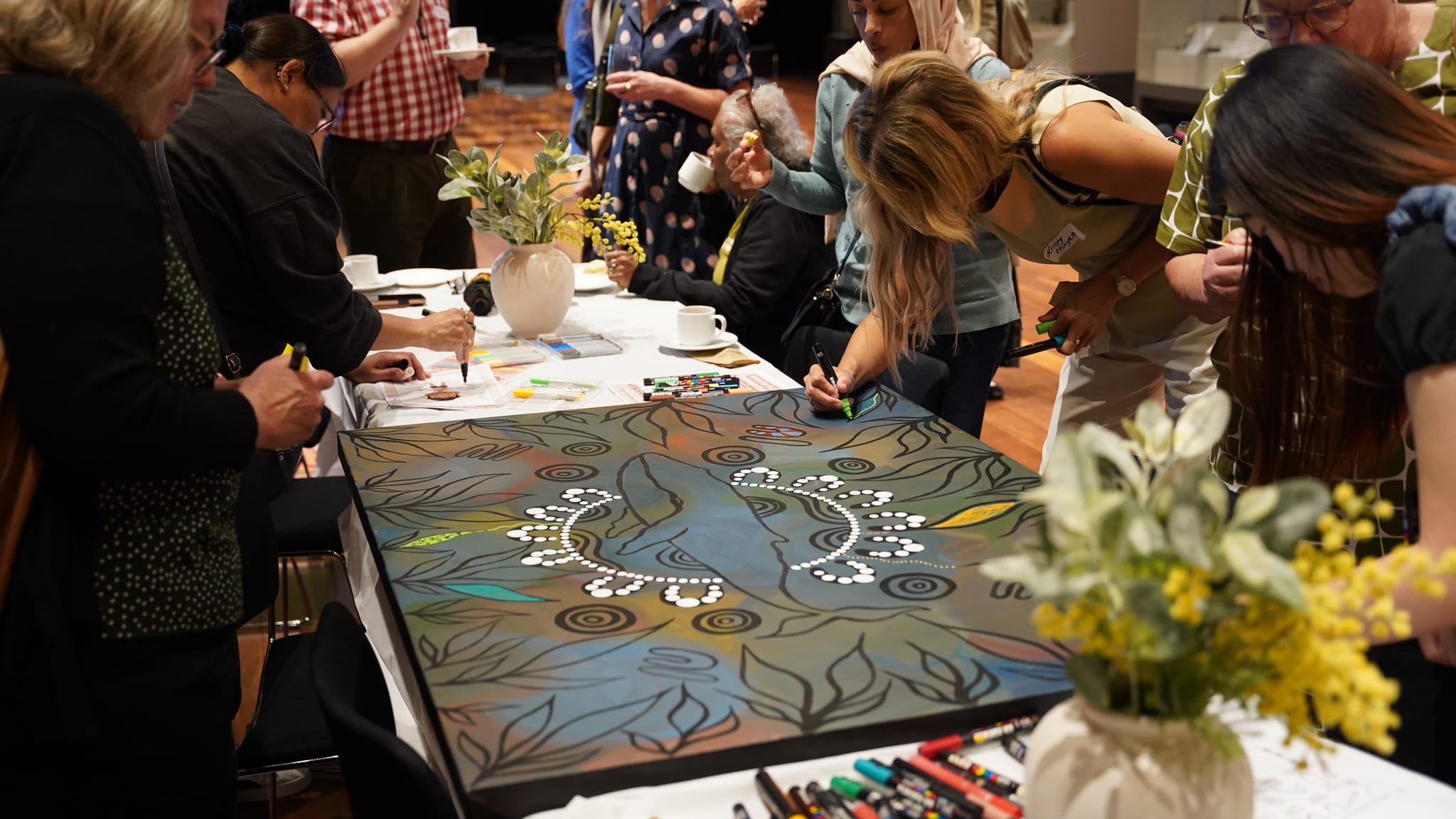
This project aims to improve the cultural safety and effectiveness of mainstream mental health services for Aboriginal and Torres Strait Islander children and families.