
Search
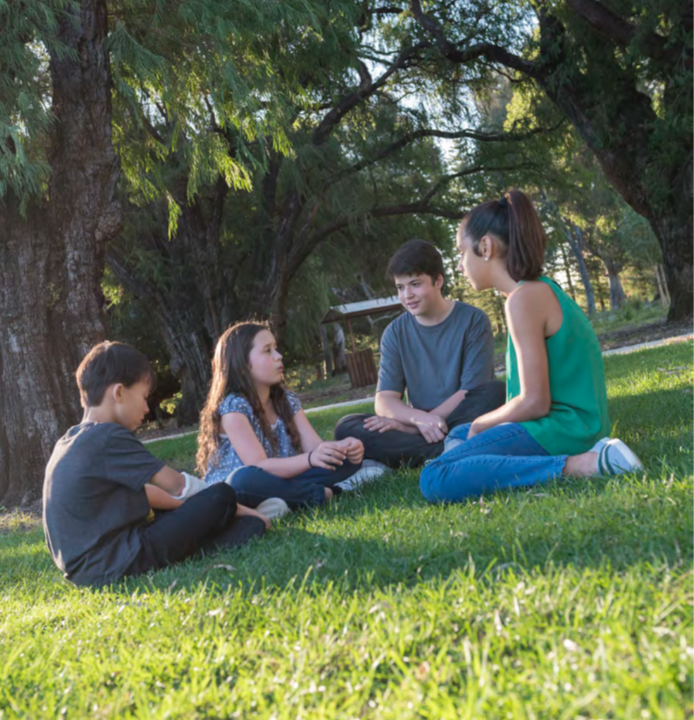
Can young people experiencing homelessness be part of the solution in suicide prevention? That is the question youth mental health researchers at Embrace at The Kids Research Institute Australia will investigate.
A non-progressive motor disability due to damage of the developing brain, this is the most common physical disability in childhood. Affecting about one in 500 babies, it is frequently accompanied by other neurological impairments, such as intellectual or sensory.
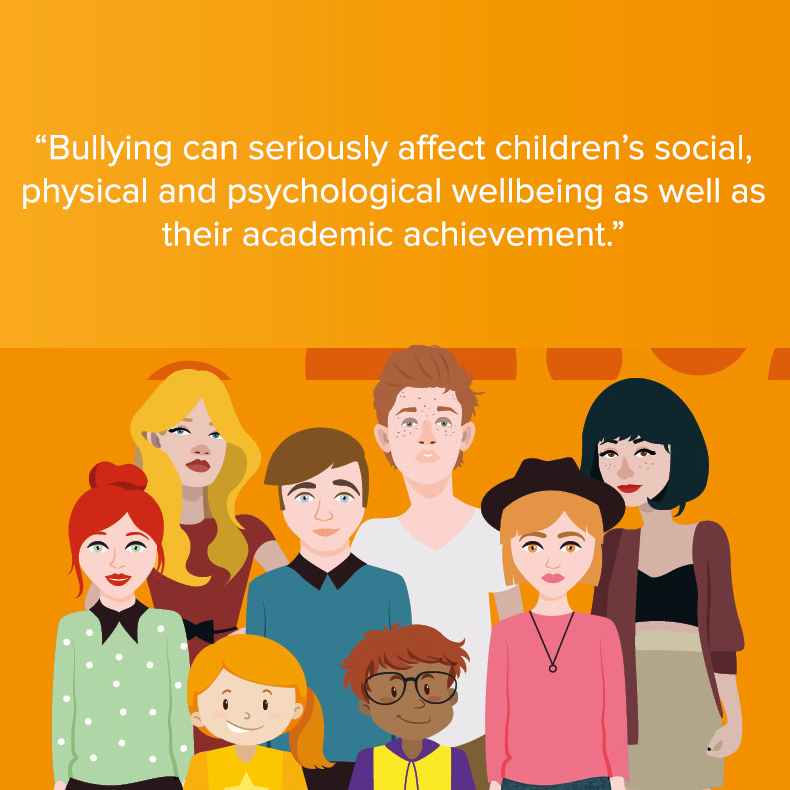
Infographics to easily learn more about bullying and what actions to take should bullying be an issue in your school or community.
In Vitro Fertilisation (IVF) is an Assisted Reproductive Technology (ART) in which an egg is fertilised by sperm outside the body.
Head lice is an ectoparasitic skin infection commonly seen in primary school-aged children. In remote Australia, where rates of other skin infections and downstream sequelae are endemic, the rate of head lice infestation is unknown.
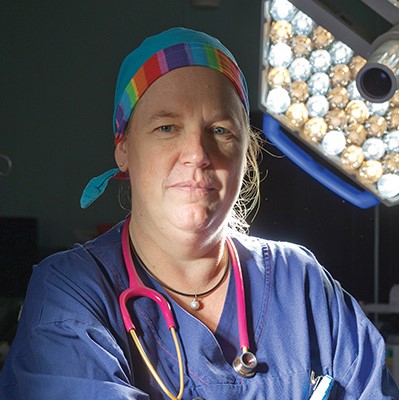
The Perioperative Medicine team has developed a unique chewable tablet that gives the child the sensation of having a full stomach, without compromising their fasting regime.
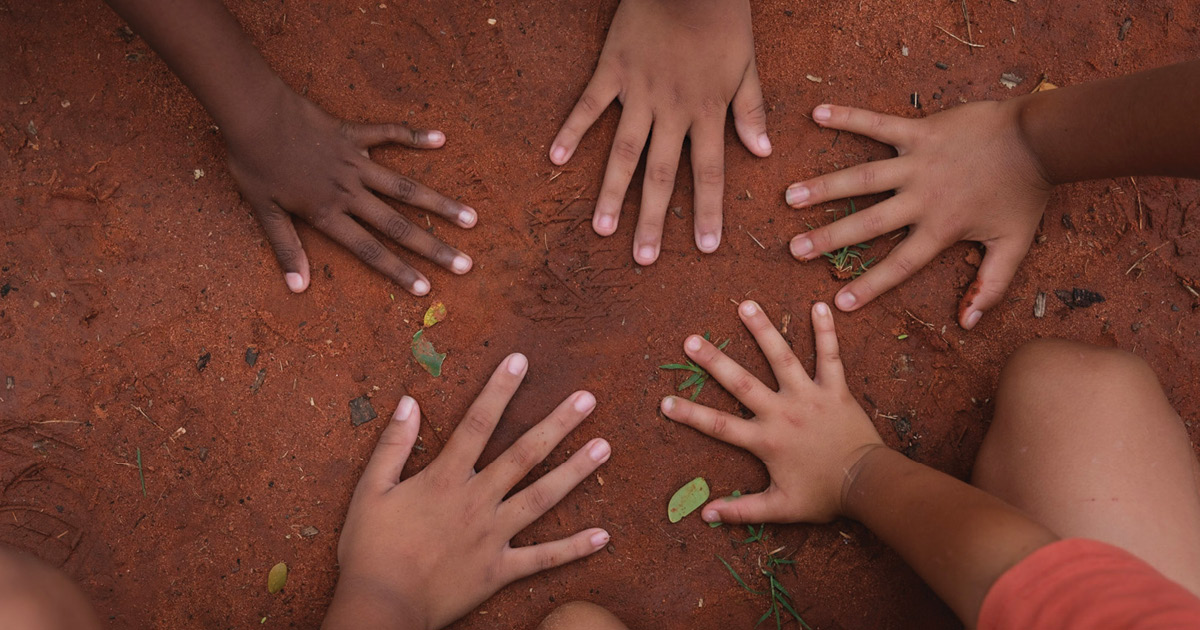
A Kimberley study seeking to better understand Strep A in remote settings is helping to guide new approaches to prevent acute rheumatic fever (ARF) – an auto-immune response that typically begins with a sore throat and causes high fever, tiredness and swollen joints.
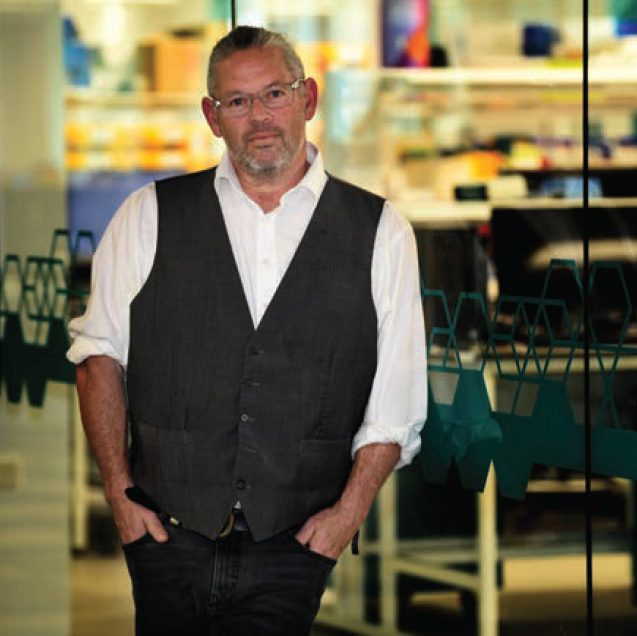
Scientific discoveries over the past 30 years mean doctors now have a deeper understanding of what causes disease and how those diseases might progress.
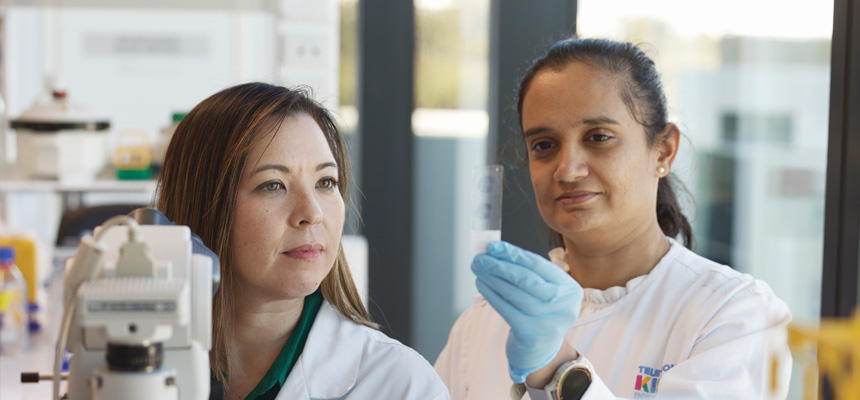
The WA Kids Cancer Centre has a suite of world-leading research projects to unlock new treatments for childhood cancers.
Asymptomatic carriage of Streptococcus pyogenes (Strep A) may contribute to transmission, yet its role remains poorly understood and evidence on optimal detection methods is limited. While self-collected throat swabs are used in infectious disease surveillance, their value for identifying asymptomatic Strep A carriage in adults is uncertain. This pilot prospective cohort study, conducted at a Perth medical research institute between August and October 2024, assessed feasibility and acceptability of self-collection, with sensitivity as a secondary objective.