
Search
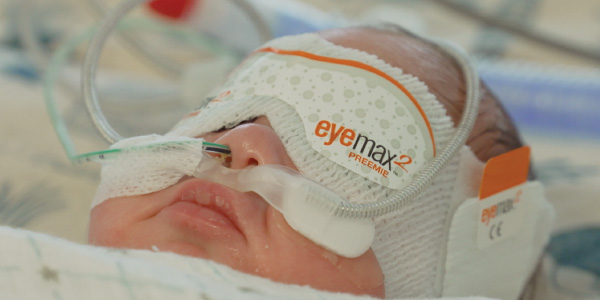
A simple set of eye masks and ear plugs – an inexpensive solution explored in a successful pilot study by The Kids Research Institute Australia, together with the Child and Adolescent Health Service – could hold the key to better outcomes for our tiniest bubs. Now, a nationwide clinical trial is testing the idea

Autism researchers at the The Kids Research Institute Australia have found the first evidence that therapy in infancy can reduce the likelihood of a clinical autism diagnosis in early childhood.
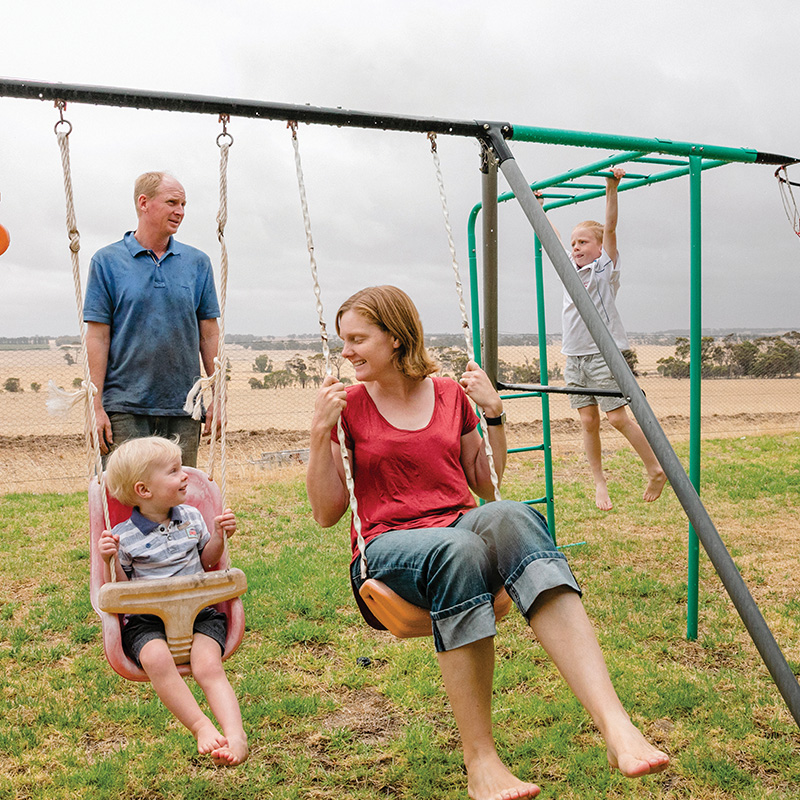
Communities in the Central Great Southern region have known for years that dental health is a major issue for the smallest residents of their towns.
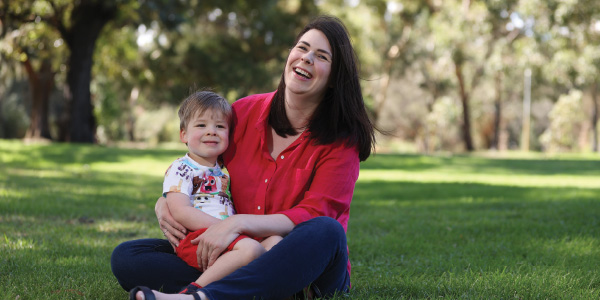
Amy Bertinshaw had a choice between ‘wait and see’ or seek help when she noticed her son Stirling was slower to meet developmental milestones at age 12 months.
Socio-economic inequality and vaccination inequity have long been critical issues. However, no studies have explored the gap in influenza vaccination uptake between public and private schools. Importantly, the extent to which socio-economic inequality translates into vaccination uptake inequity has not been quantified.
Group A Streptococcus (Strep A) causes a wide spectrum of diseases, ranging from pharyngitis and impetigo to severe invasive infections and immune-mediated conditions such as acute rheumatic fever, rheumatic heart disease and acute post-streptococcal glomerulonephritis. Contemporary data on the global burden of Strep A diseases are lacking.
Non-coercive 'nudge' interventions have shown the potential to promote health behaviours. This study aimed to evaluate the impact of nudge interventions on COVID-19/influenza vaccine uptake among children with medically at-risk conditions.
Efforts to promote adolescent wellbeing are of increasing global interest. Although the ability to measure wellbeing is essential for identifying disparities between and within populations, and for tracking progress in improving wellbeing, the best way to measure this elusive concept in adolescents is unclear.
Antimicrobial resistance (AMR) is a global healthcare emergency, directly causing 1.3 million deaths per year and predicted to increase dramatically over the coming decades. Understanding the molecular mechanisms underpinning antibiotic resistance is central to approaches for AMR surveillance and diagnosis in a clinical laboratory.
To examine the longitudinal effects of dog ownership and dog walking on self-reported and objective measures of physical function in mid- to older-aged adults.