
Search
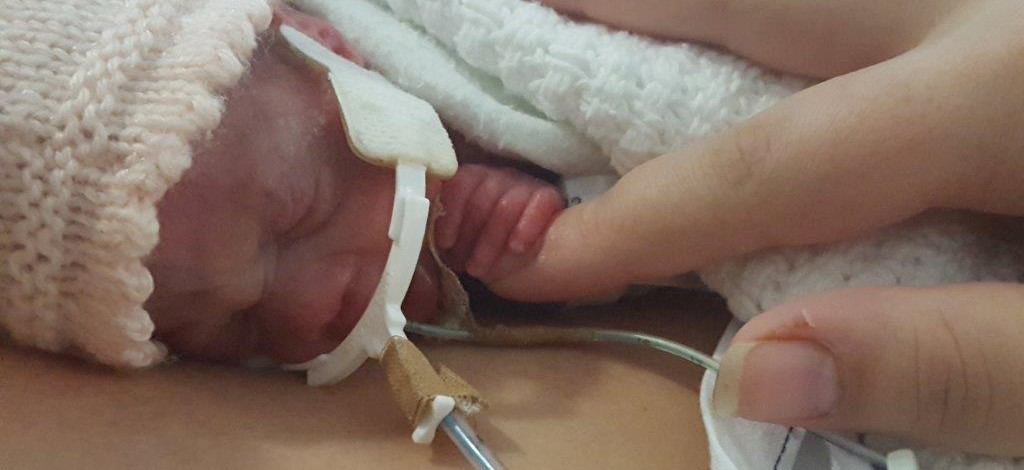
When KEMH specialists first suggested using coconut oil to treat the fragile skin of Kimberly Rohrlach’s extremely premature first-born child, Isabella, she thought it was more than a little weird.

In WA, 60,000 kids live with a rare disease, and of those about half do not have a diagnosis. At The Kids, researchers are leading the charge in developing a method to identify genetic variations, so that kids like Charlotte can get answers.
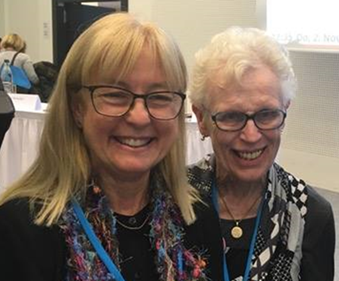
Two The Kids Research Institute Australia researchers recognised for their role in building a global database for CDKL5 deficiency disorder are now helping to set the scene for clinical trials of much-needed potential treatments.
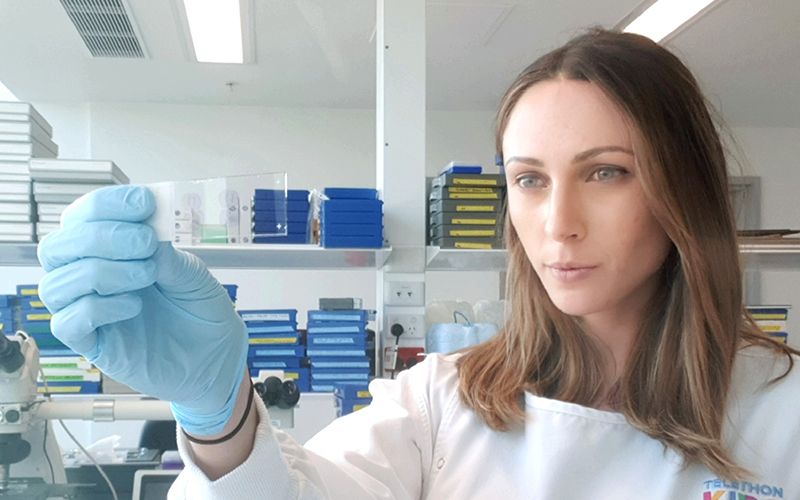
A The Kids Research Institute Australia researcher aiming to reduce the high rate of relapse in children after cancer surgery has won a prestigious post-doctoral fellowship from the Forrest Foundation.

Video technology is helping researchers learn more about the earliest features of autism, and in turn is helping families gain access to better interventions.

A The Kids Research Institute Australia researcher will map every food business and school in Perth to investigate the influence of the food environment on children’s food intake and health.
Aminoglycosides are commonly prescribed to children with febrile neutropenia (FN) but their impact on clinical outcomes is uncertain and extent of guideline compliance is unknown. We aimed to review aminoglycoside prescription and additional antibiotic prescribing, guideline compliance and outcomes for children with FN.
The Multidimensional Adolescent Functioning Scale (MAFS) is a 23-item, self-report questionnaire assessing psychosocial functioning in adolescents aged 12-17 years. It captures three domains of functioning: 'general functioning', 'family-related functioning', and 'peer-related functioning'. The original English version has good psychometric properties. The aim of the current paper was to translate the MAFS to Dutch and to investigate the psychometric properties of this translation.
Chronic suppurative otitis media (CSOM), sometimes referred to as chronic otitis media (COM), is a chronic inflammation and often polymicrobial infection (involving more than one micro-organism) of the middle ear and mastoid cavity, characterised by ear discharge (otorrhoea) through a perforated tympanic membrane.
There is limited longitudinal evidence supporting a link between food outlet locations and dietary outcomes to inform policy and urban planning. This study examined how longitudinal changes in the local food environment within new residential developments.