
Search
Showing results for "early life"
We systematically reviewed the published evidence for the developmental origins of health and disease hypothesis among aboriginal populations from Australia,...
The EU LifeCycle Project was launched in 2017 to combine, harmonize, and analyze data from more than 250,000 participants across Europe and Australia, involving cohorts participating in the EU-funded LifeCycle Project. The purpose of this cohort description is to provide a detailed overview of the major measures within mental health domains that are available in 17 European and Australian cohorts participating in the LifeCycle Project.
Early-life immune development is a critical factor in predicting the risk of childhood respiratory infections, asthma, and poor vaccine responses. Identifying immune endotypes that predispose children to these conditions could lead to the development of predictive biomarkers and early interventions, potentially improving long-term health outcomes.
Intra-breath forced oscillation technique can identify healthy infants at risk of developing LRTI, wheezing or severe illness in the first year of life
This study is looking for the causes of type 1 diabetes, so that we can find ways to prevent it. We will follow many women around Australia during pregnancy until early childhood, looking at the child's birth, environment and genes.
This study is looking for the causes of type 1 diabetes, so that we can find ways to prevent it.
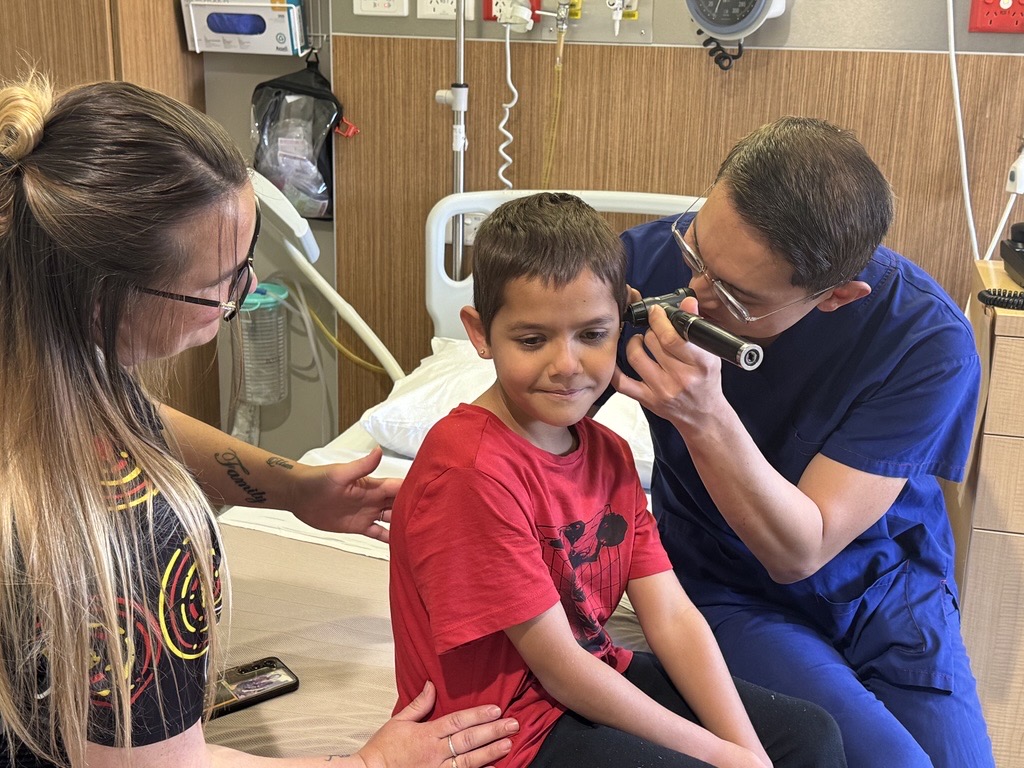
Painful ear infections and muffled sounds are a thing of the past for 100 Aboriginal children who have received free grommet surgery thanks to the Djaalinj Waakinj (listening and hearing) Ear Health program.
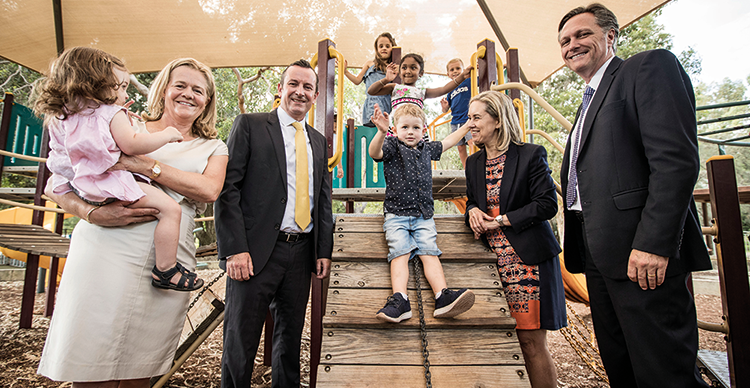
As we all know, we only get one start in life. Like the Minderoo Foundation, our partners in CoLab, we are determined to ensure that every start is a strong one for children across Australia.
The harmful consequences of growing up amidst adversity provide a compelling reason for intervening to improve young children’s outcomes.
Every child deserves the best possible start in life. Evidence demonstrates the period from pre-birth to three years is a vital period of development. It lays the foundations for a child’s future and has life-long impacts on health, education, job opportunities, social inclusion and wellbeing.