
Search
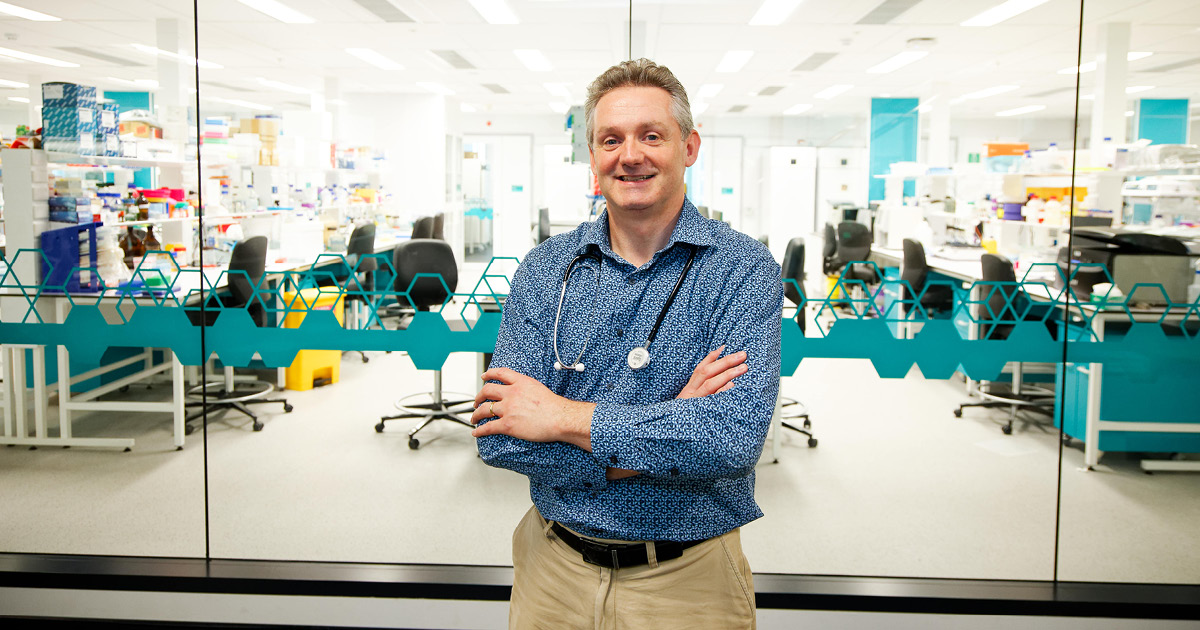
Australian children diagnosed with a brain tumour now have a better chance of accessing the best treatment for their disease thanks to a trans-Tasman collaboration spearheaded by The Kids Research Institute Australia cancer researcher Professor Nick Gottardo.
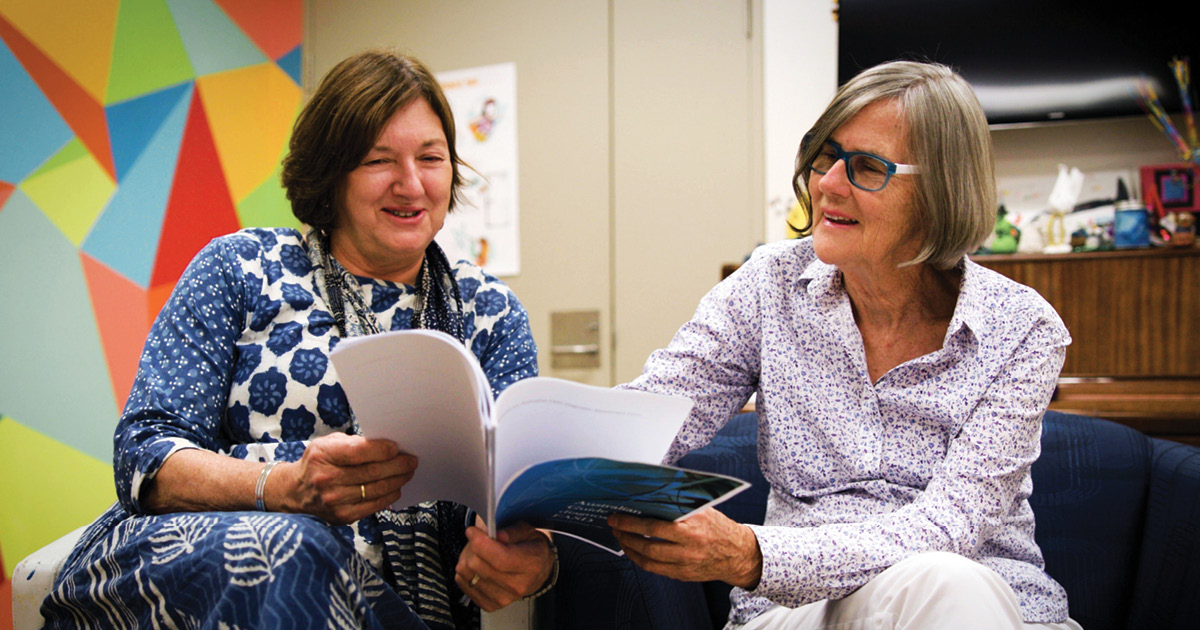
A website providing the latest research and resources on Fetal Alcohol Spectrum Disorder (FASD) is helping parents, educators, health professionals and policy makers navigate the complexities of the neurodevelopmental impairment condition.

Formative research undertaken by The Kids Research Institute Australia has helped inform tough new laws introduced by the Federal Government to reduce the harm caused by vapes.
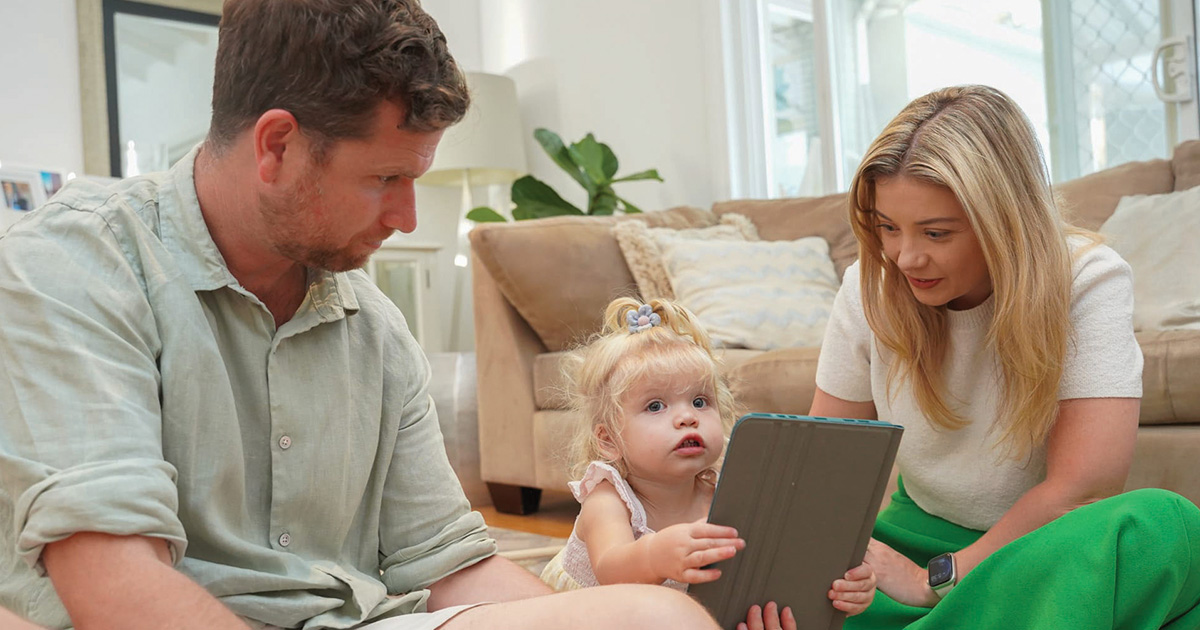
Toddlers exposed to screen time at home are hearing fewer words and making fewer vocalisations, findings from the first longitudinal study to measure the relationship between family screen use and children’s language development have shown.
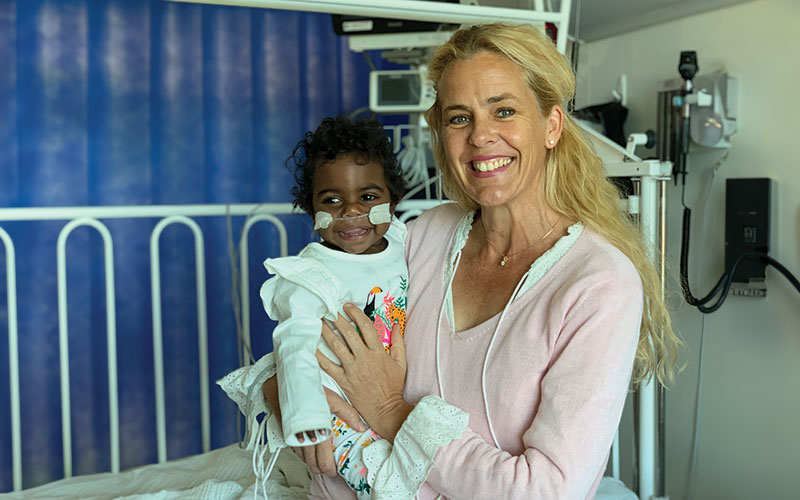
Culturally secure intervention to facilitate medical follow up for Aboriginal children, after being hospitalised with chest infections, have proven to improve long-term lung health outcomes.
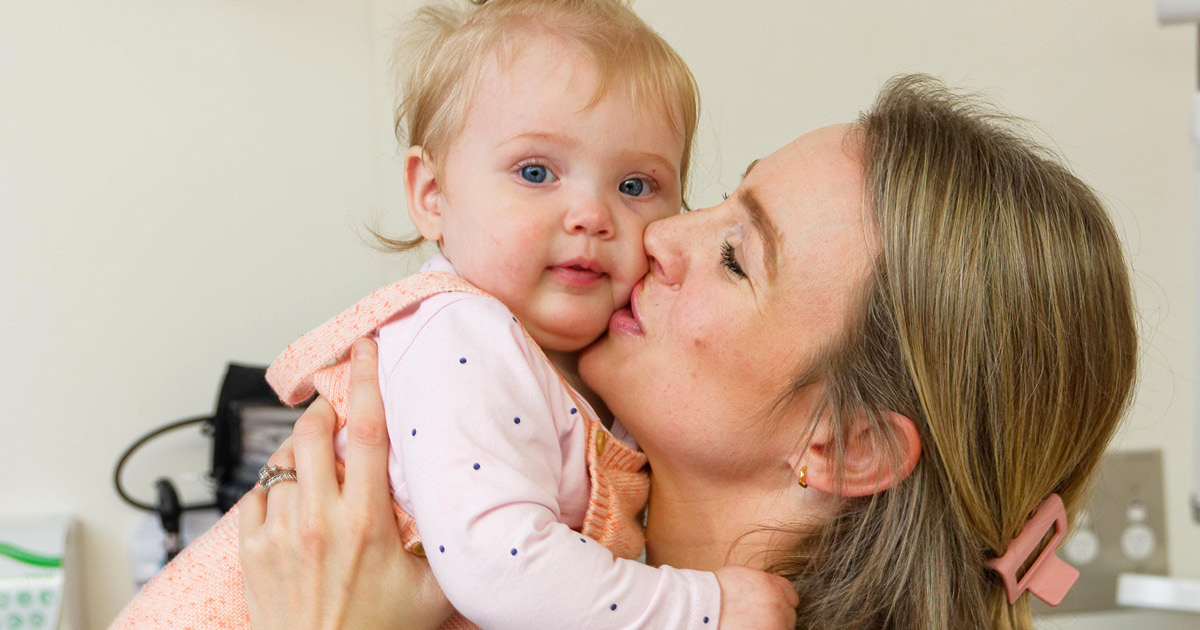
Prevention of respiratory syncytial virus (RSV) is now a real possibility thanks to the rollout of an immunisation program backed by a decade’s worth of epidemiological research led by The Kids Research Institute Australia.
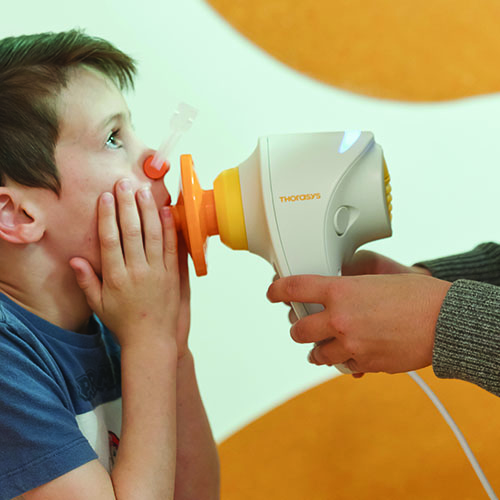
A new study is helping to identify treatment options to improve the lung function of premature babies, after it was determined survivors of preterm birth were at risk of declining lung health.
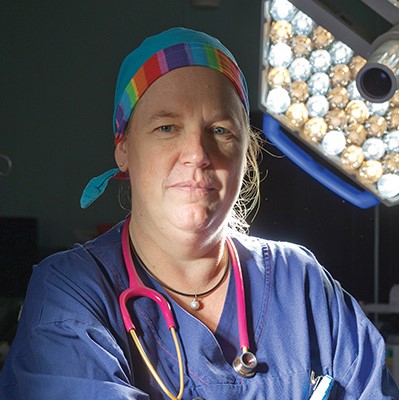
The Perioperative Medicine team has developed a unique chewable tablet that gives the child the sensation of having a full stomach, without compromising their fasting regime.
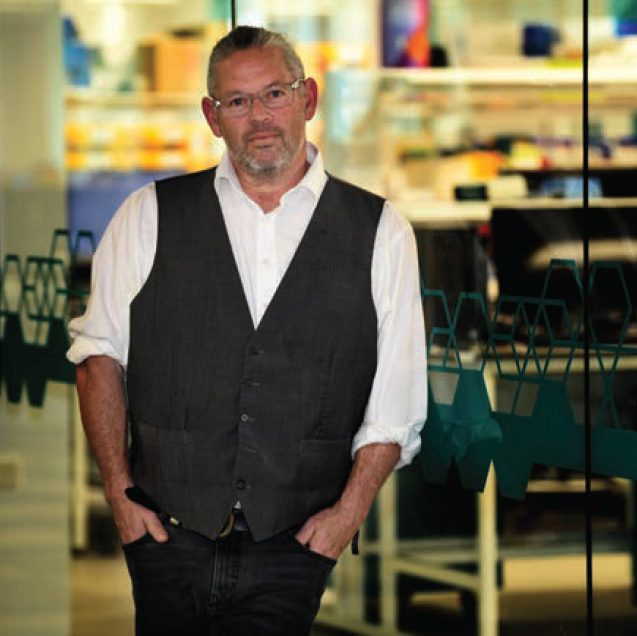
Scientific discoveries over the past 30 years mean doctors now have a deeper understanding of what causes disease and how those diseases might progress.
Associate Professor Lesterhuis said the gel, developed with the help of chemists at The University of Western Australia, could revolutionise the way solid tumours were treated.