
Search
Showing results for " https://www.galaxus.ch/en/sector/showdiscussion/snaphack-iphone-visit-kunghaccom-nssr1r3i-224165"
Although social factors and culture are significant determinants of health in Aboriginal and Torres Strait Islander peoples, little is known academically about key interpersonal and social experiences of this population during the perinatal period, or how early attachments are formed through culture. This study addressed this gap in the literature.
Pete Azzopardi PhD, FRACP, MEpi, MBBS, GDipBiostats, BMedSci Head, Adolescent Health and Wellbeing Head, Adolescent Health and Wellbeing Professor
Preterm birth is increasingly recognised as adversely influencing lifelong lung function. This Series paper on prematurity-associated lung disease reviews studies reporting longitudinal lung function measurements in individuals who were born preterm. Evidence suggests that preterm birth alters lung function trajectories from early life onwards, with implications for future respiratory morbidity. We propose that this population needs rigorous follow up that should include systematic monitoring of lung function across the lifespan, starting in childhood.
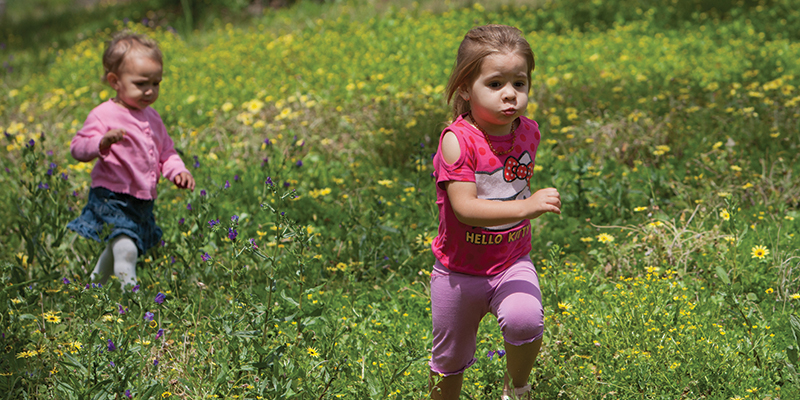
A child can’t thrive if they don’t have a roof over their head.
Respiratory oscillometry (or the forced oscillation technique) is a highly practical lung function test that can be applied in a wide range of clinical scenarios in children and adults, including the clinic, intensive care unit, patient home monitoring and emergency departments. Oscillometry measurements complement spirometry in detecting abnormal lung function, measuring effects of treatment such as inhaled corticosteroids or bronchodilators, and changes due to disease activity.
Adolescents are the future leaders of our world. Ensuring their health and wellbeing—now and in the future—is one of the strongest mechanisms available to safeguard the collective future of humanity and to secure a more just society and a healthier and more productive planet.
Food marketing exposure has the potential to influence children's dietary behaviours and health status, however, few studies have identified how 'obesogenic' the outdoor food marketing environment is along public transport (bus and/or train) or walking routes that children take to school.
An estimated 15 million babies (∼11%) are born preterm each year (before 37 weeks of gestation), the rates of which are increasing worldwide. Enhanced perinatal care, including antenatal corticosteroids, postnatal surfactant and improved respiratory management, have markedly improved survival outcomes since the 1990s, particularly for babies born very preterm (<32 weeks gestation). However, long-term pulmonary sequelae are frequent in preterm survivors and ongoing clinical management is often required.
Physical activity is essential for children’s healthy development, yet COVID-19 physical distancing restrictions such as school closures and staying at home, playground closures, and the cancelling of organised community sport have dramatically altered children’s opportunities to be physically active. This study describes changes in levels of physical activity and screen time from February 2020 (i.e., before COVID-19 restrictions were introduced in Western Australia) to May 2020 (i.e., when COVID-19 restrictions were in place). Parents of children aged 5 to 9 years from Western Australia were eligible to participate and recruited through convenience sampling.
This natural experiment investigated the influence of early childhood education and care outdoor physical environment upgrade on preschoolers' physical activity