
Search
The Kids Research Institute Australia position on schools and COVID-19 in Western Australia
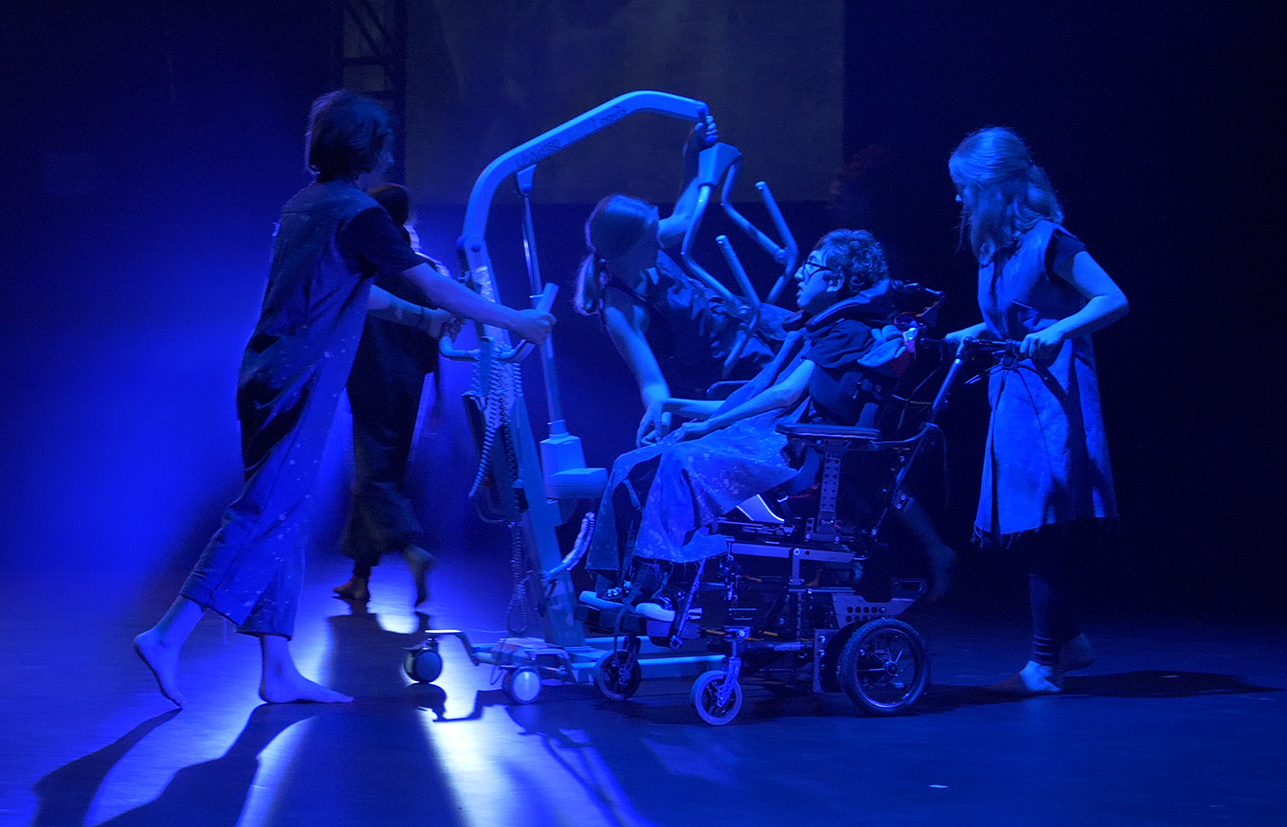
A quality of life tool developed by disability researcher Jenny Downs is helping to reveal the difference specific interventions can make to the lives of children and families living with disability.
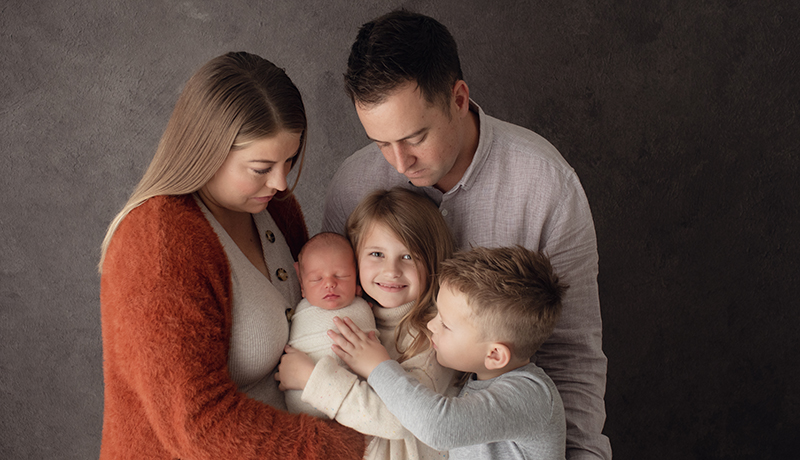
Video technology is helping researchers learn more about the earliest features of autism, and in turn is helping families gain access to better interventions.
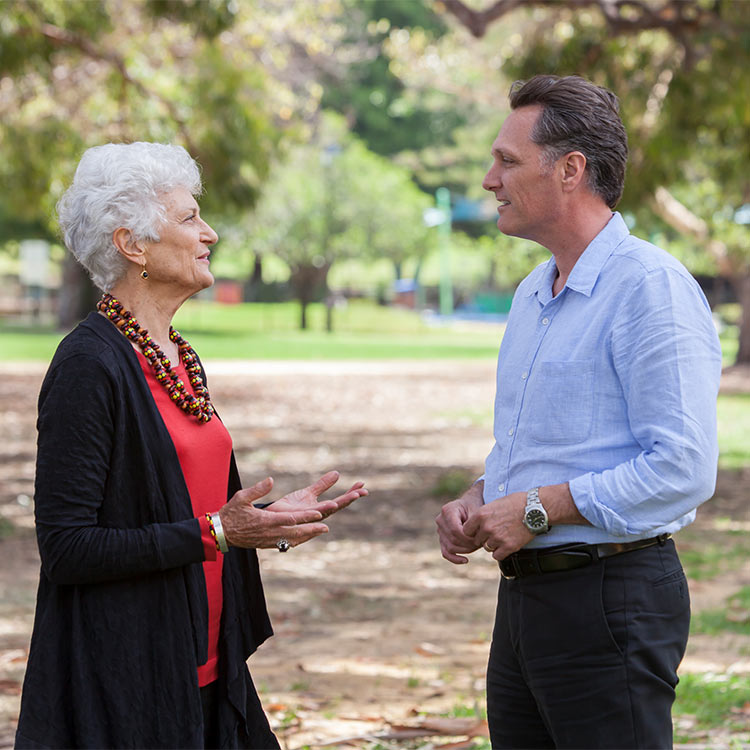
A letter to the WA public from Jonathan Carapetis and Fiona Stanley.
Not all children or teenagers identify with the gender they were assigned at birth. As a result, some may choose to change their name, their clothes or their body. With considerably higher rates of depression, anxiety, self-harm and attempted suicide, the need for specialist mental health services has been recognised.
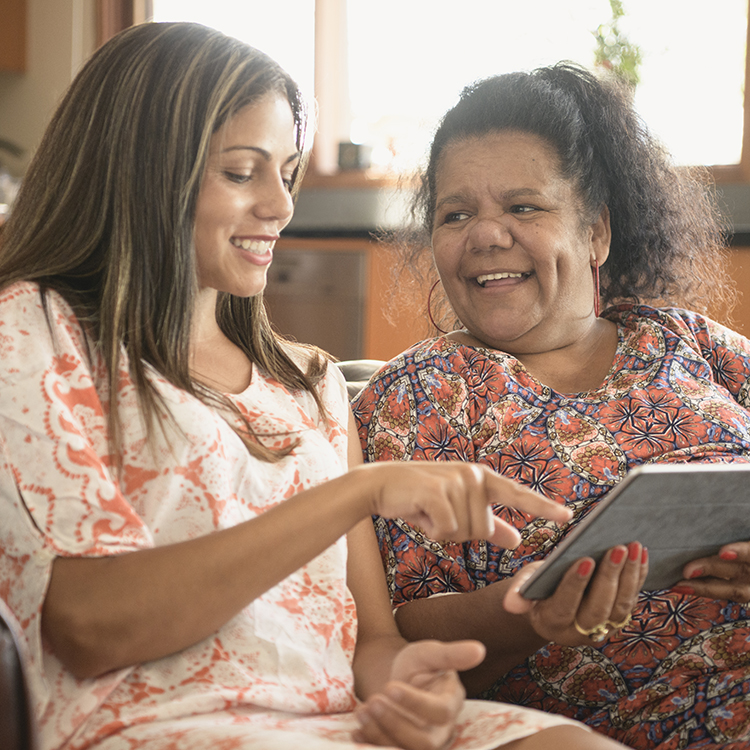
A number of organisations have created COVID-19 resources specifically developed for Aboriginal and Torres Strait Islander people.
Vaccination is the injection of an inactivated bacteria or virus into the body. This simulated infection allows an individual's immune system to develop an adaptive immunity for protection against that type of illness. When a sufficiently large percentage of a population has been vaccinated, this results in herd immunity.
Glue ear is when a child's middle ear fills with sticky fluid behind the ear drum. A common condition, glue ear usually goes undetected, as it's not an obvious condition from the outside.
Cystic fibrosis (CF) is the most common chronic, life-shortening genetic condition affecting young Australians. There is no cure but researchers are working to prevent the onset of lung disease.
About 2 per cent of children are estimated to have an intellectual disability. The cause of the condition is unknown in at least 50 per cent of cases.