
Search
Showing results for " https://www.galaxus.ch/en/sector/showdiscussion/snaphack-iphone-visit-kunghaccom-nssr1r3i-224165"
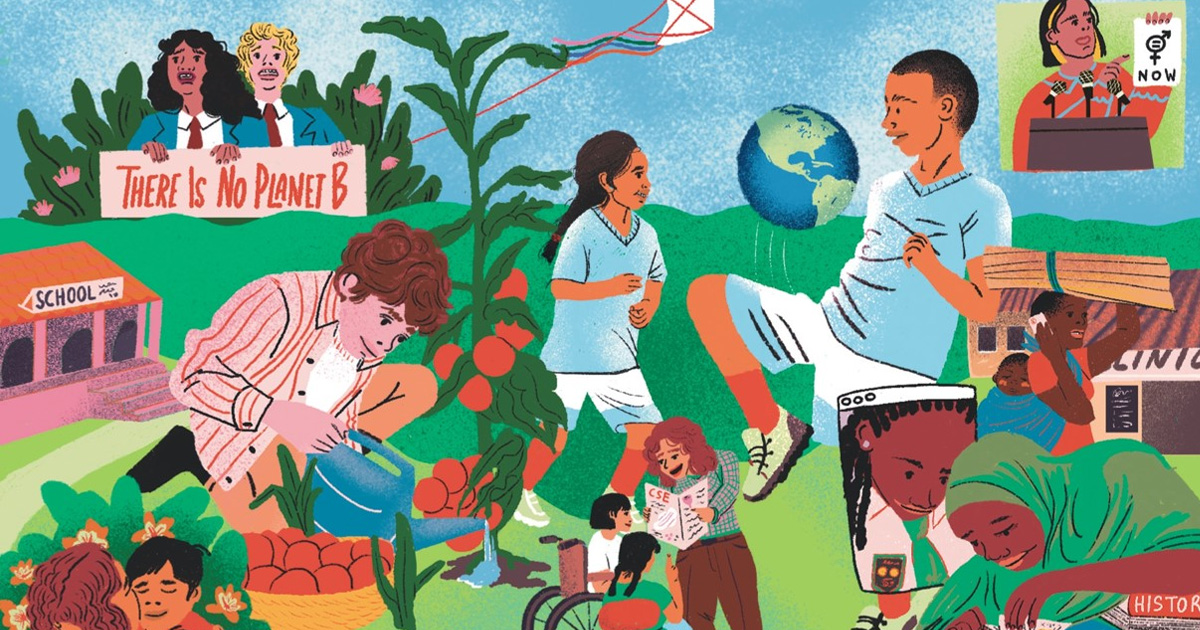
The health of the world’s 1.96 billion adolescents is at a critical tipping point.
Young children are no exception when it comes to the importance of friendships and social interaction for maintaining good health and well-being. This COVID-19 research project involves surveying parents and monitoring how their young children are coping during this time of social distancing.
This project will investigate the effects of the time interval between pregnancies (interpregnancy interval), family size and other sociodemographic factors on child development outcomes at age five.
Food marketing exposure has the potential to influence children's dietary behaviours and health status, however, few studies have identified how 'obesogenic' the outdoor food marketing environment is along public transport (bus and/or train) or walking routes that children take to school.
An estimated 15 million babies (∼11%) are born preterm each year (before 37 weeks of gestation), the rates of which are increasing worldwide. Enhanced perinatal care, including antenatal corticosteroids, postnatal surfactant and improved respiratory management, have markedly improved survival outcomes since the 1990s, particularly for babies born very preterm (<32 weeks gestation). However, long-term pulmonary sequelae are frequent in preterm survivors and ongoing clinical management is often required.
Physical activity is essential for children’s healthy development, yet COVID-19 physical distancing restrictions such as school closures and staying at home, playground closures, and the cancelling of organised community sport have dramatically altered children’s opportunities to be physically active. This study describes changes in levels of physical activity and screen time from February 2020 (i.e., before COVID-19 restrictions were introduced in Western Australia) to May 2020 (i.e., when COVID-19 restrictions were in place). Parents of children aged 5 to 9 years from Western Australia were eligible to participate and recruited through convenience sampling.
This natural experiment investigated the influence of early childhood education and care outdoor physical environment upgrade on preschoolers' physical activity
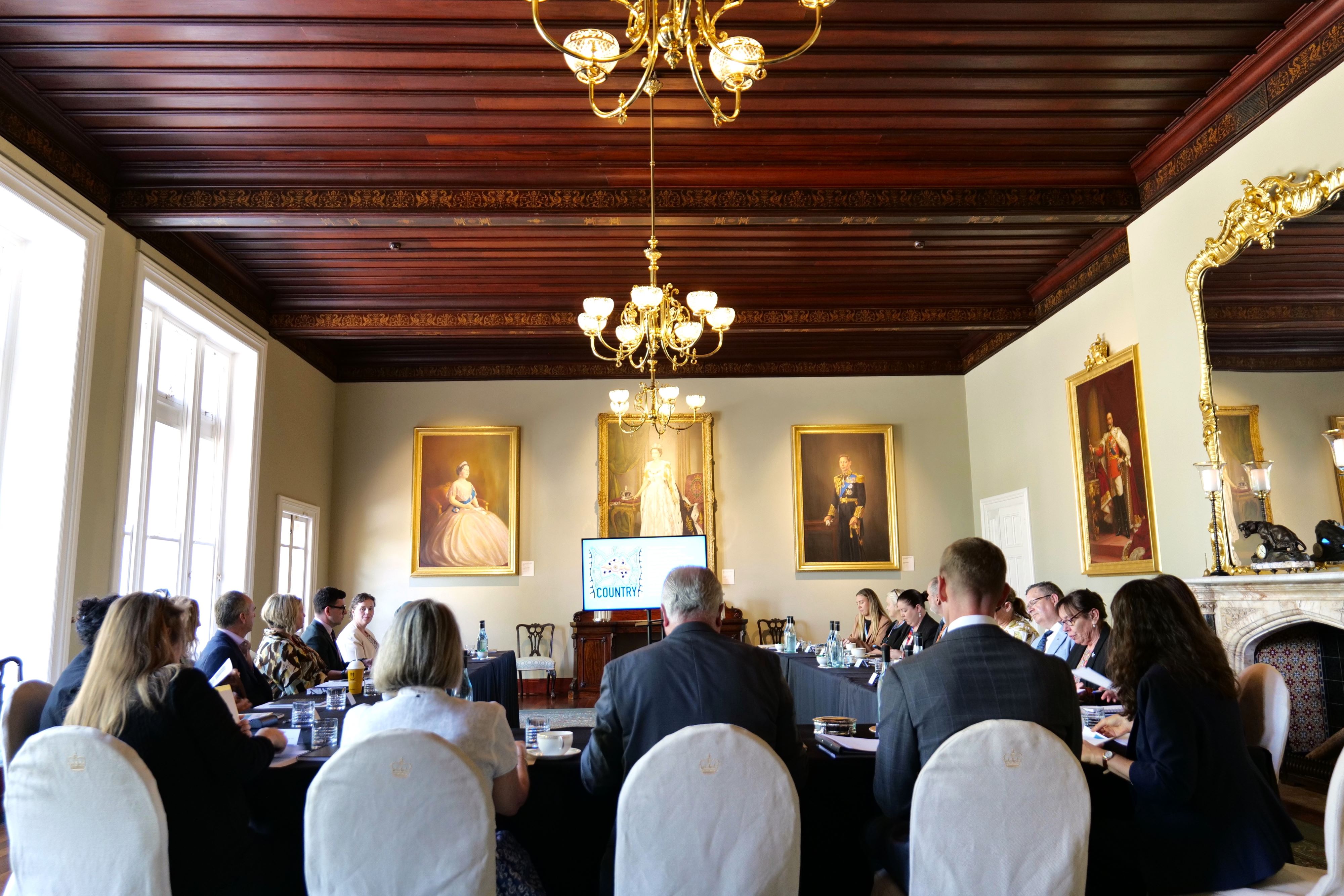
Embrace's Co-Directors have led a roundtable at Government House on the benefits of trauma-informed care
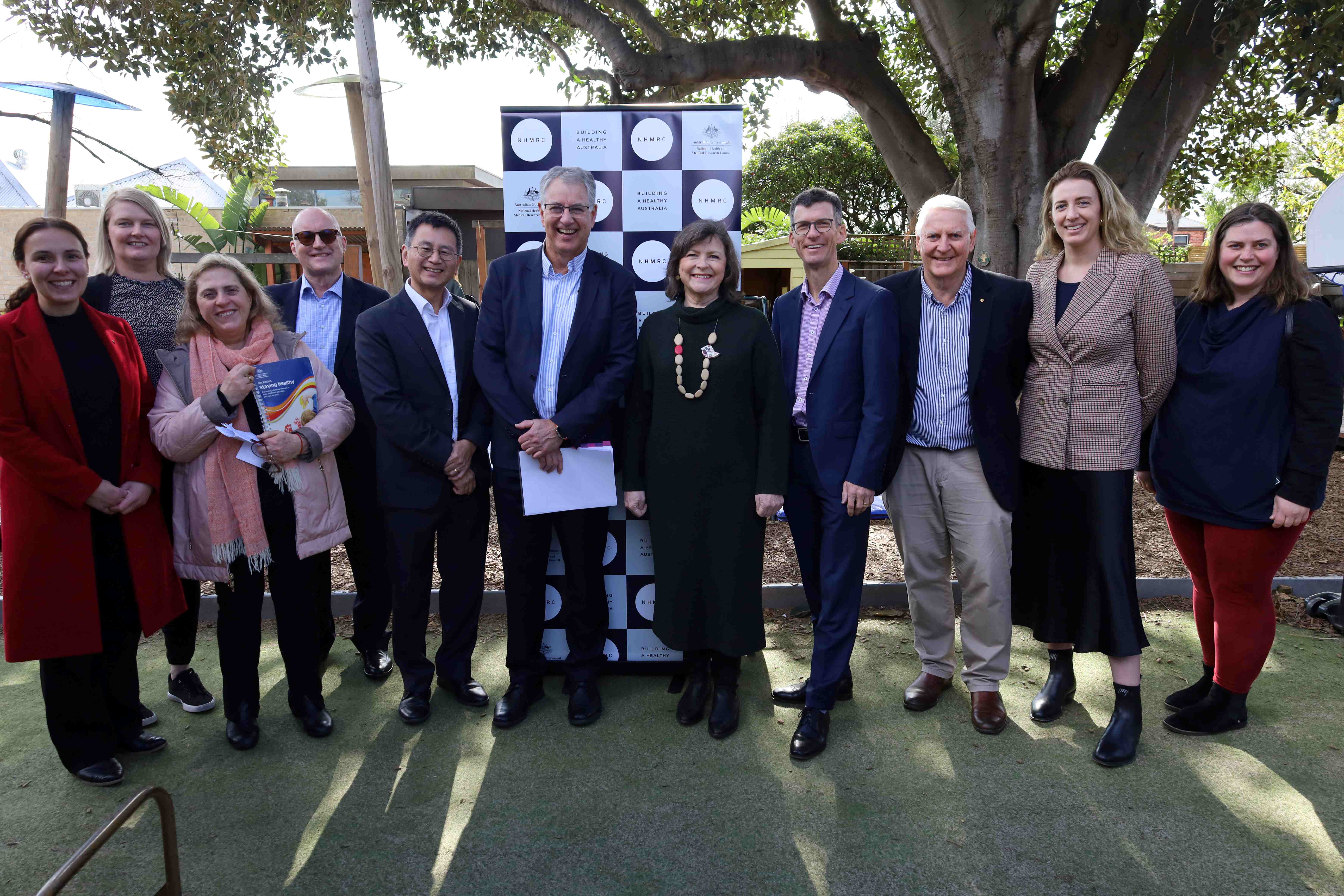
The National Health and Medical Research Council (NHMRC) has launched their sixth edition of Staying healthy: Preventing infectious diseases in early childhood education and care services in a bid to tackle the transmission of germs amongst young kids.
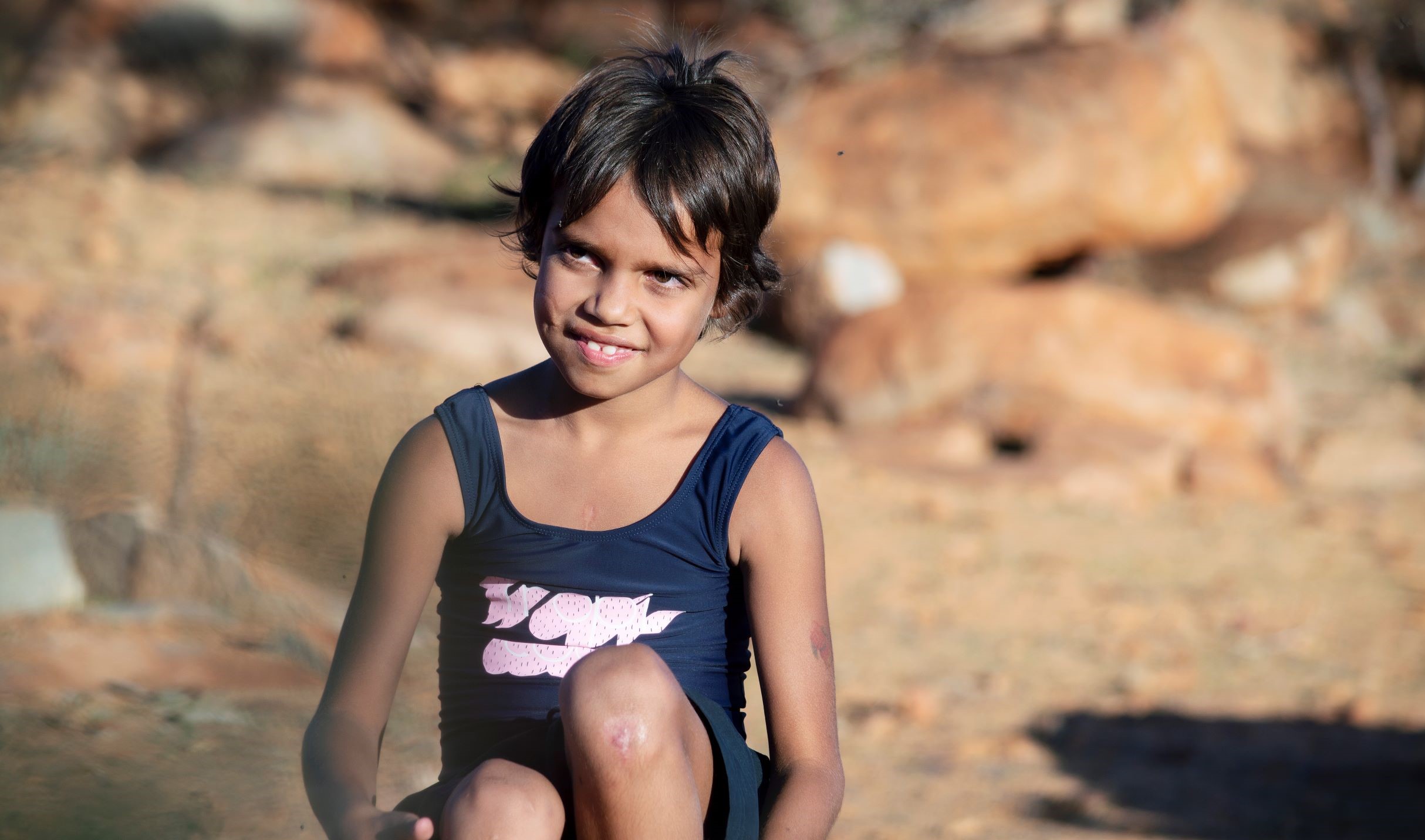
Five years of intensive collaboration between researchers, clinicians, Aboriginal Community Controlled Health Organisations, and government and non-government organisations have finally put the long-fought for goal of ending RHD within reach.