
Search
Congratulations goes to Dr Asha Bowen and Dr Ruth Thornton for being the successful first round recipients of the WCVID.
The Wesfarmers Centre is pleased to announce the successful applications for the 2016 Round 2 Wesfarmers Centre Seed Funding.
Eight applicants were successful, and were awarded $15,000 each for activities supporting subsequent research grant applications.
In 2014, the Wesfarmers Centre of Vaccines & Infectious Diseases put out a first call for seed funding proposals.
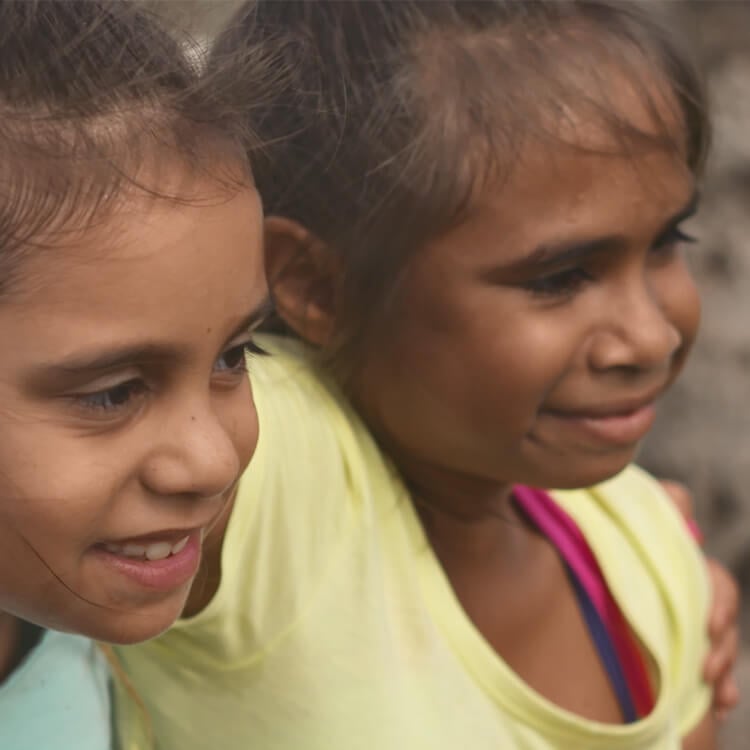
National Healthy Skin Guideline: for the Prevention, Treatment and Public Health Control of Impetigo, Scabies, Crusted Scabies and Tinea for Indigenous Populations and Communities in Australia

Preventing over half of the world’s ear infections with a therapy such as Spritz-OM will significantly improve health and educational outcomes on a global scale.
Cystic fibrosis (CF) is the most common chronic, life-shortening genetic condition affecting young Australians. There is no cure but researchers are working to prevent the onset of lung disease.
Cerebral palsy (CP) is a physical disability that affects movement and posture. Approximately 17 million people worldwide and 34,000 people in Australia are living with CP. In clinical and kinematic research, goniometers and inclinometers are the most commonly used clinical tools to measure joint angles and positions in children with CP.
Current evidence about the prevalence of interparental conflict (IPC) during early parenthood is primarily based on mothers’ reports. Drawing upon Australian longitudinal data from 4136 fathers, the aims of the study were to report on the extent to which fathers report IPC across six biennial time intervals when their children were aged 6–12 months to 10–11 years, identify trajectories of IPC over time and identify postnatal factors (at the initial time point) associated with high risk trajectories of IPC.
Central nervous system germinomas are treatment-sensitive tumors with excellent survival outcomes. Current treatment strategies combine chemotherapy with radiotherapy (RT) in order to reduce the field and dose of RT. Germinomas originating in the basal ganglia/thalamus have proven challenging to treat given their rarity and poorly defined imaging characteristics. Craniospinal, whole brain, whole ventricle, and focal RT have all been utilized; however, the best treatment strategy remains unclear.