
Search
Showing results for " https://www.galaxus.ch/en/sector/showdiscussion/snaphack-iphone-visit-kunghaccom-nssr1r3i-224165"
Pacific youth (15–24 years) experience multiple challenges to realising their sexual and reproductive health and rights (SRHR). Climate-related disasters compound pre-existing social and health inequities, including for youth SRHR. Meaningful youth engagement is crucial to understand their risks and inform inclusive disaster responses.
Childhood obesity and physical inactivity are two of the most significant modifiable risk factors for the prevention of non-communicable diseases. Yet, a third of children in Wales and Australia are overweight or obese, and only 20% of UK and Australian children are sufficiently active.
The influence of the neighbourhood built environment on young children's physical development has been well-documented; however, there is limited empirical evidence of an association with social and emotional development. Parental perceptions of the neighbourhood built environment may act as facilitators or barriers to young children's play and interactions in their local environment. The aim of this study was to examine the associations between parents' perceptions of the neighbourhood built environment and the social-emotional development of children aged two-to-five years.
Despite immense benefits of physical activity on health and developmental outcomes, few children achieve recommended daily levels of physical activity. Given more than half of families with children own a dog, we investigated the effect of a mobile health (mHealth) intervention to encourage dog-facilitated physical activity through increased family dog walking and children's active play with their dog.
The BEACHES project aims to provide high quality evidence of aspects of the built environment which can be modified to reduce the negative impact on children’s physical activity, eating behaviours and weight status.
Hayley Christian BSc (1st Class Hons), PhD (Distinction) W.Aust. Head, Child Physical Activity, Health and Development; Ascend Senior Research Fellow
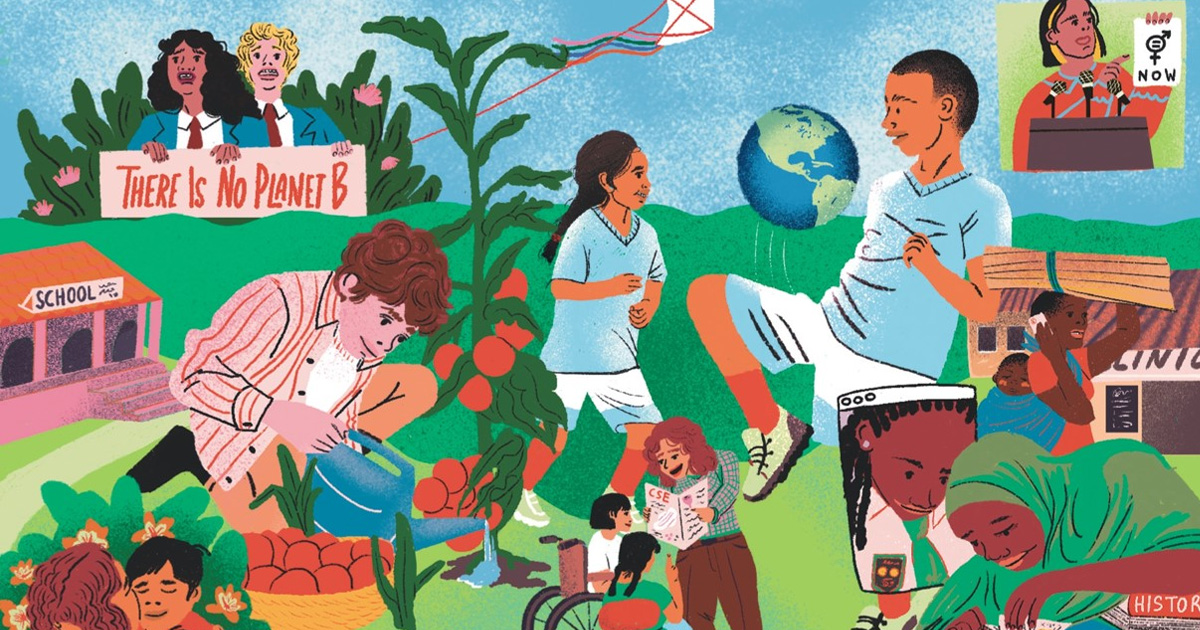
The health of the world’s 1.96 billion adolescents is at a critical tipping point.
Young children are no exception when it comes to the importance of friendships and social interaction for maintaining good health and well-being. This COVID-19 research project involves surveying parents and monitoring how their young children are coping during this time of social distancing.
This project will investigate the effects of the time interval between pregnancies (interpregnancy interval), family size and other sociodemographic factors on child development outcomes at age five.
Food marketing exposure has the potential to influence children's dietary behaviours and health status, however, few studies have identified how 'obesogenic' the outdoor food marketing environment is along public transport (bus and/or train) or walking routes that children take to school.