
Search
Showing results for "early life"
We compared early vocal development in children "at risk" for cerebral palsy (CP) with typically developing (TD) infants aged 6 to 15 months using the SAEVD-R, investigating potential pre-linguistic markers of communication impairment. Additionally, we sought to examine the agreement between the SAEVD-R and IMP, which uses parent report, in identifying departure from typical vocal development in at-risk infants.
Early detection of cerebral palsy (CP) risk is possible from 12 weeks corrected gestational age (CGA) using standardised assessments; however, up to half of children at risk are not referred early, missing out on early intervention. We investigated the barriers and facilitators to accessing early intervention from the perspective of parents of children who did not receive services by 6 months CGA.
Modern precision sequencing techniques have established humans as a holobiont that live in symbiosis with the microbiome. Microbes play an active role throughout the life of a human ranging from metabolism and immunity to disease tolerance. Hence, it is of utmost significance to study the eukaryotic host in conjunction with the microbial antigens to obtain a complete picture of the host-microbiome crosstalk.
Sport-based interventions could be an opportunity to provide intervention to individuals recovering from their first psychotic episode
Head, Pregnancy and Early Life Immunology
IgE-mediated sensitisation to egg is common in infants. In some cases, the processes leading to egg sensitisation are established in early life, even before introduction to solid foods. The underlying mechanisms remain poorly understood.
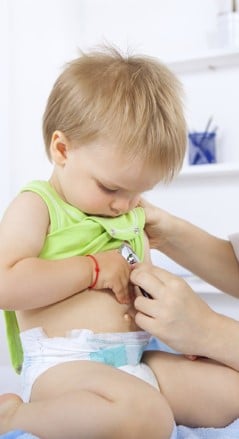
Developmental Origins of Health and Disease
Research Officer

Amanda is a Certified Child Life Specialist and has a Bachelor of Science in Psychology and Master of Arts in Education with an emphasis on Child Life in Hospitals and Early Childhood Education.
Epigenome-wide association studies (EWAS) can be used to investigate links between early life environment, epigenetics and disease...