
Search
The MECP2 mutations occurring in the severe neurological disorder Rett syndrome are predominantly de novo, with rare familial cases. The aims of this study...
Adenotonsillectomy patients represent the biggest challenge in postoperative pain management of the head and neck surgeries evaluated
The demographic and behavioural factors that contribute towards owners reporting having a strong sense of encouragement and motivation to walk their dogs

The Third Conversation
Explored Youth with Neuromuscular Disorders perceptions of health, health behaviors and healthcare engagement
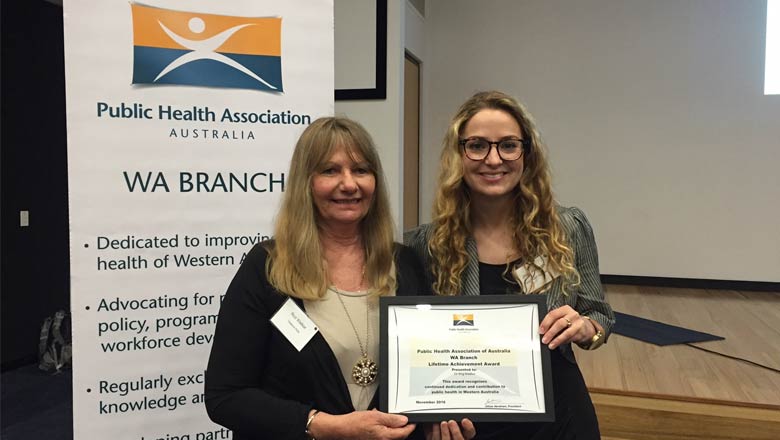
Two The Kids researchers working to improve the health & wellbeing of Aboriginal children & their families have both been honoured at the PHAA Awards.

Six leading health organisations have joined a new coalition to end rheumatic heart disease in Australia, disproportionately affecting Indigenous Australians.
Overview of all published mutations for the two Kabuki syndrome genes and point out possible mutation hot spots and strategies for molecular genetic testing
ADHD is one of the most commonly diagnosed disorders in child and adolescent psychiatry and is characterized by attentional deficits, hyperactivity, and impulsivity

Dr Andrew Whitehouse says results from a US study are just the first step when it comes to looking for environmental factors related to autism.