
Search
Showing results for "early life"
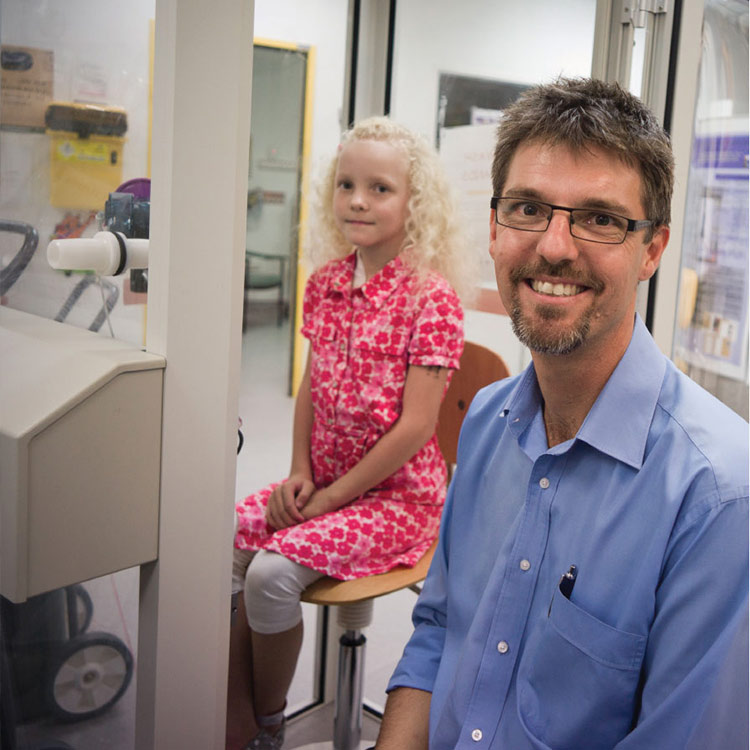
Life expectancy was in the 20s for children born with cystic fibrosis 30 years ago, today it is in the 30s. Professor Graham Hall is leading this research.
Experimental studies show a substantial contribution of early life environment to obesity risk through epigenetic processes.
Fetal exposure to maternal smoking during pregnancy is associated with the development of noncommunicable diseases in the offspring. Maternal smoking may induce such long-term effects through persistent changes in the DNA methylome, which therefore hold the potential to be used as a biomarker of this early life exposure. With declining costs for measuring DNA methylation, we aimed to develop a DNA methylation score that can be used on adolescent DNA methylation data and thereby generate a score for in utero cigarette smoke exposure.
Early childhood is increasingly recognised as a critical time for the development of executive function.
Onco-fetal reprogramming of the tumor ecosystem induces fetal developmental signatures in the tumor microenvironment, leading to immunosuppressive features. Here, we employed single-cell RNA sequencing, spatial transcriptomics and bulk RNA sequencing to delineate specific cell subsets involved in hepatocellular carcinoma relapse and response to immunotherapy.
Both fetal and tumor tissue microenvironments display immunosuppressive features characterized by the presence of specific immunomodulatory stromal and immune cell populations. Recently, we discovered shared microenvironments between hepatocellular carcinoma and fetal tissues and described this phenomenon as an oncofetal ecosystem.
Allergic diseases are a major cause of morbidity in the developed world, now affecting up to 40 % of the population with no evidence that this is abating.
Airways hyperresponsiveness (AHR) is one of the major clinical features of allergic airways disease including allergic asthma
The period of infancy and early childhood is a critical time for interventions to prevent future mental health problems. The first signs of mental health difficulties can be manifest in infancy, emphasizing the importance of understanding and identifying both protective and risk factors in pregnancy and the early postnatal period.

Head, Early Neurodevelopment & Mental Health; Healthway WA Senior Research Fellow