
Search
The objectives of this study are to study the epidemiology of childhood diabetes in Western Australia from 1985 onwards.
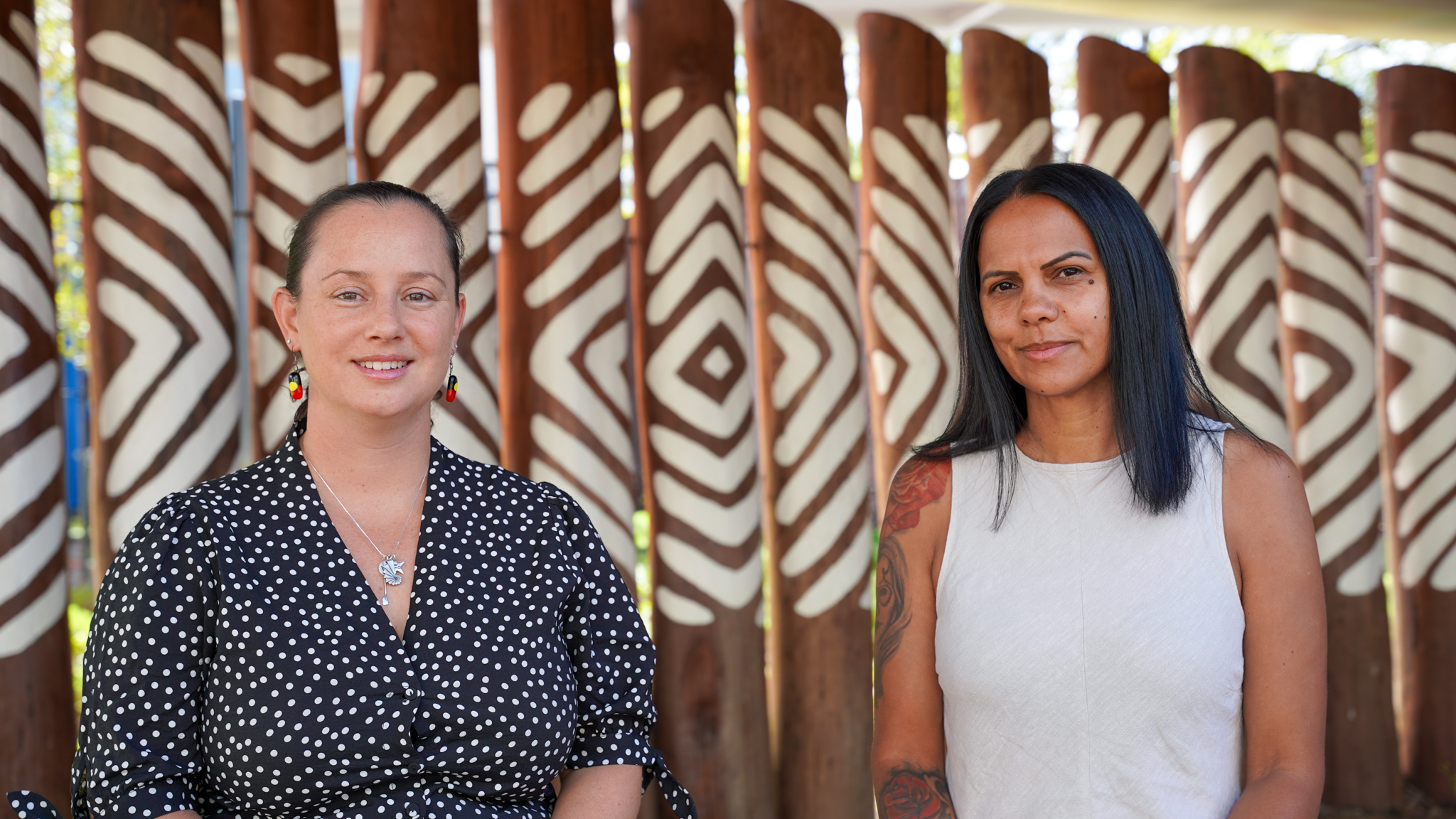
A first of its kind research program at The Kids Research Institute Australia aims to develop new strategies to better treat Aboriginal and Torres Strait Islander children with cancer.
Kids Rehab WA is an integrated team of clinicians and researchers who deliver and research therapies for children with acquired or congenital neurological impairments, leading to improved outcomes for children and their families.
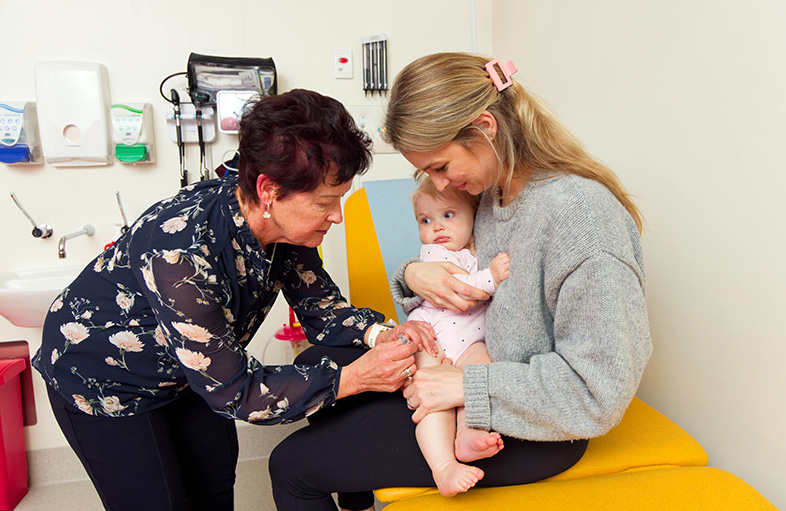
Aims to prevent, diagnose, and treat infectious diseases, with a strong focus on developing effective vaccines and improving immunity across populations. This theme addresses both emerging and persistent infections that impact children's health worldwide.
Pneumonia is the leading cause of death in young children globally and is prevalent in the Papua New Guinea highlands. We investigated clinical predictors of hypoxic pneumonia to inform local treatment guidelines in this resource-limited setting.
We compared the epidemiology, severity and management of hospitalized respiratory syncytial virus (n = 305) and human metapneumovirus (n = 39) bronchiolitis in a setting with high respiratory virus testing (95% of admissions tested). Respiratory syncytial virus-positive infants were younger and tended to require more hydration support and longer hospital stays compared to human metapneumovirus-positive infants. Respiratory support requirements were similar between groups despite significant age differences.
Children are more vulnerable than adults to climate-related health threats, but reviews examining how climate change affects human health have been mainly descriptive and lack an assessment of the magnitude of health effects children face. This is the first systematic review and meta-analysis that identifies which climate-health relationships pose the greatest threats to children.
Having a walkable built environment is important to encourage active school transport. The aim of this study was to measure the walkability of all Perth, Western Australian schools and investigate whether differences in walkability exist by school type, socioeconomic status and/or subregion.
In partnership with local Aboriginal Community Controlled Health Organisations, the Elder-led co-designed Koolungar Moorditj Healthy Skin project is guided by principles of reciprocity, capacity building, respect, and community involvement. Through this work, the team of Elders, community members, clinicians and research staff have gained insight into the skin health needs of urban-living Aboriginal koolungar (children); and having identified a lack of targeted and culturally appropriate health literacy and health promotion resources on moorditj (strong) skin, prioritised development of community-created healthy skin resources.
Lung inflammation and impaired alveolarization precede bronchopulmonary dysplasia (BPD). Glucocorticoids are anti-inflammatory and reduce ventilator requirements in preterm infants. However, high-dose glucocorticoids inhibit alveolarization. The effect of glucocorticoids on lung function and structure in preterm newborns exposed to antenatal inflammation is unknown. We hypothesise that postnatal low-dose dexamethasone reduces ventilator requirements, prevents inflammation and BPD-like lung pathology, following antenatal inflammation.