
Search
Showing results for "early life"
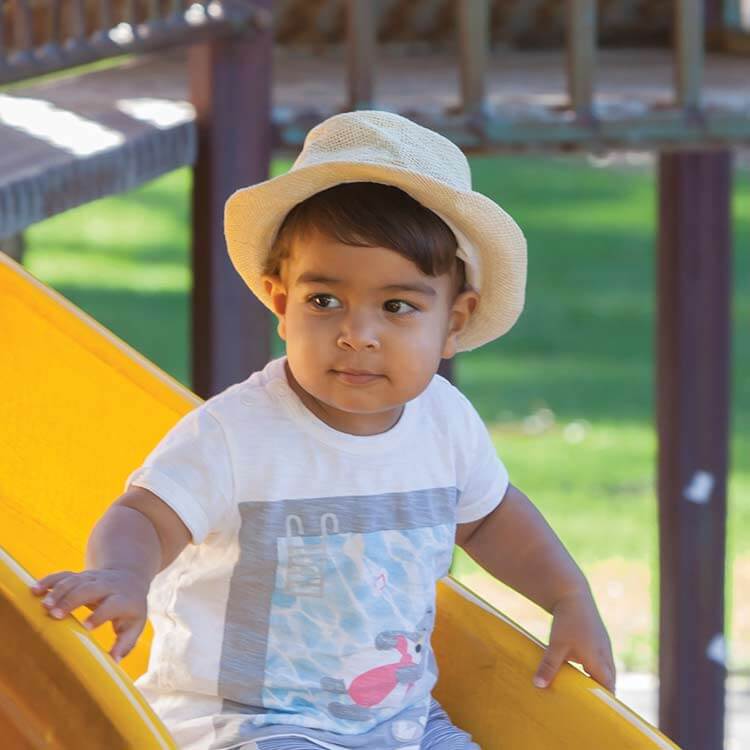
The Early Years Systems Evidence (EYSE) team specialises in working in partnership with governments and service providers, with a distinct focus on improving the life chances of children in Australia.
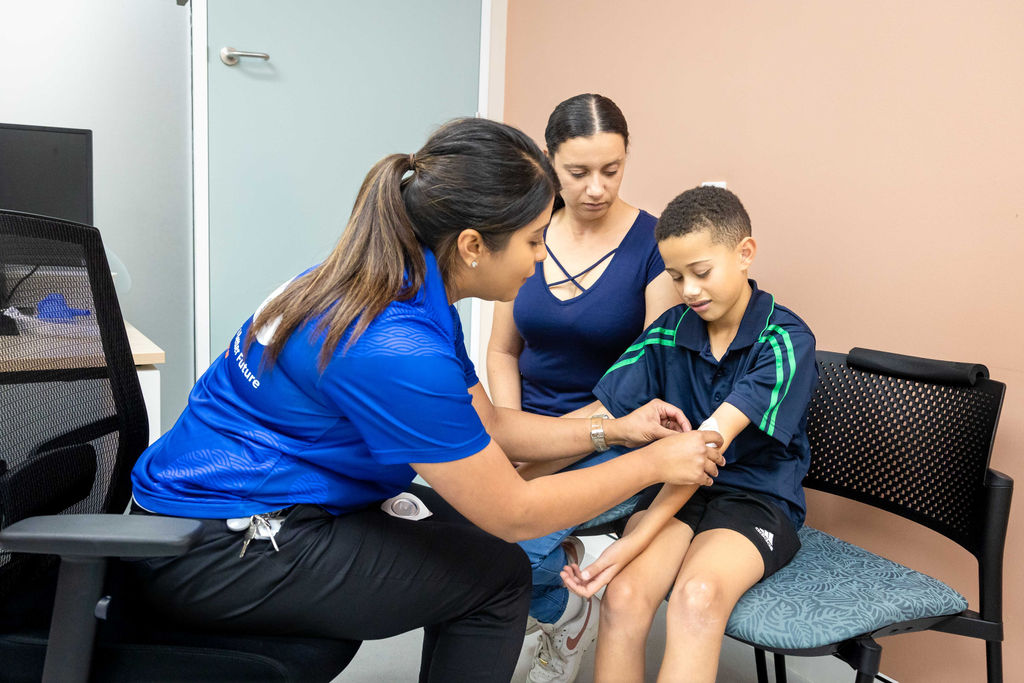
Exploring opportunities for early diagnosis and intervention and the impact this has on improving family healthcare.
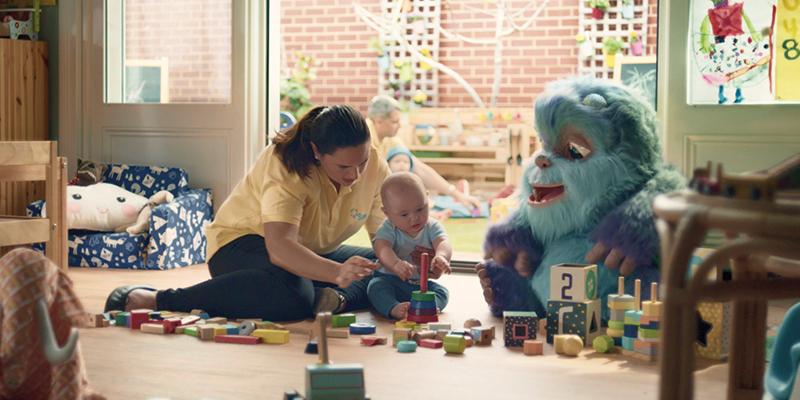
A lovable blue creature by the name of Bobbie has won the hearts and minds of Western Australians.
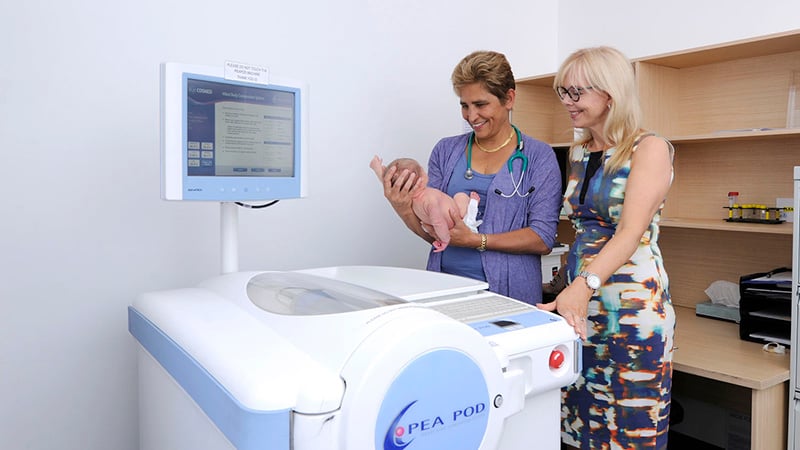
The Joondalup Health Campus and The Kids are investigating how childhood and adult-onset diseases can be prevented during foetal development and in the early years of life.
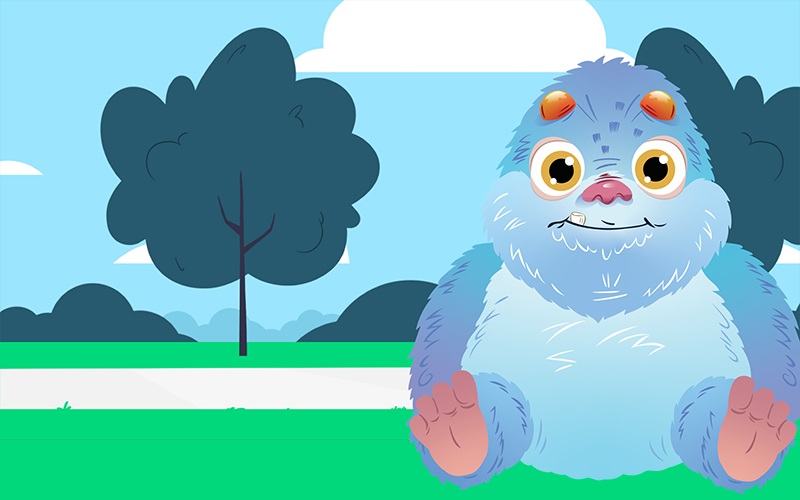
A new app utilising ground breaking research into the early years will assist parents and carers develop their child’s life skills while going about their daily routines.
Satisfactory content validity is reported, where ongoing consumer feedback shaped the dataset from which the final items were selected
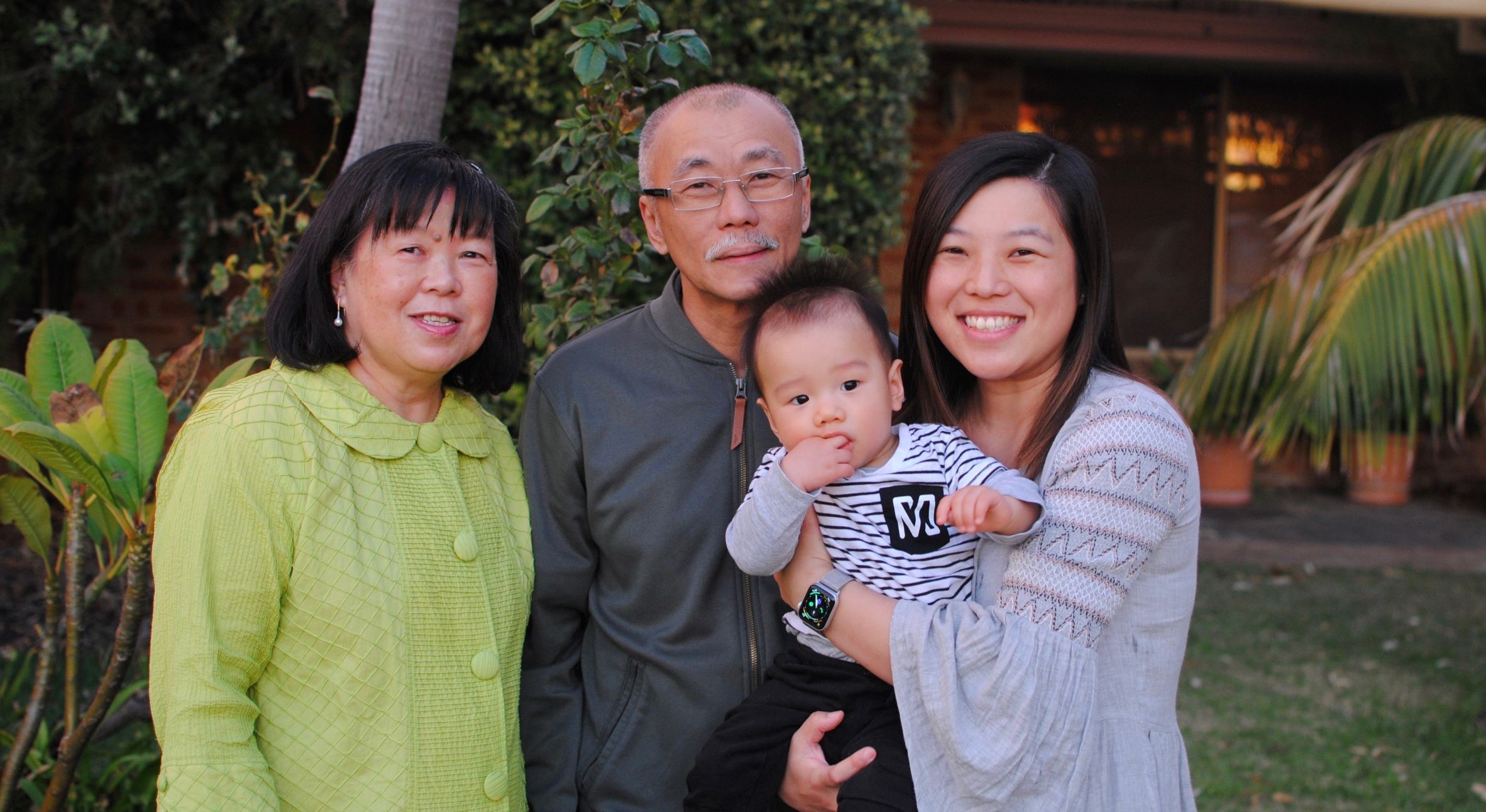
Between 1989 and 1991, almost 3,000 WA babies were recruited to the Raine Study - an ambitious research project which would yield a series of paradigm-shifting findings that changed scientific thinking. Three decades on, it has also changed the lives of those taking part.
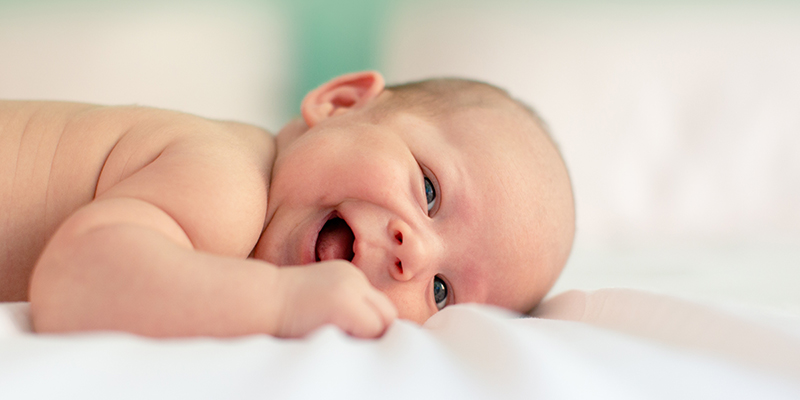
An international team of researchers has pioneered a technique which gives unprecedented insight into the dramatic changes occurring in a baby’s body in the first week of life.
To compare quality of life (QOL) across diagnoses associated with intellectual disability, construct QOL profiles and evaluate membership by diagnostic group, function and comorbidities.
Studies examining associations of early-life cat and dog ownership with childhood asthma have reported inconsistent results. Several factors could explain these inconsistencies, including type of pet, timing, and degree of exposure. Our aim was to study associations of early-life cat and dog ownership with asthma in school-aged children, including the role of type (cat vs dog), timing (never, prenatal, or early childhood), and degree of ownership (number of pets owned), and the role of allergic sensitization.