
Search

Two projects led by The Kids Research Institute Australia have been awarded more than $2.5 million to fund innovative ideas focused, respectively, on combating persistent ear infections and investigating how dangerous fungi invade the bodies of immunocompromised people.
Peter Ruth Elke Richmond Thornton Seppanen MBBS MRCP(UK) FRACP PhD BSc PhD Head, Vaccine Trials Group Co-head, Bacterial Respiratory Infectious
Ruth Elke Peter Thornton Seppanen Richmond PhD BSc PhD MBBS MRCP(UK) FRACP Co-head, Bacterial Respiratory Infectious Disease Group (BRIDG) Program
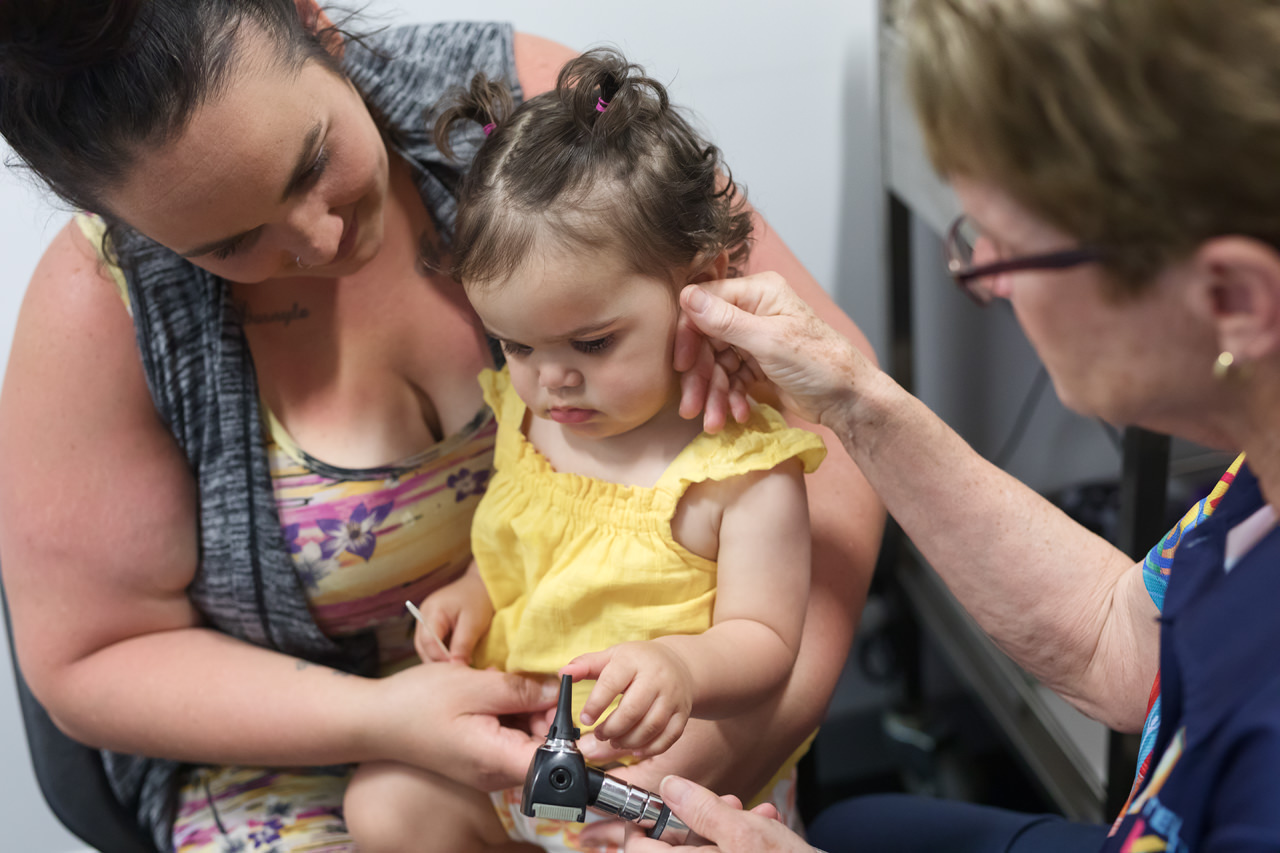
Researchers from The Kids Research Institute Australia have been awarded a $1.1 million NHMRC ‘Targeted Call for Hearing Health’ grant to conduct the first ever study following Aboriginal babies from birth through to five years to uncover the true prevalence of middle ear infections and hearing loss.

Honorary Emeritus Fellow

Program Manager
One third of children require repeat ventilation tube insertion (VTI) for otitis media. Disease recurrence is associated with persistent middle ear bacterial biofilms. With demonstration that Dornase alfa (a DNase) disrupts middle ear effusion biofilms ex vivo, we identified potential for this as an anti-biofilm therapy to prevent repeat VTI. First, safety and tolerability needed to be measured.
To investigate the long-term impact of recurrent otitis media (rOM) and ventilation tube insertion (VTI) in early childhood on hearing outcomes and middle-ear health three to five years later, in a prospective pregnancy cohort study.
To investigate the long-term effects of early-life recurrent otitis media (OM) and subsequent behavioural problems in children at the age of 10 years.
Investigating the impact of early childhood ventilation tube insertion (VTI) on long-term language outcomes.