
Search
Pneumococcal surface protein A is immunogenic and natural anti-PspA immune responses are acquired through exposure and develop with age
Measures of allergic sensitization and therapeutic strategies could be optimized with knowledge of Der p 2 variants
This study analysed the IgE binding patterns caused by house dust mite allergens in scabies endemic communities in Australia.
This comprehensive review provides an introduction to immunological hypersensitivity, discusses the sensitisation of T-cell lineages.
This article assesses the absolute and specific antibody titres to VP1 antigens of the gut-trophic enteroviruses, echovirus 30 and Sabin 1 poliovirus, in...
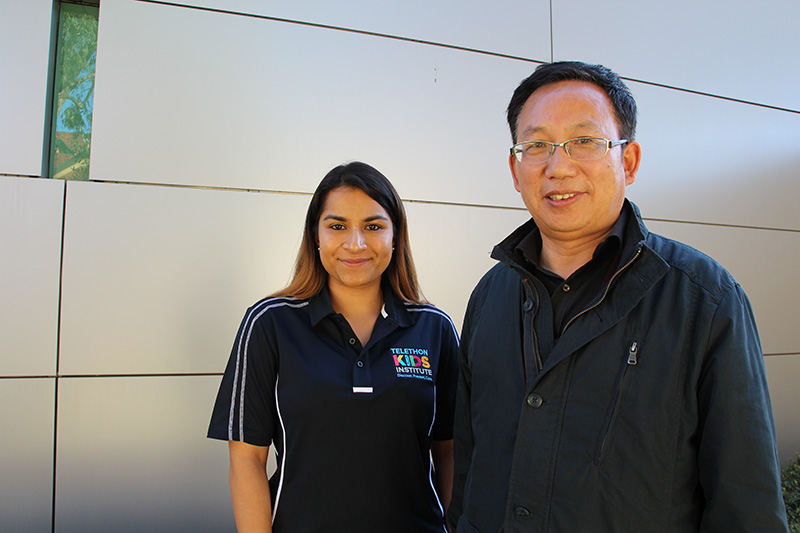
Chinese immigrants who live in a Western environment like Australia have an increased risk of allergies, hay fever and asthma, new research led by Curtin University and The Kids Research Institute Australia has found.
Staphylococcus aureus is a common cause of community and health care-associated bacteremia, with authors of recent studies estimating the incidence of S aureus bacteremia (SAB) in high-income countries between 8 and 26 per 100 000 children per year. Despite this, <300 children worldwide have ever been randomly assigned into clinical trials to assess the efficacy of treatment of SAB.

new research at The Kids Research Institute Australia will look at the diets of mums to see if regularly eating more eggs or peanuts during pregnancy and while breastfeeding