
Search
Trans youth are at high risk of mental health difficulties and negative life events. Strong parental support is highly protective however there is little understanding of what factors facilitate the process of parental understanding and acceptance of a child’s gender identity.
The mental health and wellbeing of young people has important consequences for students and society. Schools are a logical environment for management and early intervention of wellbeing, mental health and engagement with school. Interventions aimed at improving mental health and wellbeing in education systems requires knowledge of how wellbeing is clustered at a school level. Cluster-randomised trials, and regression analyses of such data also require knowledge of clustering.
Student bullying behaviours are a significant social issue in schools worldwide. Whilst school staff have access to quality bullying prevention interventions, schools can face significant challenges implementing the whole-school approach required to address the complexity of these behaviours.
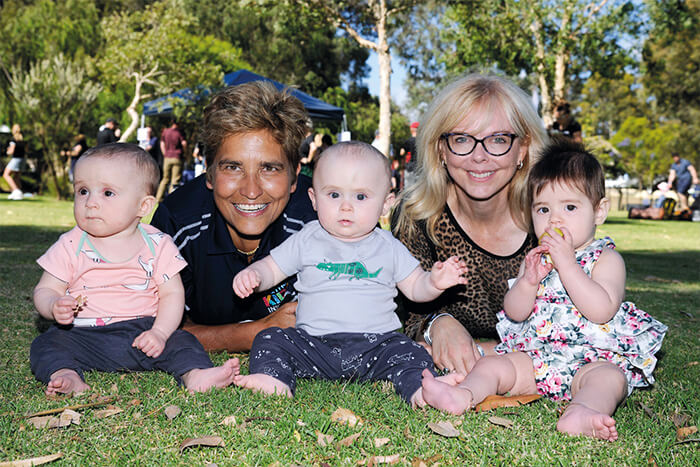
A collaboration between The Kids Research Institute Australia and Joondalup Health Campus is poised to be a game-changer for early childhood development.
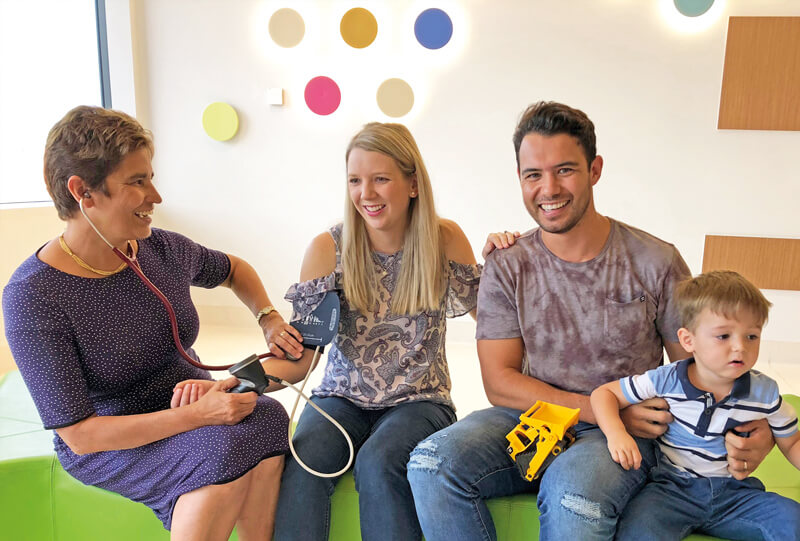
A Quinns Rocks family who became the 1000th family to sign up for the ORIGINS Project is excited to be contributing to such ground-breaking research.
The Early Human Capability Index is a holistic measure intended to capture early child development across diverse cultures and contexts.
o help raise the profile of student wellbeing in the education system in Australia, The Kids Research Institute Australia and SA Department for Education through the Fraser Mustard Centre, set out to adapt and trial a population-level student wellbeing measure that could be used across the entire public and p
Support services to the Department of Education and Training and the AEDC State and Territory Coordinators and their support staff across Australia.
The Language in Little Ones (LiLO) study is a five-year longitudinal study (2017-2021), funded through the National Health and Medical Research Council. The study investigates the quantity and quality of language exposure in the home environment during the first five years of a child’s life.
In South Australian schools, students in Grade 4 to 12 are invited to participate in an annual survey about their wellbeing and engagement in school, referred to as the Wellbeing and Engagement Collection.