
Search
Rheumatic heart disease (RHD) is the acquired autoimmune heart valve damage resulting from untreated infection with the Streptococcus pyogenes bacterium, which affects people experiencing socioeconomic disadvantage globally. This study measured RHD-associated major adverse cardiovascular events (MACE) and the increased risk associated with pregnancy among women diagnosed with RHD.
This study quantifies the short-term risk profiles of seven severe acute respiratory syndrome coronavirus 2 virus (SARS-CoV-2) vaccines-Comirnaty Bivalent BA.1, Comirnaty Bivalent BA.4-5, Comirnaty XBB.1.5, Spikevax Bivalent BA.1, Spikevax Bivalent BA.4-5, Spikevax XBB.1.5 and Nuvaxovid-administered as booster doses in Australia.
Tamara Chris Valerie Veselinovic Brennan-Jones Swift BSc(Hons) MClinAud PhD PhD Clinical Research Fellow Head, Ear and Hearing Health Aboriginal
Scabies and related bacterial skin and soft tissue infections are highly prevalent in many tropical, low- and middle-income settings. These skin conditions contribute to higher healthcare costs and burdens on healthcare systems.
B-cell epitope mapping is an approach that can identify and characterise specific antigen binding sites of B-cell receptors and secreted antibodies. The ability to determine the antigenic clusters of amino acids bound by B-cell clones provides unprecedented detail that will aid in developing novel and effective vaccine targets and therapeutic antibodies for various diseases.
Objectives: To investigate in a cluster-randomised trial whether a campaign with oral polio vaccine (C-OPV) reduced mortality and morbidity.
Despite the volume of accumulating knowledge from prospective Aboriginal cohort studies, longitudinal data describing developmental trajectories in health and well-being is limited.
Skin infections affect physical health and, through stigma, social-emotional health. When untreated, they can cause life-threatening conditions. We aimed to assess the effect of a holistic, co-designed, region-wide skin control programme on the prevalence of impetigo.
Tonsillectomy and adenoidectomy are two of the most commonly performed ENT procedures in children, with over 500,000 cases performed annually in the United States. Whilst generally considered a safe and well-tolerated operation, it is not without its risks and complications including pain, nausea, anorexia and most importantly bleeding and post-tonsillectomy haemorrhage.
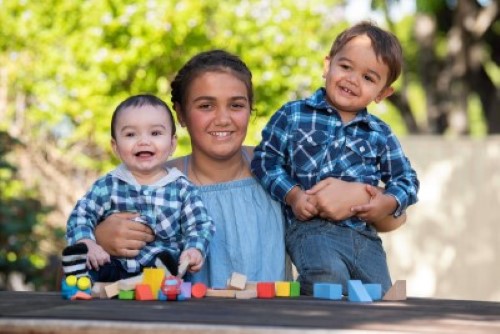
A new partnership between The Kids Research Institute Australia, Dr George Sim and St John of God Murdoch Hospital will offer essential surgery at no cost for a group of Aboriginal children suffering severe ear infections.