
Search
Multimodal modeling that combines biological and clinical data shows promise in predicting transition to psychosis in individuals who are at ultra-high risk. Individuals who transition to psychosis are known to have deficits at baseline in cognitive function and reductions in gray matter volume in multiple brain regions identified by magnetic resonance imaging.
Partial replacement of resident Aedes aegypti mosquitoes with introduced mosquitoes carrying certain strains of inherited Wolbachia symbionts can result in transmission blocking of dengue and other viruses of public health importance. Wolbachia strain wAlbB is an effective transmission blocker and stable at high temperatures, making it particularly suitable for hot tropical climates.
Complementary feeding induces dramatic ecological shifts in the infant gut microbiota toward more diverse compositions and functional metabolic capacities, with potential implications for immune and metabolic health. The aim of this study was to examine whether the age at which solid foods are introduced differentially affects the microbiota in predominantly breastfed infants compared with predominantly formula-fed infants.
Evidence suggests that children who had received an initial priming dose of whole-cell pertussis (wP) vaccine, rather than acellular pertussis (aP) vaccine, had a lower risk of developing IgE-mediated food allergy, the most common cause of anaphylaxis-related hospital presentations of childhood.
Patients with high-risk or metastatic Ewing sarcoma (ES) and rhabdomyosarcoma (RMS) have a guarded prognosis. High-dose chemotherapy (HDT) with autologous stem cell transplant (ASCT) has been evaluated as a treatment option to improve outcomes. However, survival benefits remain unclear, and treatment is associated with severe toxicities.
Siblings of individuals with neurodevelopmental conditions (NDCs) are a minority population at higher genetic and environmental risk of poorer neurocognitive and psychosocial outcomes compared to siblings of individuals without NDCs.
To investigate associations between interpregnancy intervals (IPIs) and adverse birth outcomes in twin pregnancies.
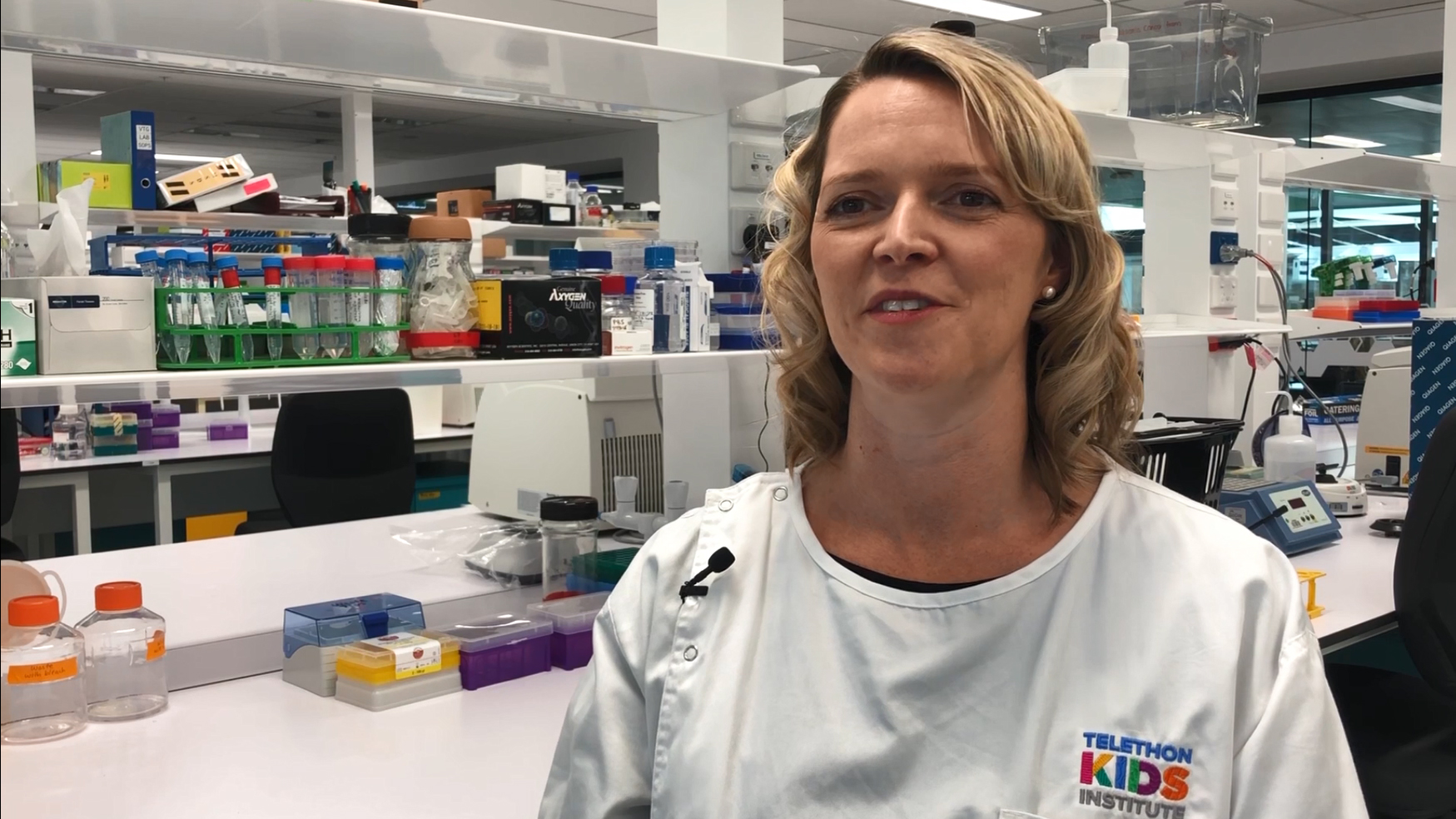
A nasal spray that could potentially prevent childhood ear infections and reduce antibiotic use is a step closer to clinical trials thanks to a $500,000 CUREator grant.

A first-of-its kind study has found that for every minute of screen time toddlers are exposed to at home, they hear fewer adult words, make fewer vocalisations and engage in fewer back-and-forth conversations with their parents.
Osteosarcoma (OS) is a malignant bone neoplasm plagued by poor prognosis. Major treatment strategies include chemotherapy, radiotherapy, and surgery. Chemotherapy to treat OS has severe adverse effects due to systemic toxicity to healthy cells. A possible way to overcome the limitation is to utilize nanotechnology. Nanotherapeutics is an emerging approach in treating OS using nanoparticulate drug delivery systems.