
Search
Aboriginal children and families contend with higher rates of preventable infectious diseases that can be attributed to their immediate living environment. The environments in which children spend most of their time are their homes and schools. We aimed to understand the opportunities in the school setting to support student skin health and wellbeing through environmental health activities, how these activities were completed, and the barriers to their implementation.
Cytokines of the TGF-β superfamily control essential cell fate decisions via receptor regulated SMAD (R-SMAD) transcription factors. Ligand-induced R-SMAD phosphorylation in the cytosol triggers their activation and nuclear accumulation. We determine how R-SMADs are inactivated by dephosphorylation in the cell nucleus to counteract signaling by TGF-β superfamily ligands.
In Western Australia (WA) social activities occur in aquatic environments where alcohol promotion and consumption may be prevalent creating an aquatic alcogenic environment. This poses a challenge for drowning prevention efforts.
Viral infections are associated with significant morbidity and mortality in neonates. The COVID-19 pandemic led to changes in viral epidemiology in Western Australia. The impact on patients in neonatal intensive care is uncertain.
Arboviruses transmitted mainly by Aedes (Stegomyia) aegypti and Ae. albopictus, including dengue, chikungunya, and Zika viruses, and yellow fever virus in urban settings, pose an escalating global threat. Existing risk maps, often hampered by surveillance biases, may underestimate or misrepresent the true distribution of these diseases and do not incorporate epidemiological similarities despite shared vector species.
A birth acellular pertussis vaccine may be a valuable alternative for immunity against infant pertussis when a pregnancy pertussis vaccine has not been administered. We assessed whether a birth dose may impair immunoglobulin G (IgG) responses to childhood pertussis boosters.
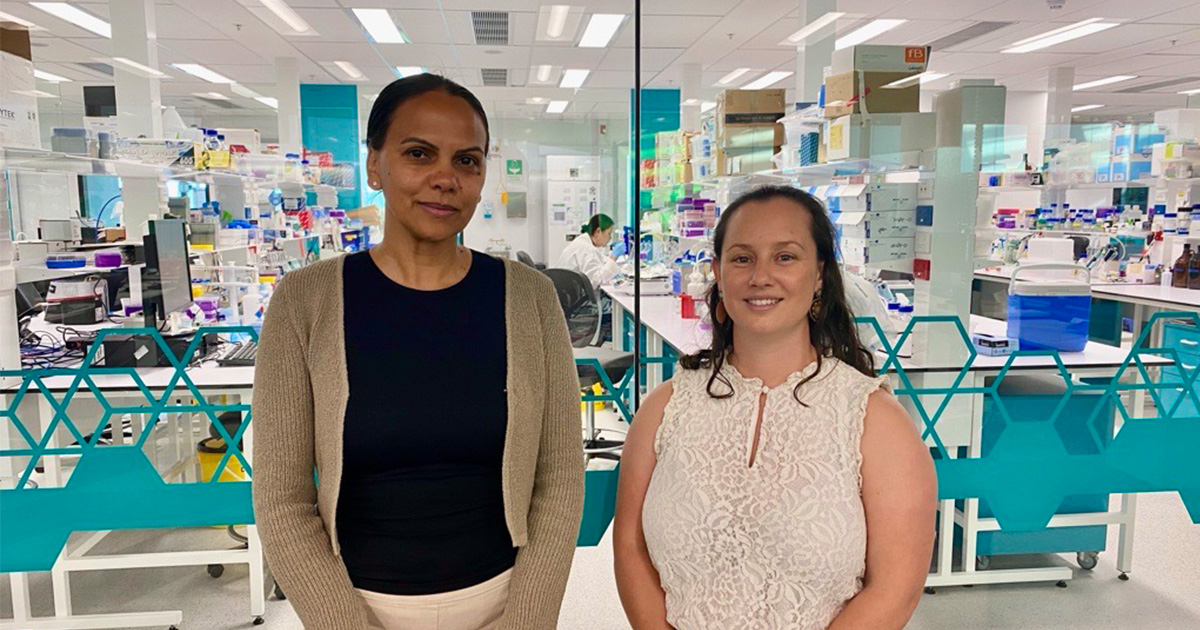
A review led by the First Nations Childhood Cancer team at The Kids Research Institute Australia has highlighted the urgent need for Indigenous-specific studies focused on cancer outcomes, survivorship and equity.
Immunoneoadjuvant therapy has gained significant attention due to its remarkable advancements in cancer treatment. This study aimed to investigate the molecular mechanisms underlying immunoneoadjuvant therapy through a comprehensive multiomics analysis of samples from a registered clinical trial cohort.
Parents of children with acute lymphoblastic leukaemia (ALL) experience emotional distress throughout their child's treatment course. This study describes the psychological experience of Australian and New Zealand parents of children diagnosed with ALL.
To assess the impact of implementing a sepsis pathway and education program on key sepsis outcomes and performance targets in a tertiary paediatric hospital.