
Search
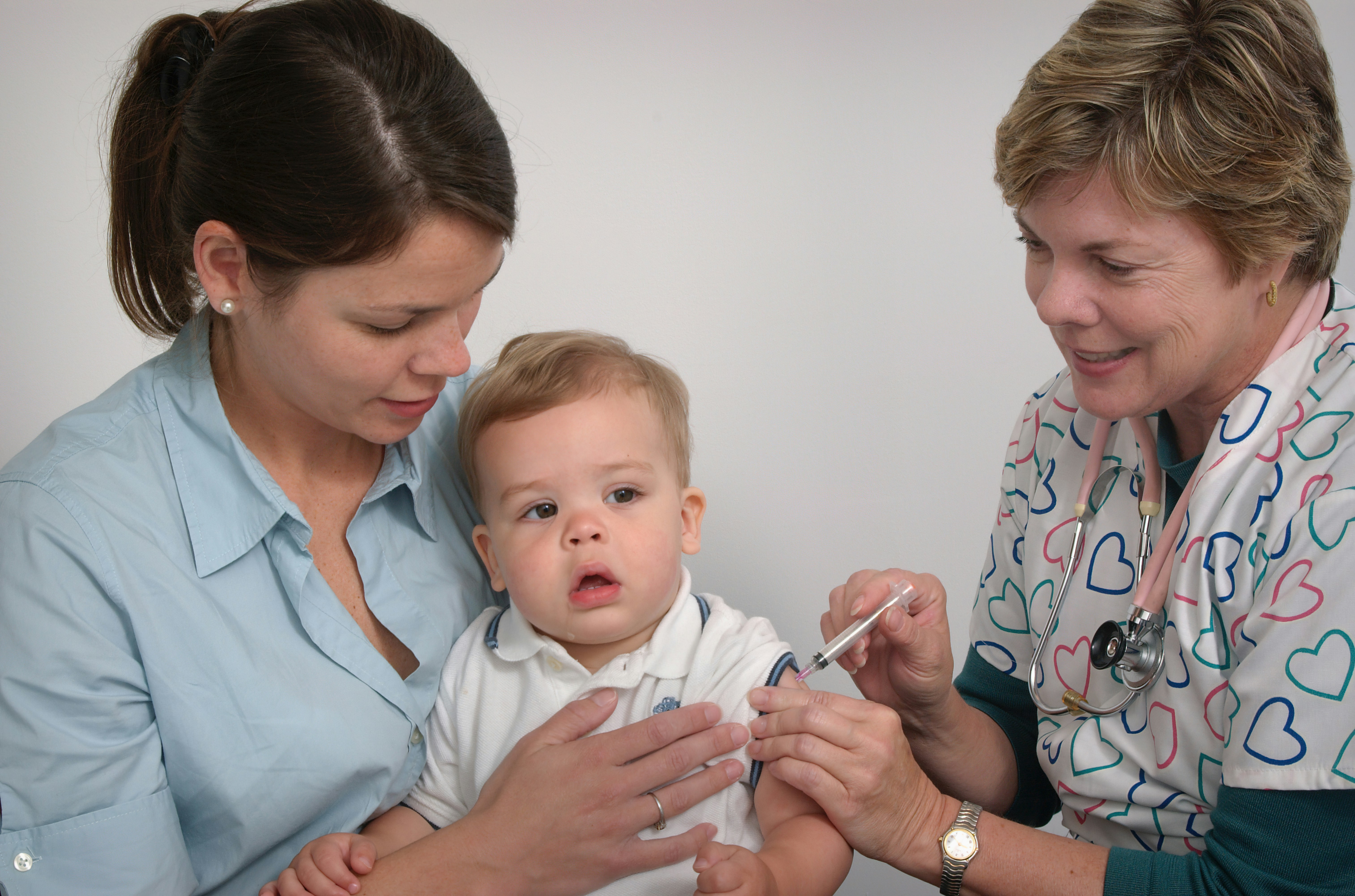
Researchers at The Kids Research Institute Australia have helped map the global impact of life saving vaccines to mark the 50-year anniversary of the Expanded Programme on Immunisation (EPI).

Four The Kids Research Institute Australia researchers have been awarded $8.8 million in prestigious Investigator Grants from the National Health and Medical Research Council to pursue innovative child health research focused on autism, childhood cancer, skin health, and Aboriginal genomics.
Invasive Group B Streptococcus remains a leading cause of infant morbidity and mortality. Intrapartum antibiotic prophylaxis has been implemented in many countries with a reduction in early-onset disease, but an effective vaccine may further reduce the disease burden. Candidate vaccines targeting capsular polysaccharides and surface proteins are now in clinical trials.
Gratitude has consistently been associated with various beneficial health-related outcomes, including subjective wellbeing, positive mental health, and positive physical health. In light of such effects, positive psychology researchers and practitioners have often implemented gratitude interventions in an attempt to build individuals' orientations toward appreciation and thankfulness. Recent meta-analyses and reviews have revealed, however, that these interventions often have mixed effects on gratitude or other health outcomes.
To explore data availability, perceived relevance, acceptability and feasibility of implementing 52 draft indicators for adolescent health measurement in different countries globally.
Citation: Keogh SC, Guthold R, Newby H, …….. Azzopardi P, Fagan L, et al. Filling Gaps in Adolescent Health Measurement: Taking Stock of Progress and
To improve adolescent health measurement, the Global Action for the Measurement of Adolescent health (GAMA) Advisory Group was formed in 2018 and published a draft list of 52 indicators across six adolescent health domains in 2022. We describe the process and results of selecting the adolescent health indicators recommended by GAMA (hereafter, “GAMA-recommended indicators”).

With the school year now well underway, it’s not uncommon for kids to start feeling the stress of assignments, homework and extracurricular activities.
Immune checkpoint therapy (ICT) causes durable tumour responses in a subgroup of patients, but it is not well known how T cell receptor beta (TCRβ) repertoire dynamics contribute to the therapeutic response.
With cochlear implantation becoming increasingly performed worldwide, an understanding of the risk factors, preventive measures, and management of cochlear implant (CI) infection remains important given the significant morbidity and cost it conveys.