
Search
Showing results for "early life"
Manage a new epidemiological study aimed at reducing preventable mortality in early life, using novel linked health data
This study explored mental health profiles in Australian school students using indicators of well-being (i.e., optimism, life satisfaction, and happiness) and psychological distress (i.e., sadness and worries). The sample included 75,757 students (ages 8-18 years) who completed the 2019 South Australian Wellbeing and Engagement Collection.
Early infancy oral vitamin D supplementation does not appear to reduce the development of early childhood allergic disease
Neonatal sepsis remains one of the key challenges of neonatal medicine, and together with preterm birth, causes almost 50% of all deaths globally for children younger than 5 years. Compared with advances achieved for other serious neonatal and early childhood conditions globally, progress in reducing neonatal sepsis has been much slower, especially in low-resource settings that have the highest burden of neonatal sepsis morbidity and mortality.
We sought to determine risk factors for the onset of bronchiectasis, using data collected by the Australian Respiratory Early Surveillance Team for Cystic...
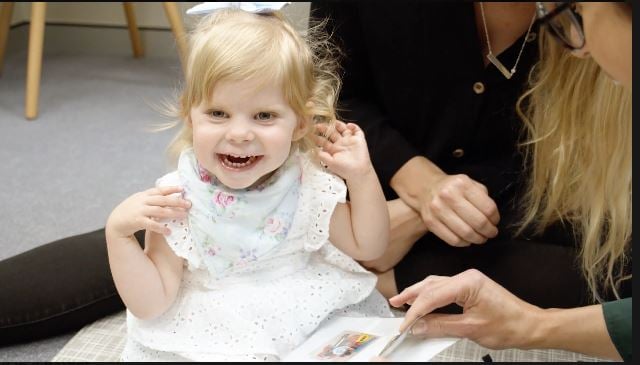
Communicating with and Understanding your Baby

A picture of early childhood services in Tasmania from birth to age five
Early life feeding practices have an influence on motor development outcomes into late childhood and adolescence independent of sociodemographic factors

Initial acquisition and succession of the cystic fibrosis lung microbiome is associated with disease progression in infants and preschool children
Studies addressing the ontogeny of the innate immune system in early life have reported mainly on Toll-like receptor (TLR) responses in infants living in...