
Search
ADHD has been associated with impaired central nervous dopaminergic pathways. Brain iron is an essential cofactor for the synthesis of dopamine and the substantia nigra (SN) is a significant pool of dopaminergic neurons playing a central role in the activity of the nigrostriatal pathway. The present study investigated SN iron content in children with ADHD, its relationship with ADHD symptom severity and cognitive performance.
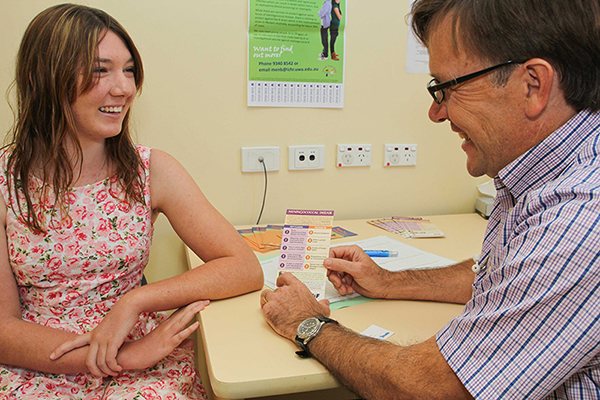
Meningococcal disease is caused by the bacteria Neisseria meningitidis, or 'meningococcus'. It is an uncommon but very serious disease that can result in death if not recognised and treated quickly.
Staphylococcus aureus bacteremia (SAB) is the most common cause of childhood sepsis contributing to pediatric intensive care unit admission. The cost of adult SAB hospitalization is well described globally, but limited costing information is available for children. To bridge this knowledge gap, we investigated the cost of hospitalization in children with SAB in Australia.
Research on the health literacy of parents with children with intellectual disability is limited. Understanding parents' healthcare skills and needs is essential for improving children's health and developing effective support. In this study we aimed to (1) explore the health literacy skills of parents that enabled them to support the health needs of their child with intellectual disability and the factors influencing these skills, and (2) identify opportunities to support parent health literacy.
Information on factors contributing to quality of life (QOL) informs meaningful patient-centred care. We evaluated factors influencing QOL in individuals with developmental and epileptic encephalopathy (DEE) and other severe neurodevelopmental encephalopathy conditions using hypothesis-free regression tree analysis.
Human milk is a rich source of immunomodulatory factors that influence the development of the infant immune system, including susceptibility to allergic diseases. Among these components, milk antibodies have been extensively studied for their role in protecting against infections; however, their potential contribution to allergy prevention may be equally important. The mechanisms of protection include allergen exclusion, enhanced and targeted antigen presentation, immune modulation via shaping of the infant gut microbiome, and direct regulation of gut immune responses.
Urine is an attractive biospecimen for nutritional status and population health surveys. It is an excellent non-invasive alternative to blood for appropriate biomarkers in young children and is suitable for home-based collection, enabling representative collections across a population. However, the bulk of literature in this population is restricted to collection in primary care settings.
There is currently limited data regarding the physical activity behaviors of trans and gender diverse people (including binary and non-binary identities; henceforth trans). The aim of this review was to synthesize the existing literature in this area, with a focus on physical activity behaviors as they relate to health (e.g. health benefits, risks of adverse health outcomes).
As COVID-19 vaccinations rolled out globally from late 2020, rules and recommendations regarding vaccine use in pregnancy shifted rapidly. Pre-registration COVID-19 vaccine trials excluded those who were pregnant. Initial Australian medical advice did not routinely recommend COVID-19 vaccines in pregnancy, due to limited safety data and little perceived risk of local transmission.
Community perception of vaccine safety influences vaccine uptake. Our objective was to assess current vaccine safety monitoring by examining factors that may influence the availability of post-vaccination survey data, and thereby the specificity and sensitivity of existing signal detection methods.