
Search
Aboriginal mum and child
News headlines about the large number of life-threatening cases of the flu in Western Australia this winter have been hard to miss - find out what you can do to protect your family.
Leading infectious diseases researcher, Clinical Associate Professor Deborah Lehmann AO, has been named a finalist for the Australian Museum Eureka Prizes for her work training and mentoring a new generation of researchers.
The Kids Research Institute Australia researchers leading the Western Australian site of a global respiratory syncytial virus (RSV) study can now fine-tune development of a world-first vaccine for pregnant mothers.
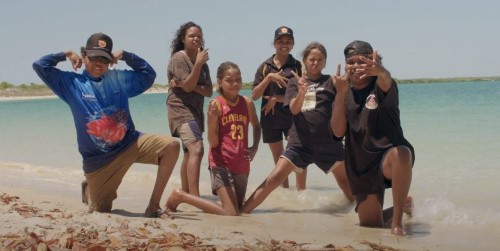
The Kids Research Institute Australia researchers have launched the Hip Hop 2 SToP video featuring school kids participating in their SToP Trial project designed to see, treat and prevent skin infections in WA’s Kimberley region.
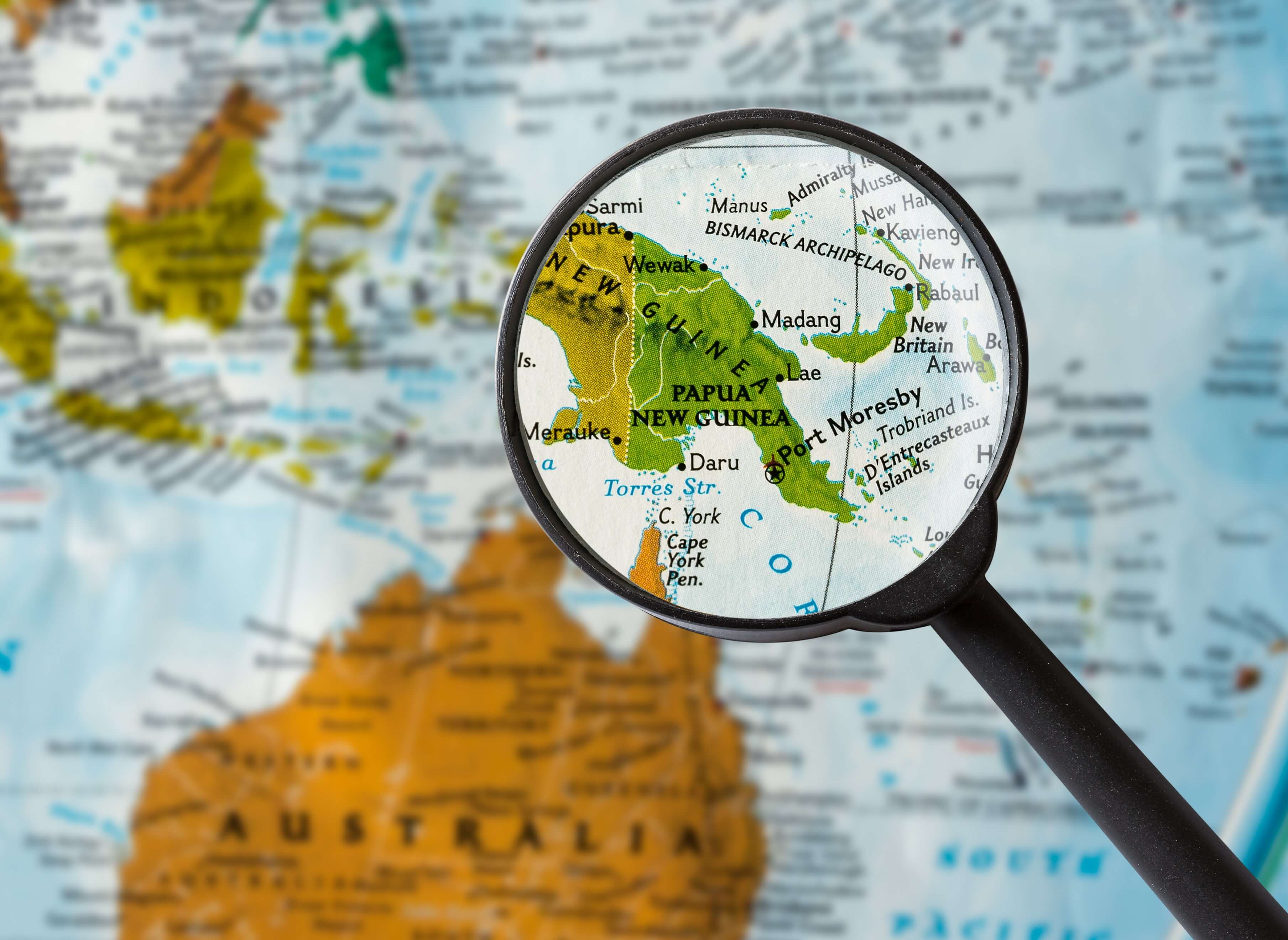
Thousands of children born in Papua New Guinea (PNG) no longer face a future cut short by severe pneumonia, thanks to the introduction of pneumococcal vaccination as part of the country’s National Immunisation Program.
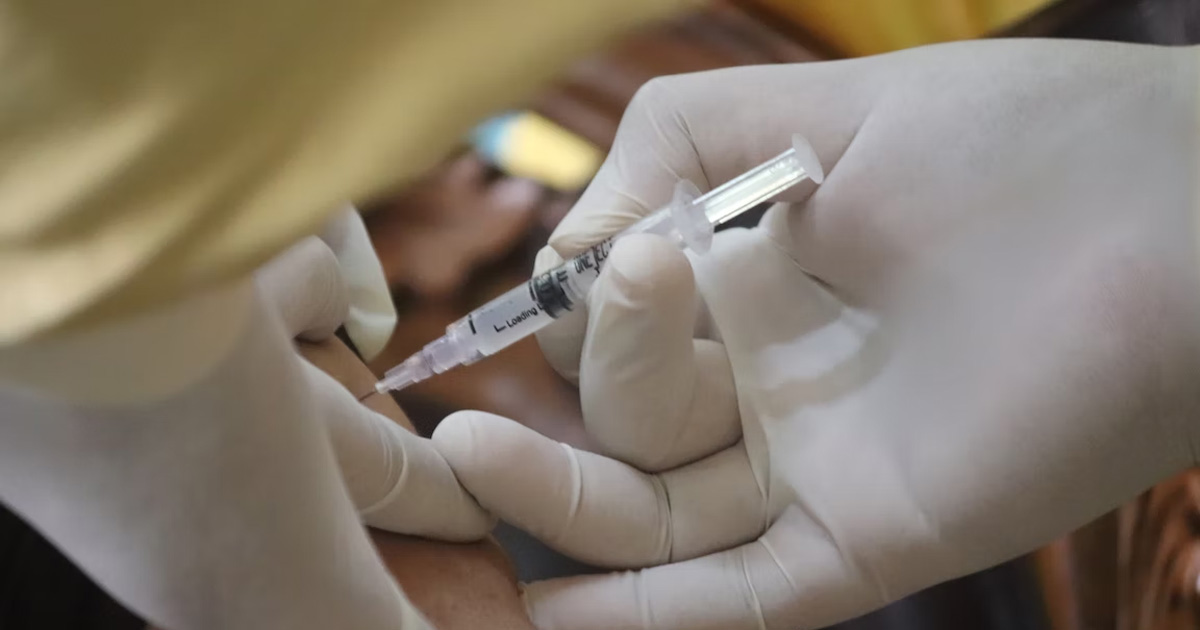
A world-first study has found a new vaccine against potentially deadly respiratory syncytial virus (RSV) is safe and effective for use in pregnant women, to help protect their babies.
An international study examining Covid-19 severity on hospitalised children and adolescents has found that as the virus became more infectious, intensive care admissions dropped across multiple age groups regardless of vaccination status.
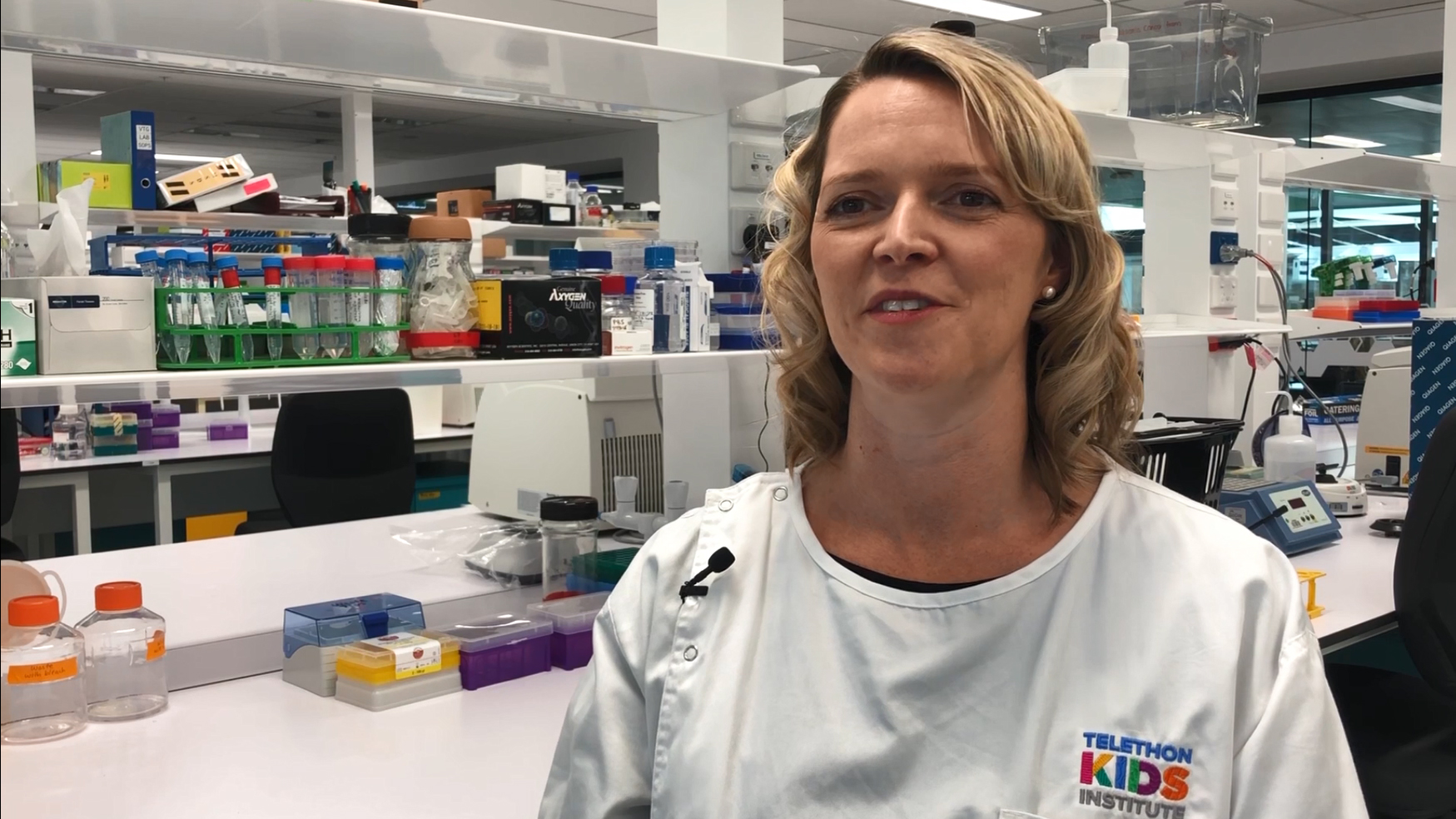
A nasal spray that could potentially prevent childhood ear infections and reduce antibiotic use is a step closer to clinical trials thanks to a $500,000 CUREator grant.
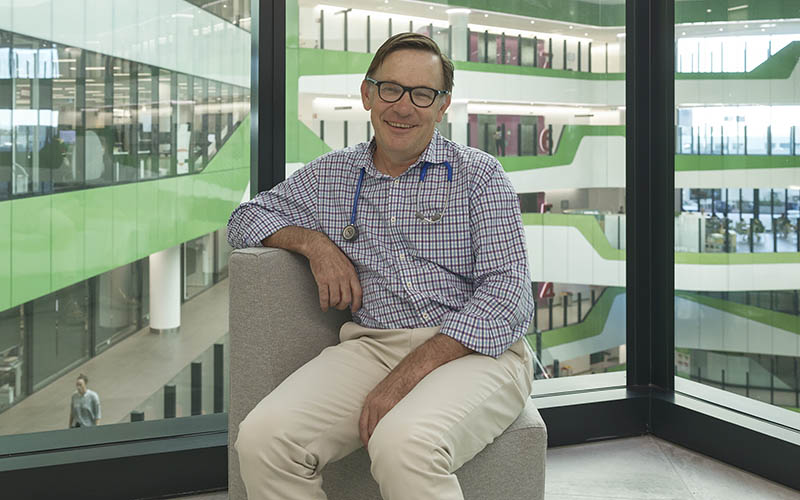
Global circulation of respiratory syncytial virus (RSV) is shaped by human air travel with travellers hosting new strains fuelling transmission across borders, an international The Kids Research Institute Australia study found.