
Search
Showing results for "early life"
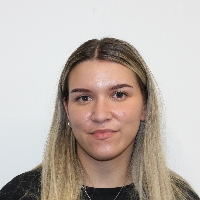
Jaida Penny is an Indigenous Research Assistant with the Early Neurodevelopment and Mental Health team at The Kids Research Institute Australia.

Rhinovirus infection is associated with airway epithelial cell necrosis and inflammation via interleukin-1 in young children with cystic fibrosis
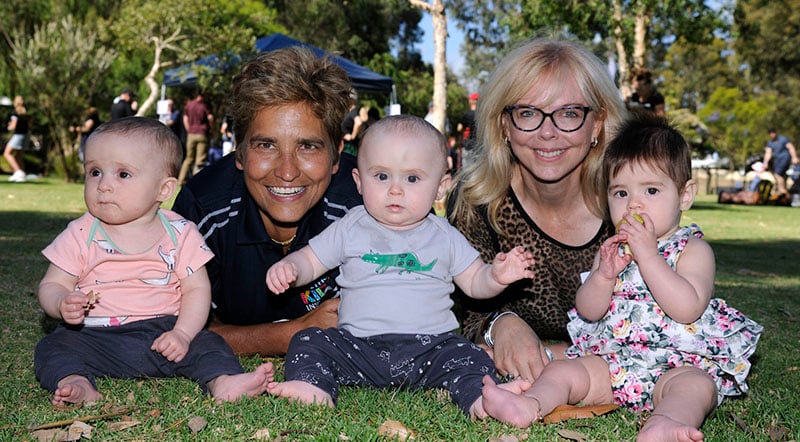
The Federal Government has joined with the Paul Ramsay Foundation to fund the project, with each pledging $13 million over 10 years.
We are studying immune cells from identical twins of which one suffers and one does not suffer from allergic disease to identify specific mechanisms that may play important roles in disease development.

Honorary Research Associate
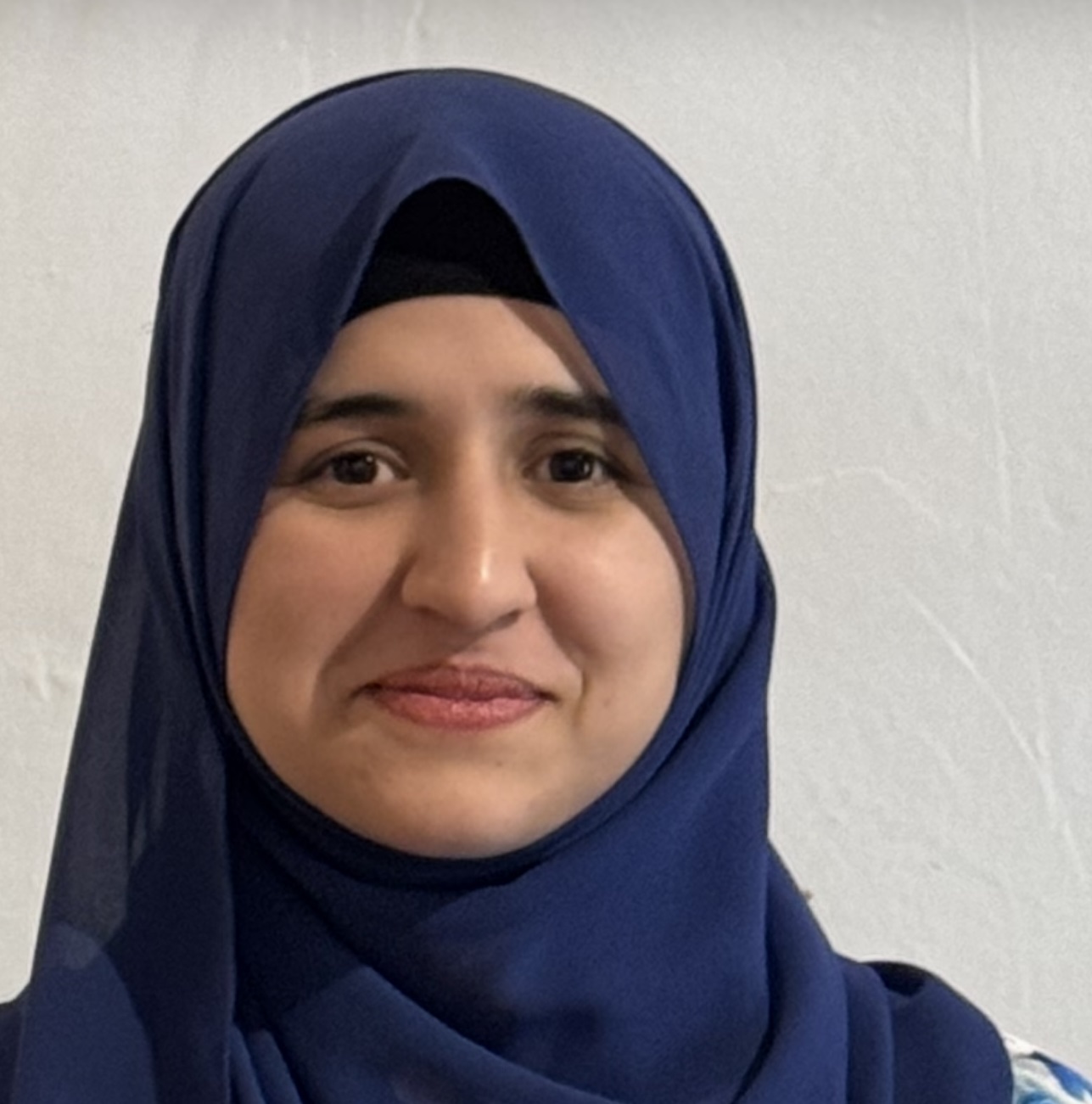
Maryam Sajjad Research Assistant Child Physical Activity, Health, and Development Team
Investigators: Raphael Watt (student) This project will explore whether the metabolic products of a healthy gut microbiota support anti-microbial
While the majority of young people who meet the criteria for being considered at increased risk of psychosis do not go on to develop a psychotic disorder, young people are currently being identified and treated in early intervention services.
This study explored mental health profiles in Australian school students using indicators of well-being (i.e., optimism, life satisfaction, and happiness) and psychological distress (i.e., sadness and worries). The sample included 75,757 students (ages 8-18 years) who completed the 2019 South Australian Wellbeing and Engagement Collection.
Neonatal sepsis remains one of the key challenges of neonatal medicine, and together with preterm birth, causes almost 50% of all deaths globally for children younger than 5 years. Compared with advances achieved for other serious neonatal and early childhood conditions globally, progress in reducing neonatal sepsis has been much slower, especially in low-resource settings that have the highest burden of neonatal sepsis morbidity and mortality.