
Search
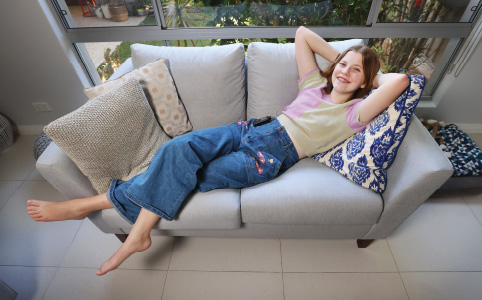
Lucia Wright is a happy, confident 16-year-old who loves her family, friends, drama, science and making the most of her newfound independence.
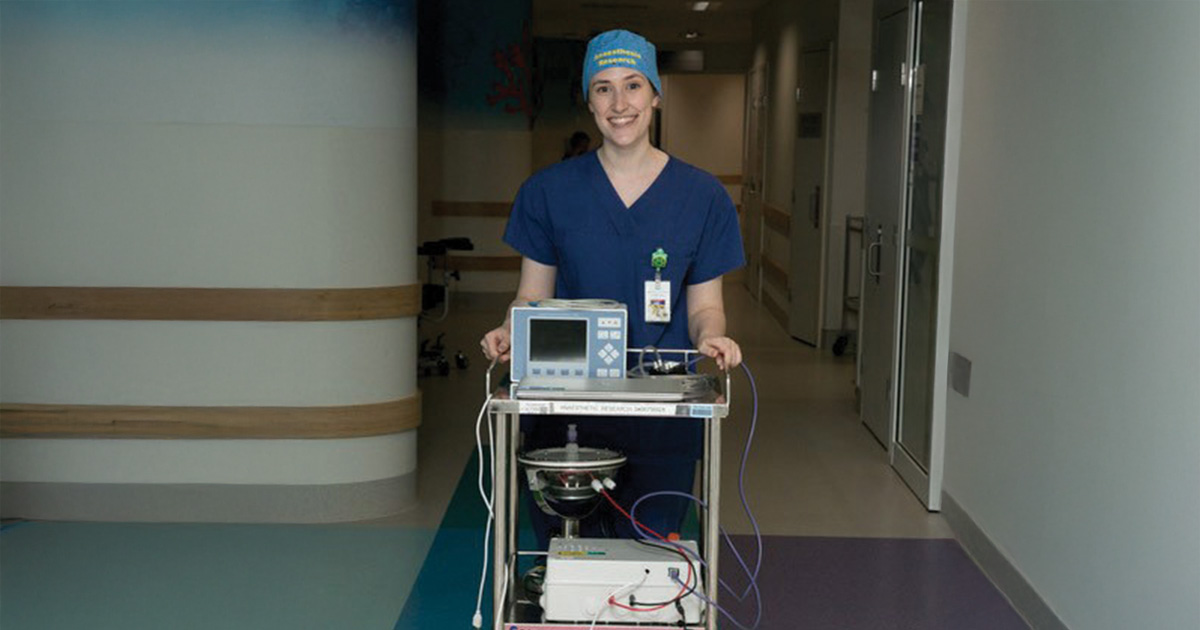
When kids are having surgery, the most common problem that can occur during anaesthesia is a respiratory adverse event.
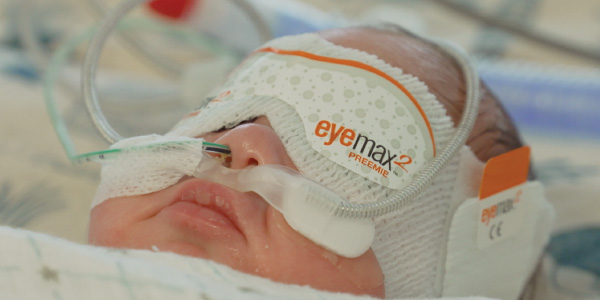
A simple set of eye masks and ear plugs – an inexpensive solution explored in a successful pilot study by The Kids Research Institute Australia, together with the Child and Adolescent Health Service – could hold the key to better outcomes for our tiniest bubs. Now, a nationwide clinical trial is testing the idea
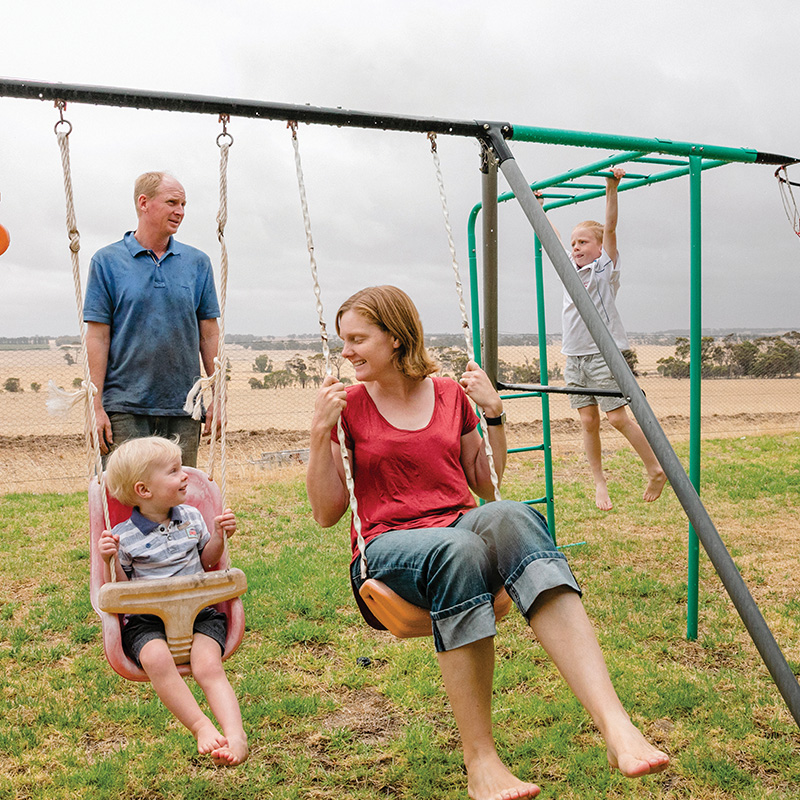
Communities in the Central Great Southern region have known for years that dental health is a major issue for the smallest residents of their towns.
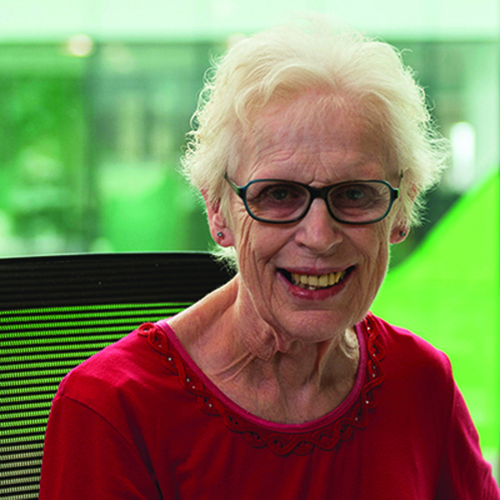
The Kids Research Institute Australia disability researcher, Associate Professor Helen Leonard, played an important role in the identification of the differences that define CDD, thanks to her extensive experience researching Rett syndrome and running an Australian online database tracking Rett cases.
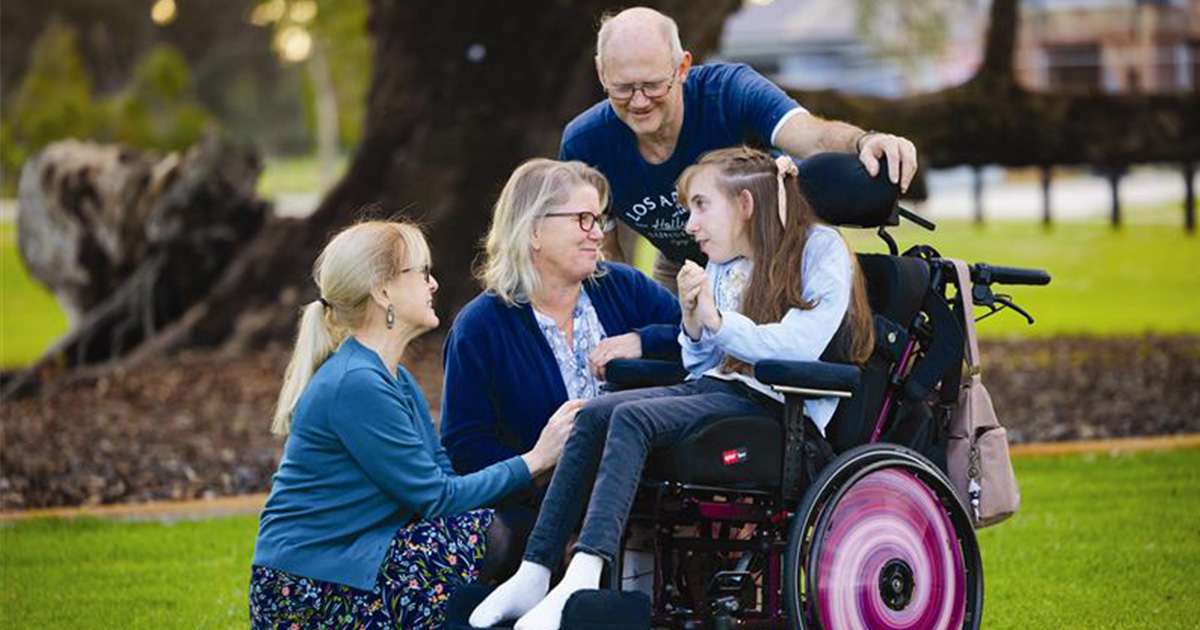
Affecting approximately 400 people in Australia, Rett syndrome is a rare neurological disorder that occurs almost exclusively in girls and affects mobility and development, impacting everything from walking and talking to eating and breathing.
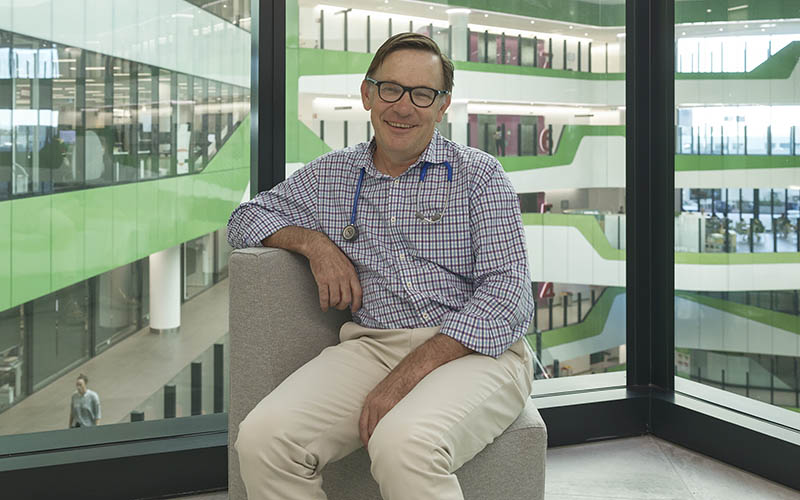
Pneumococcal – a bacterial infection that can cause pneumonia and meningitis – is responsible for 1000s of hospital admissions in Australia each year, many of them children.

The Walkern Katatdjin (Rainbow Knowledge) project has produced a suite of resources to help services become more inclusive.
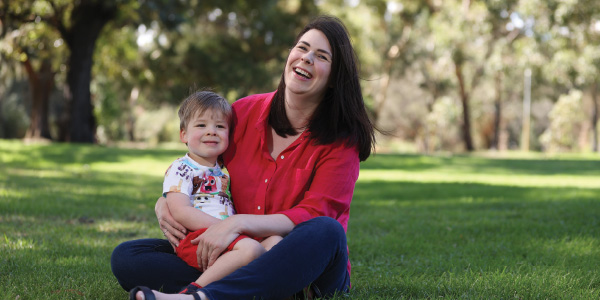
Amy Bertinshaw had a choice between ‘wait and see’ or seek help when she noticed her son Stirling was slower to meet developmental milestones at age 12 months.
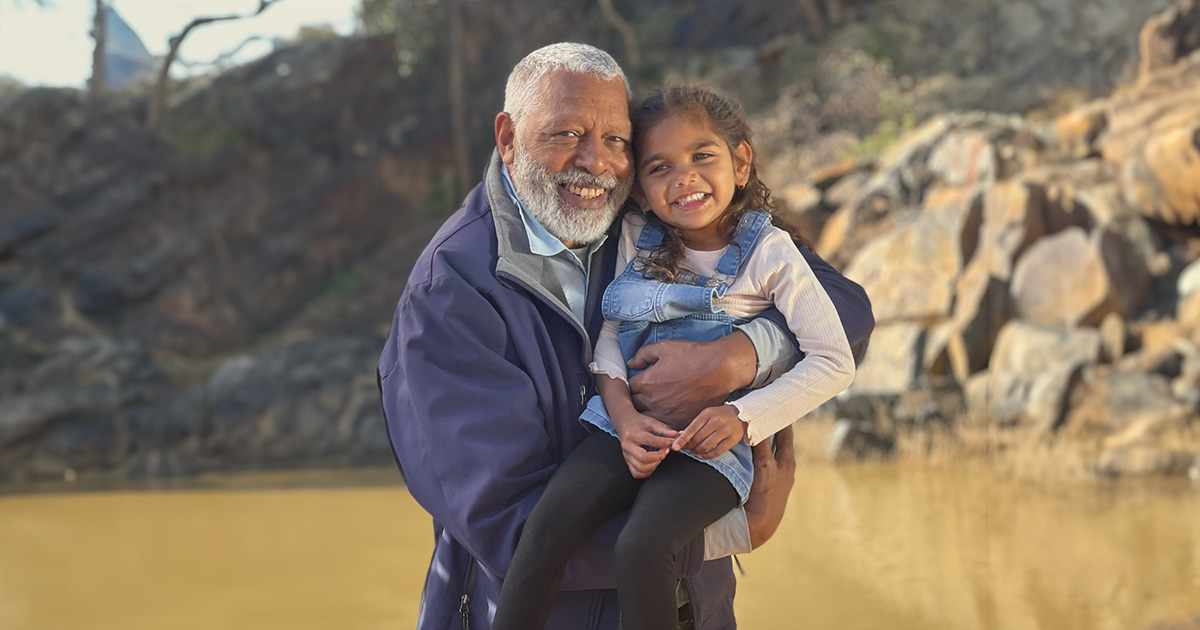
A public health campaign to raise awareness about the dangers of chronic wet cough in Aboriginal children is helping to improve detection, diagnosis and management of the condition.