
Search
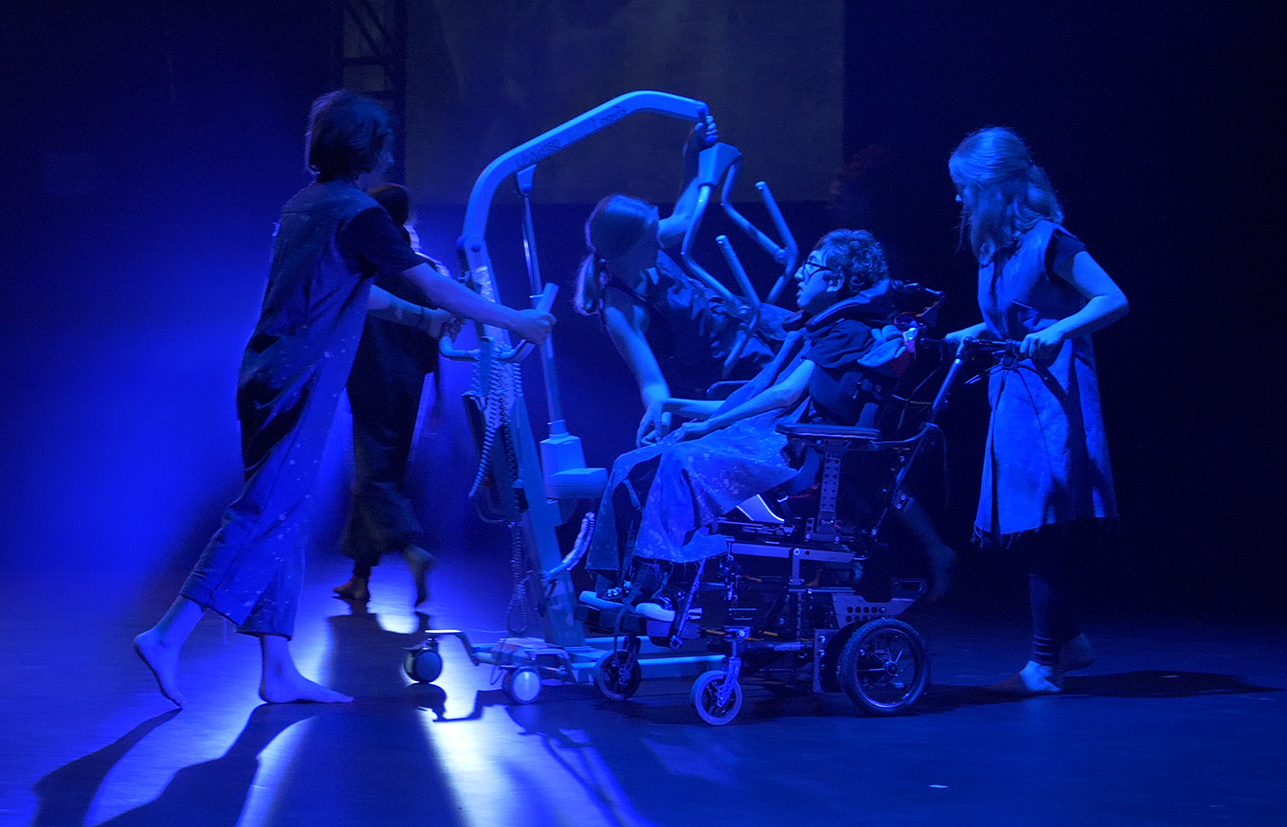
A quality of life tool developed by disability researcher Jenny Downs is helping to reveal the difference specific interventions can make to the lives of children and families living with disability.
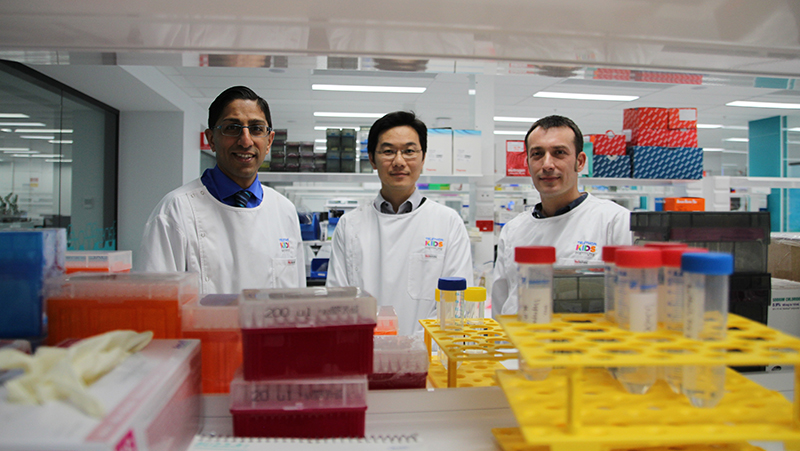
Kids born with Down syndrome are at high risk of an array of health problems – including issues with sight, hearing, heart defects, bone complications, immune disorders and learning difficulties.
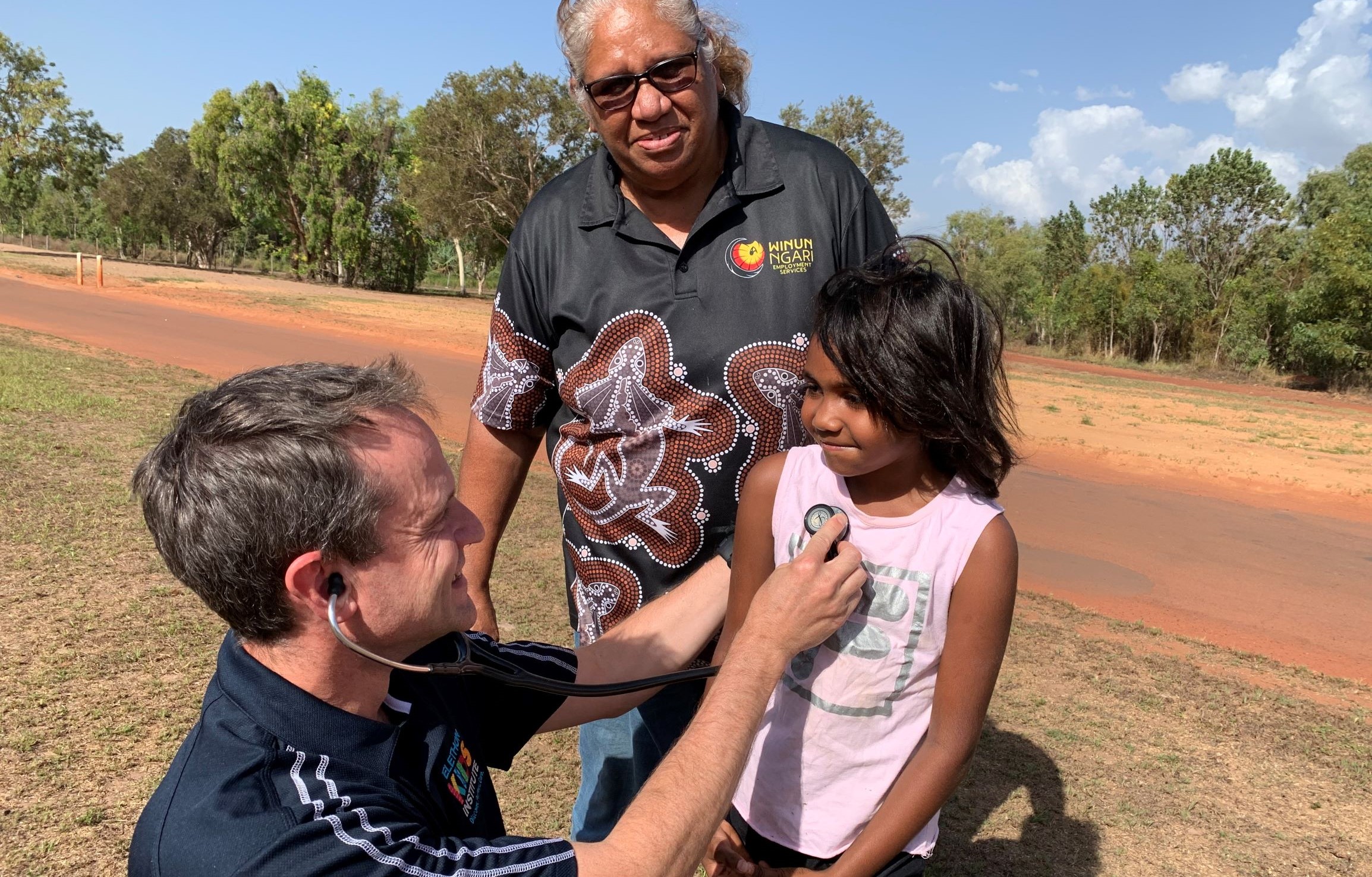
Results from a world first-study measuring prevalence of chronic wet cough and protracted bacterial bronchitis in four Kimberley Aboriginal communities have highlighted the enormity of the health problem.
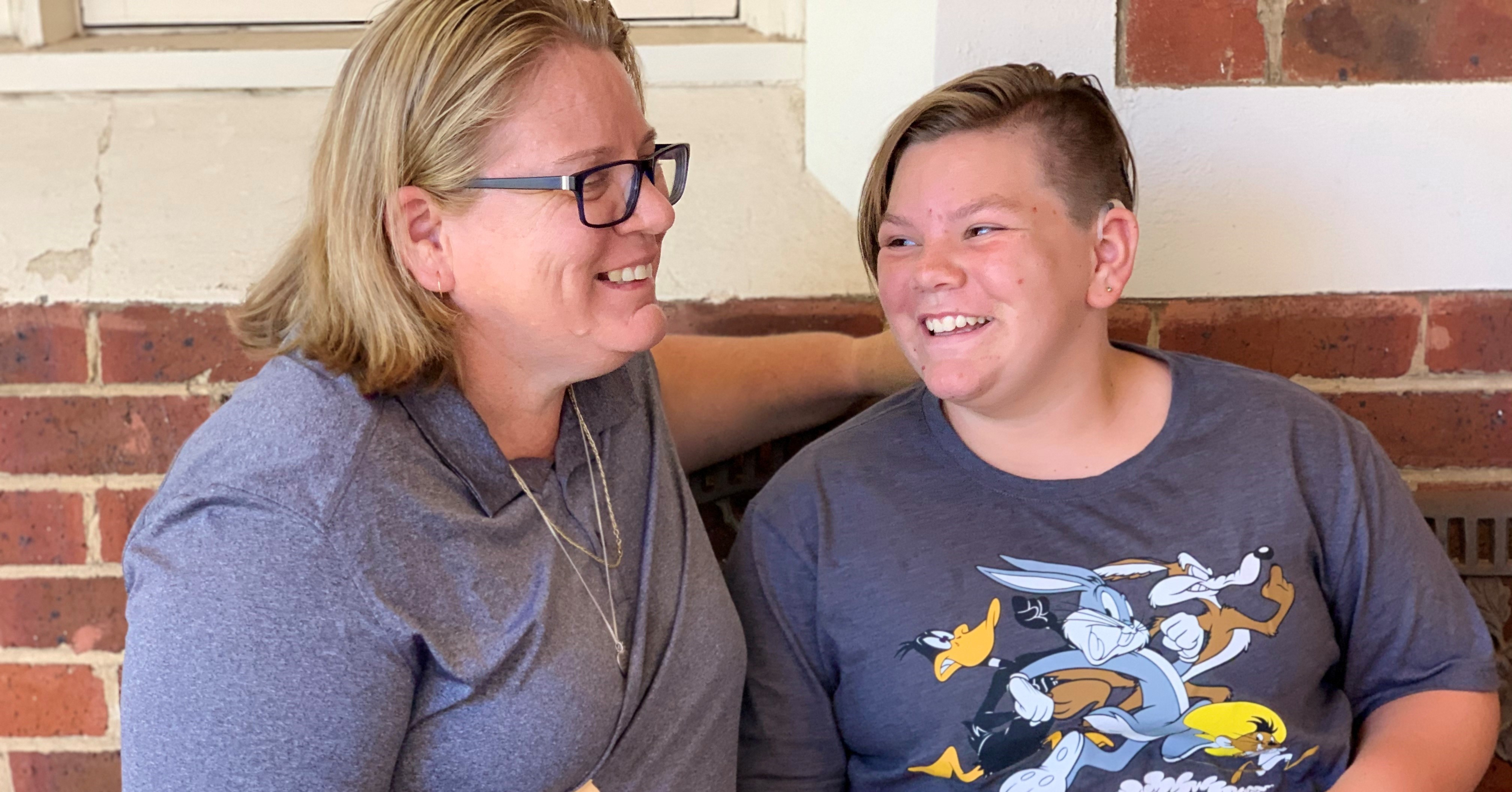
Adolescence can be challenging for all kids, but especially for those who are Deaf or hard-of-hearing. New resources developed by The Kids Research Institute Australia aim to make life a little easier.
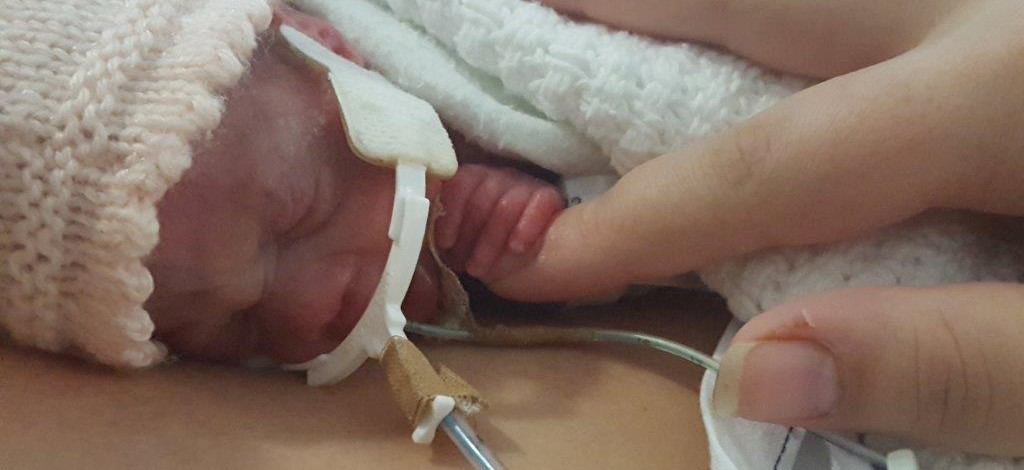
When KEMH specialists first suggested using coconut oil to treat the fragile skin of Kimberly Rohrlach’s extremely premature first-born child, Isabella, she thought it was more than a little weird.
The first ever National Healthy Skin Guideline has become the gold standard for the treatment, prevention and public health control of skin infections in Indigenous populations in Australia and provides a positive framework for healthy skin.
The MINERvA Network will allow more accurate and precise determination of the contributions of familial and environmental factors to the etiology of autism.
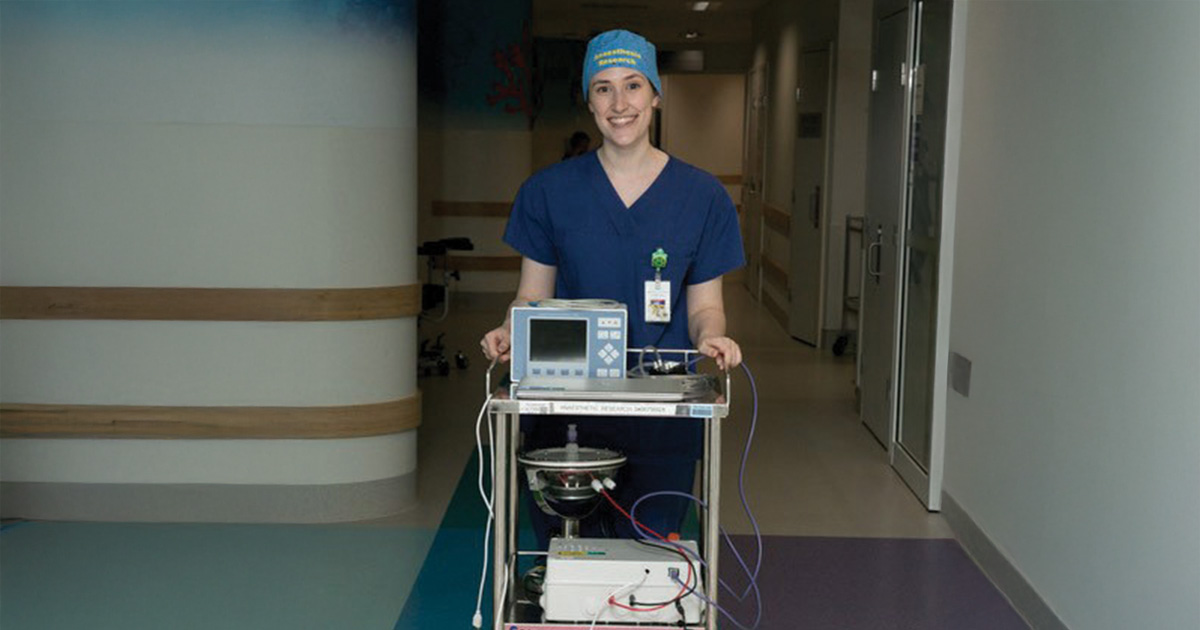
When kids are having surgery, the most common problem that can occur during anaesthesia is a respiratory adverse event.
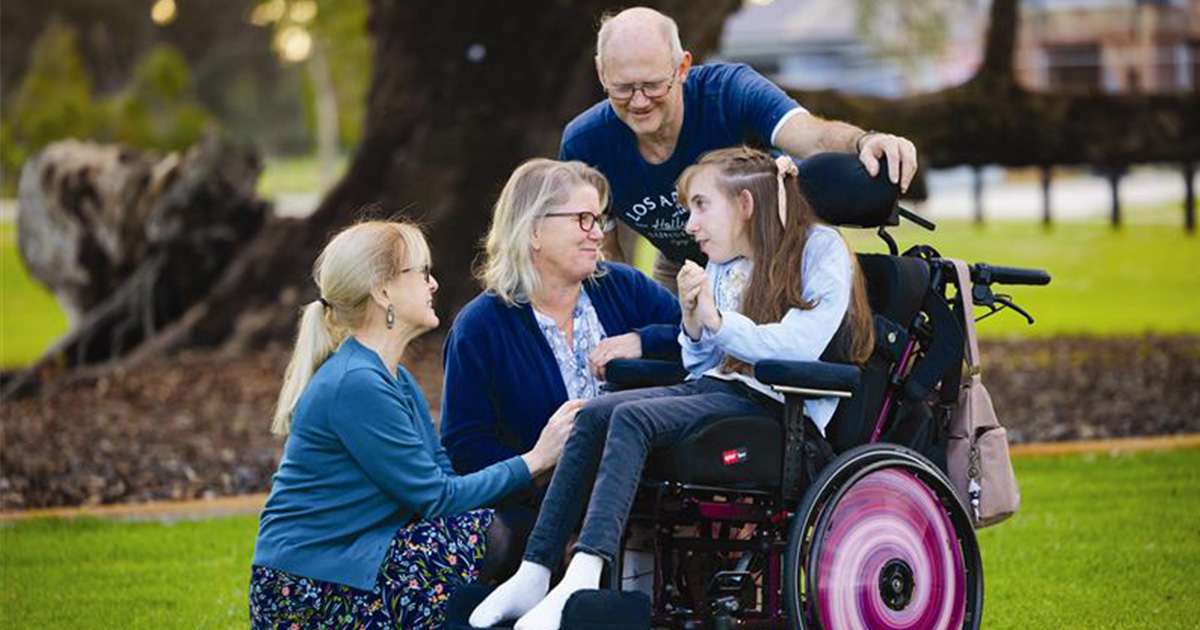
Affecting approximately 400 people in Australia, Rett syndrome is a rare neurological disorder that occurs almost exclusively in girls and affects mobility and development, impacting everything from walking and talking to eating and breathing.
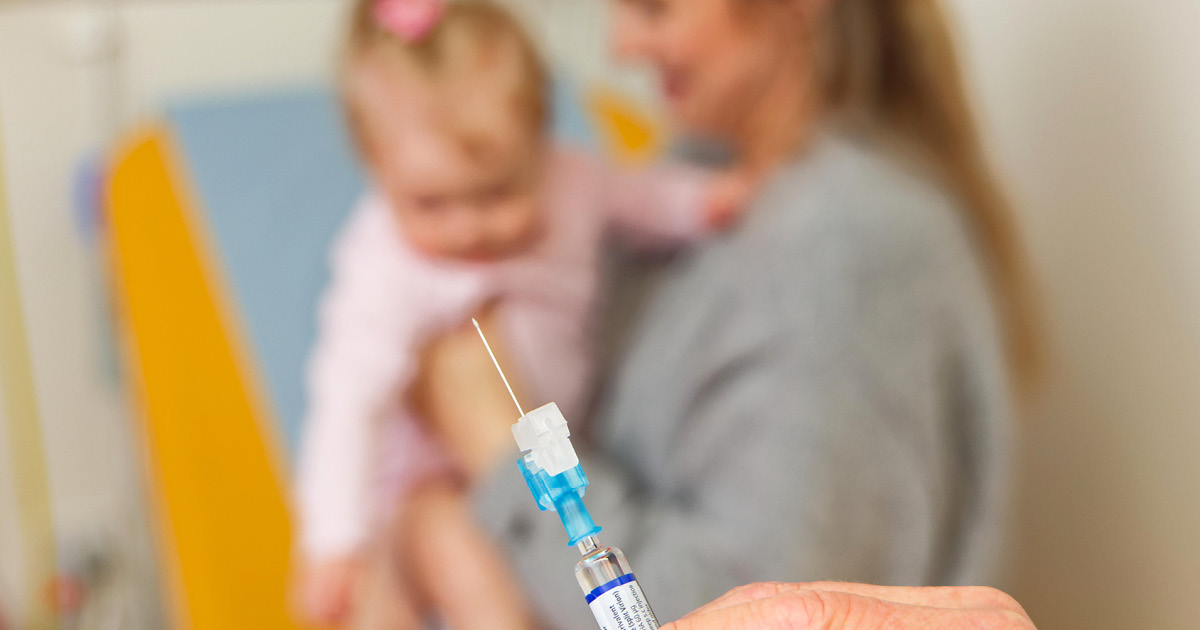
As a leading research site in Australia, the Wesfarmers Centre of Vaccines and Infectious Diseases played an instrumental role in the global effort to develop a world-first RSV immunisation for young babies.