
Search

World-first immunisations providing protection against deadly respiratory syncytial virus (RSV) could be just months away thanks to global research efforts spanning multiple decades.
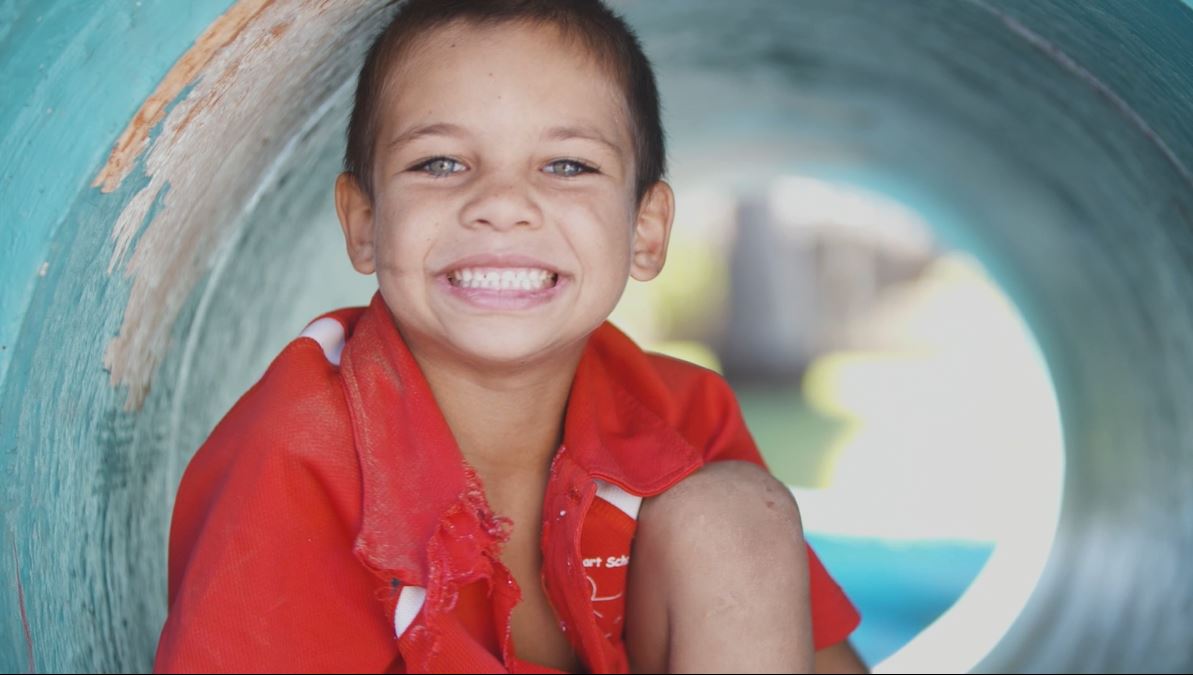
Researchers from The Kids Research Institute Australia are joining forces with international experts in acute rheumatic fever (ARF) and rheumatic heart disease (RHD) to transform the diagnosis of these diseases thanks to an $US8 million grant from the Leducq Foundation.
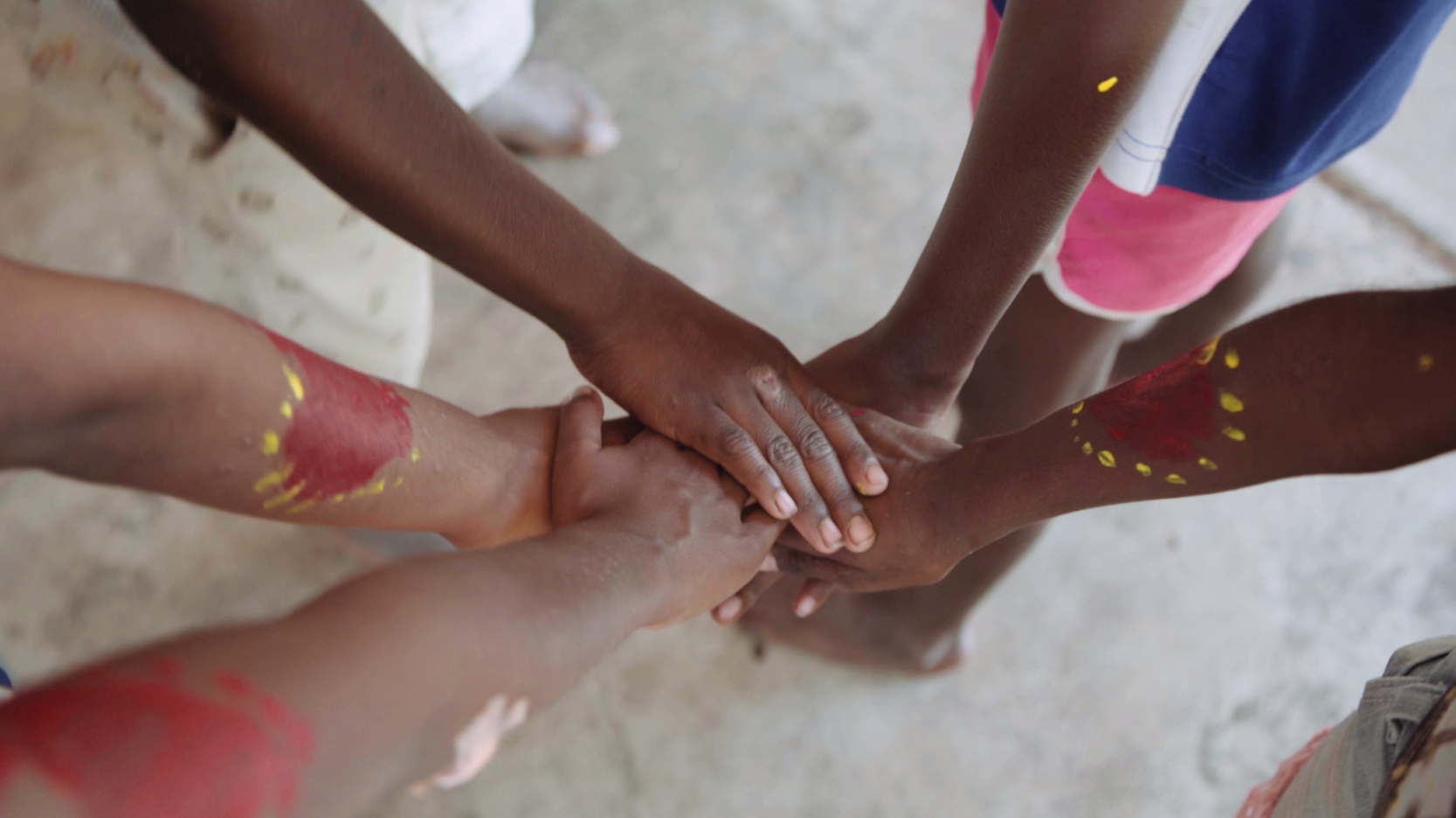
Young Aboriginal and Torres Strait Islander people receiving long-term, painful injections to prevent deadly complications from rheumatic heart disease (RHD) will design their own optimum treatment program thanks to latest research at The Kids Research Institute Australia.
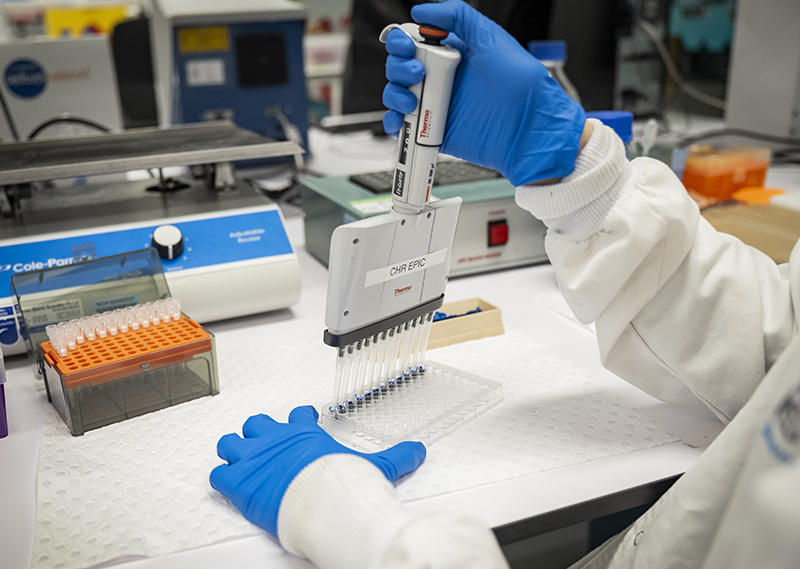
Researchers from The Kids Research Institute Australia have been awarded more than $11 million to support vital child health projects, under the Federal Government’s Medical Research Future Fund.
Children with chronic medical diseases are at an unacceptable risk of hospitalisation and death from influenza and SARS-CoV-2 infections. Over the past two decades, behavioural scientists have learnt how to design non-coercive 'nudge' interventions to encourage positive health behaviours. Our study aims to evaluate the impact of multicomponent nudge interventions on the uptake of COVID-19 and influenza vaccines in medically at-risk children.
Invasive Group B Streptococcus remains a leading cause of infant morbidity and mortality. Intrapartum antibiotic prophylaxis has been implemented in many countries with a reduction in early-onset disease, but an effective vaccine may further reduce the disease burden. Candidate vaccines targeting capsular polysaccharides and surface proteins are now in clinical trials.
The incidence of respiratory syncytial virus (RSV) in adults is inadequately defined and the impact of SARS-CoV-2-related non-pharmaceutical interventions (NPIs) is underexplored. Using laboratory data, we described the detection rate of RSV in adults ≥16 years in Western Australia (WA) between 2017 and 2023.
Invasive fungal disease (IFD) remains a challenging complication of treatment for paediatric acute leukaemia. Consensus fungal treatment guidelines recommend withholding chemotherapy to facilitate immune recovery in this setting, yet prolonged delays in leukaemia therapy increase risk of relapse.
Invasive fungal disease (IFD) is a common and important complication in children with acute myeloid leukaemia (AML). We describe the epidemiology of IFD in a large multicentre cohort of children with AML.

Parents of babies in Perth and Adelaide are being urged to take part in a landmark study to examine the best ways to keep their child safe from influenza this winter, amid a surge in serious infections.