
Search
Invasive fungal disease (IFD) remains a challenging complication of treatment for paediatric acute leukaemia. Consensus fungal treatment guidelines recommend withholding chemotherapy to facilitate immune recovery in this setting, yet prolonged delays in leukaemia therapy increase risk of relapse.
Invasive fungal disease (IFD) is a common and important complication in children with acute myeloid leukaemia (AML). We describe the epidemiology of IFD in a large multicentre cohort of children with AML.

Parents of babies in Perth and Adelaide are being urged to take part in a landmark study to examine the best ways to keep their child safe from influenza this winter, amid a surge in serious infections.
From 1 January 2020 to 31 December 2021, thirty-eight institutions across Australia submitted data to the Australian Group on Antimicrobial Resistance (AGAR) from patients aged < 18 years (AGAR-Kids). Over the two years, 1,679 isolates were reported from 1,611 patients. This AGAR-Kids report aims to describe the population of children and adolescents with bacteraemia reported to AGAR and the proportion of resistant isolates.
Invasive fungal disease is a common and important complication in children with acute myeloid leukaemia (AML). We describe the epidemiology of IFD in a large multicentre cohort of children with AML.

Babies worldwide could have access to life-saving influenza vaccinations from just eight weeks of age thanks to researchers at The Kids Research Institute Australia and the generous support of the Telethon community.
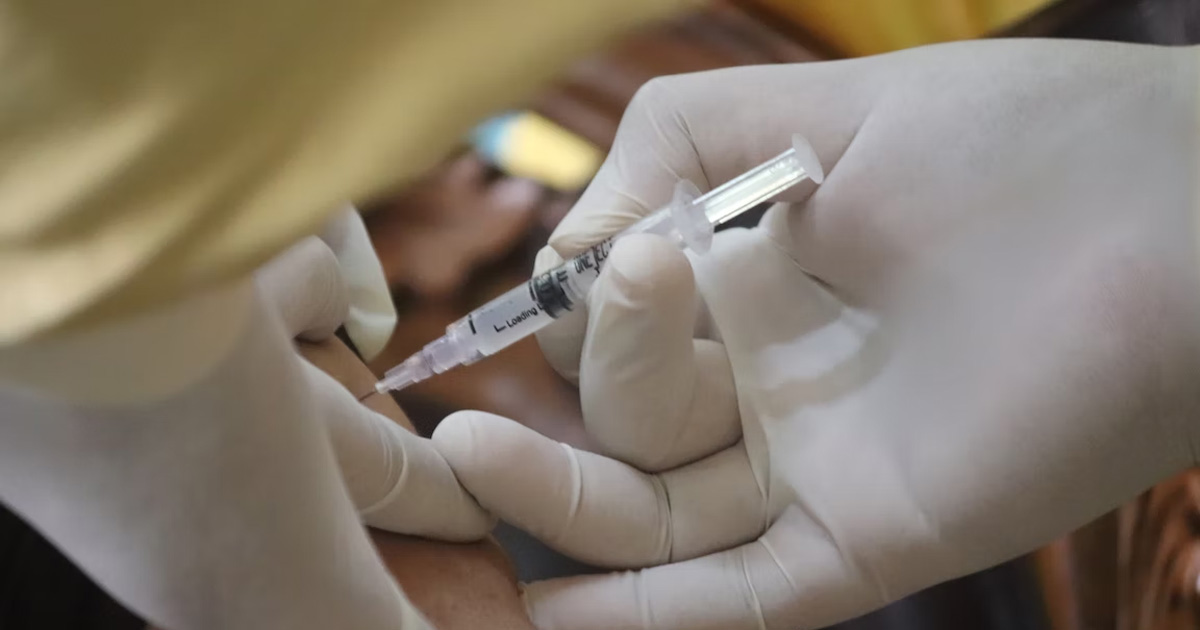
A The Kids Research Institute Australia study has suggested the seasonal flu vaccine for children could also protect them from respiratory syncytial virus (RSV), with the dual benefit easing pressure on hospitals.
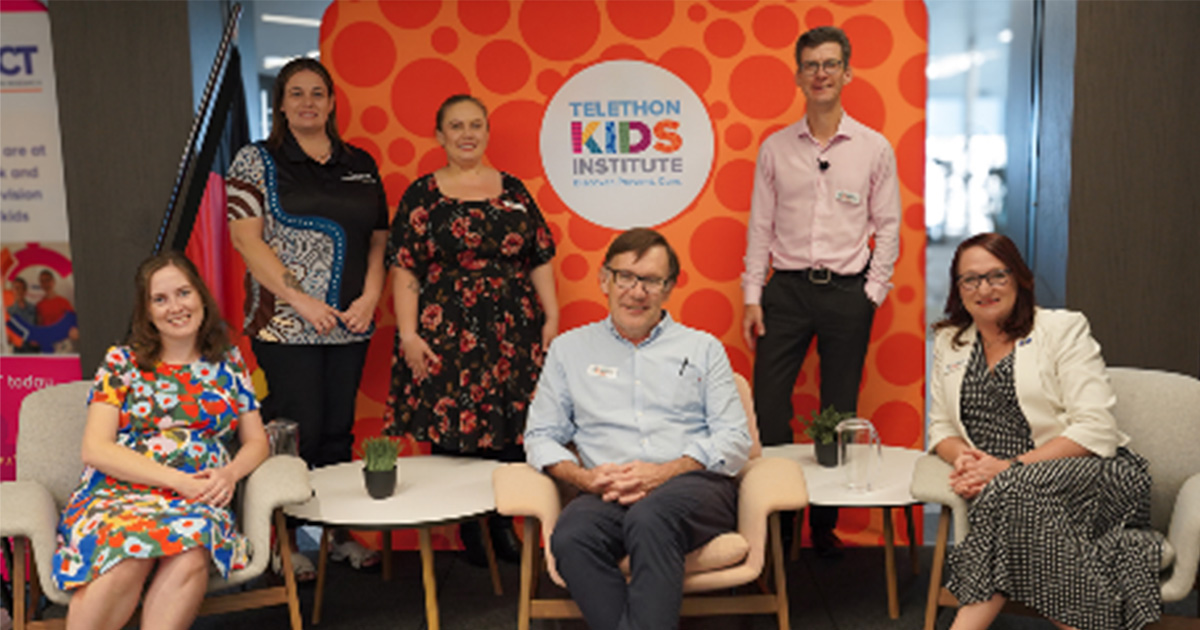
STAMP RSV is a multifaceted program of work with the single focus to prepare the community for the uptake of new and emerging RSV immunisation strategies by providing the evidence to inform public health policy.
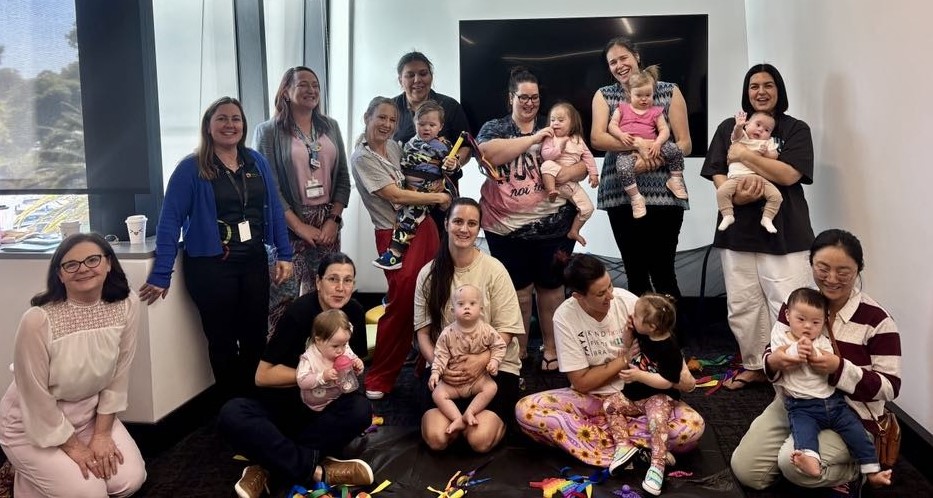
Researchers from the Wesfarmers Centre of Vaccines and Infectious Diseases, based at The Kids Research Institute Australia, are partnering with Down Syndrome WA to learn more about how respiratory syncytial virus, or RSV, affects children with increased medical vulnerability.
This tool is designed to help current and future parents and caregivers as well as health care providers. It is currently based on the 2026 Western Australian RSV immunisation program.