
Search
Showing results for "early life"
Using the WA Data Linkage System to provide information of the incidence and relative risk of T1D co-morbidities and mortality during early adulthood.
Studies examining associations of early-life cat and dog ownership with childhood asthma have reported inconsistent results. Several factors could explain these inconsistencies, including type of pet, timing, and degree of exposure. Our aim was to study associations of early-life cat and dog ownership with asthma in school-aged children, including the role of type (cat vs dog), timing (never, prenatal, or early childhood), and degree of ownership (number of pets owned), and the role of allergic sensitization.
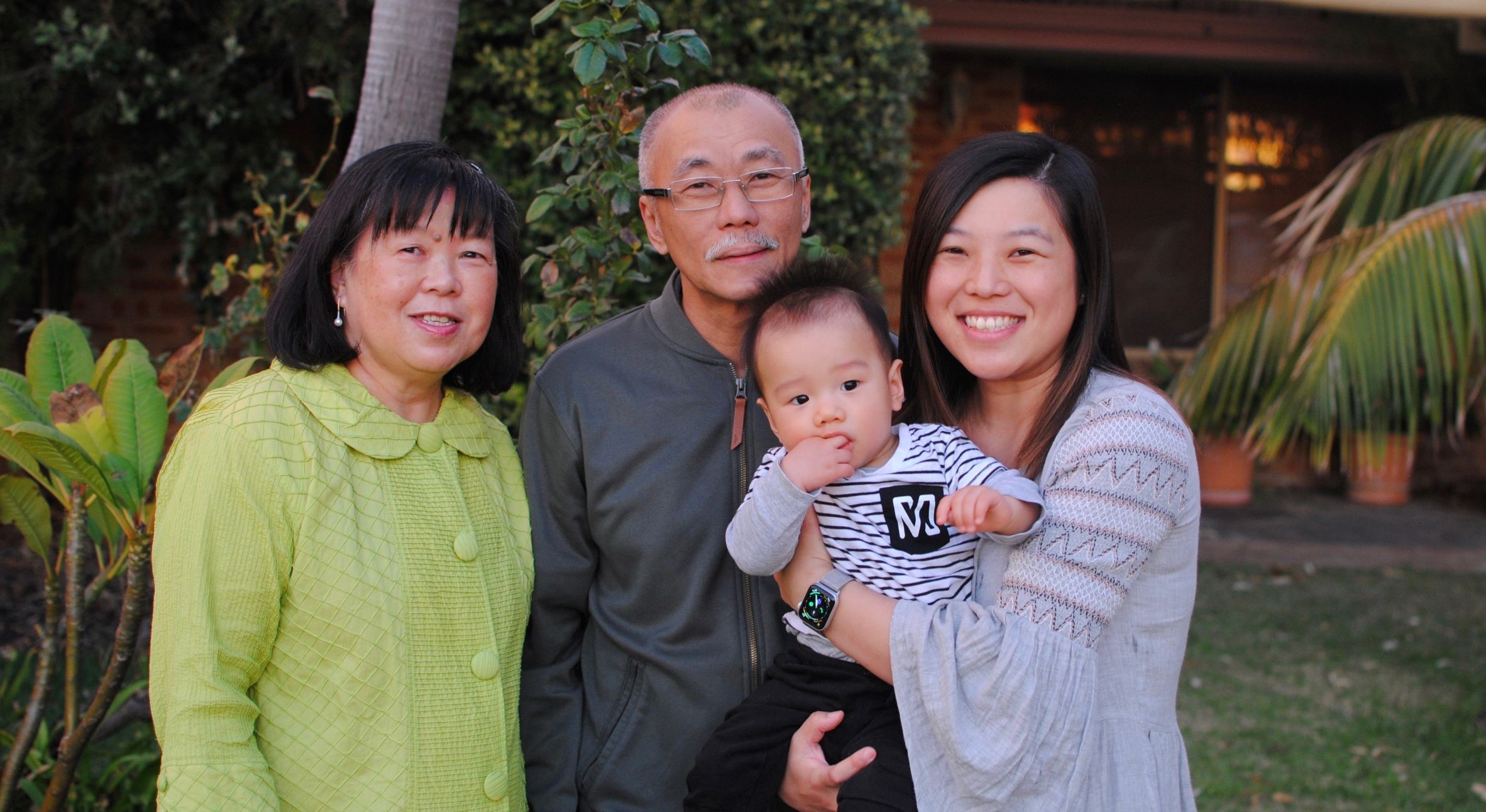
Between 1989 and 1991, almost 3,000 WA babies were recruited to the Raine Study - an ambitious research project which would yield a series of paradigm-shifting findings that changed scientific thinking. Three decades on, it has also changed the lives of those taking part.
Satisfactory content validity is reported, where ongoing consumer feedback shaped the dataset from which the final items were selected
To compare quality of life (QOL) across diagnoses associated with intellectual disability, construct QOL profiles and evaluate membership by diagnostic group, function and comorbidities.

An international team of researchers has pioneered a technique which gives unprecedented insight into the dramatic changes occurring in a baby’s body in the first week of life.

Every decision a child with type 1 diabetes makes can impact on their blood glucose levels.

Every decision a child with type 1 diabetes makes can impact on their blood glucose levels.
An estimated half of all children with cerebral palsy also have comorbid intellectual disability, the domains of QOL for these children are not well understood
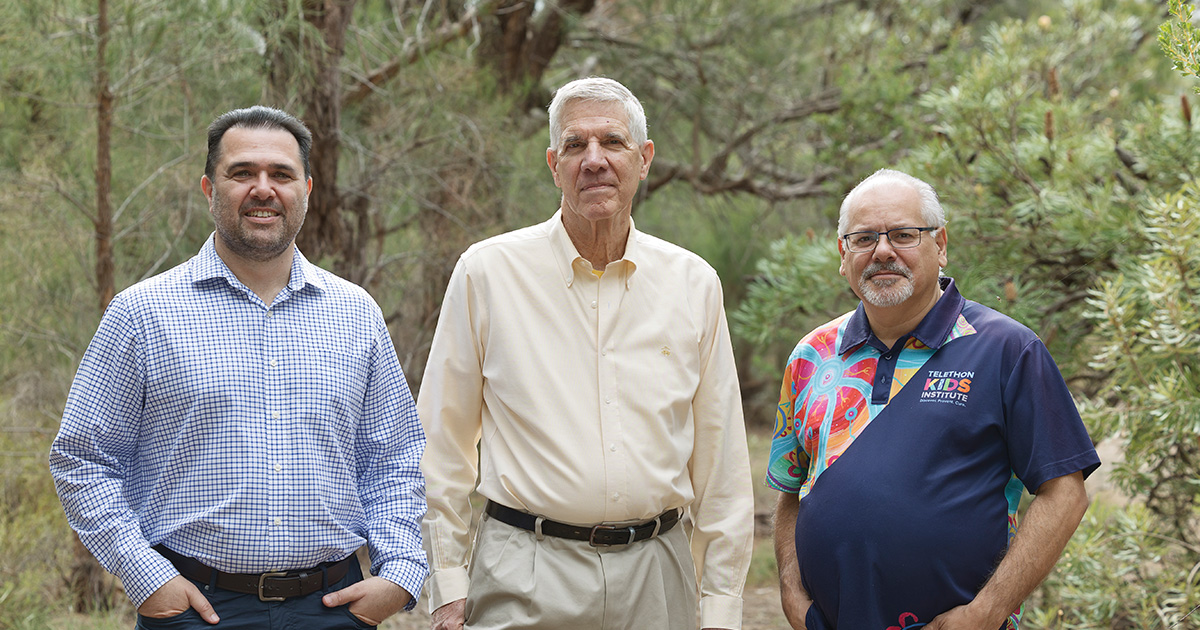
In 1998, The Kids Research Institute Australia embarked on one of the most ambitious population health projects in Western Australian history.