
Search
The END RHD CRE is producing a costed, step-wise strategy to end rheumatic heart disease (RHD) as public health priority in Australia.

Rheumatic heart disease, a deadly yet entirely preventable heart disease taking the lives of Aboriginal and Torres Strait Islander people, is finally on the verge of elimination thanks to new research
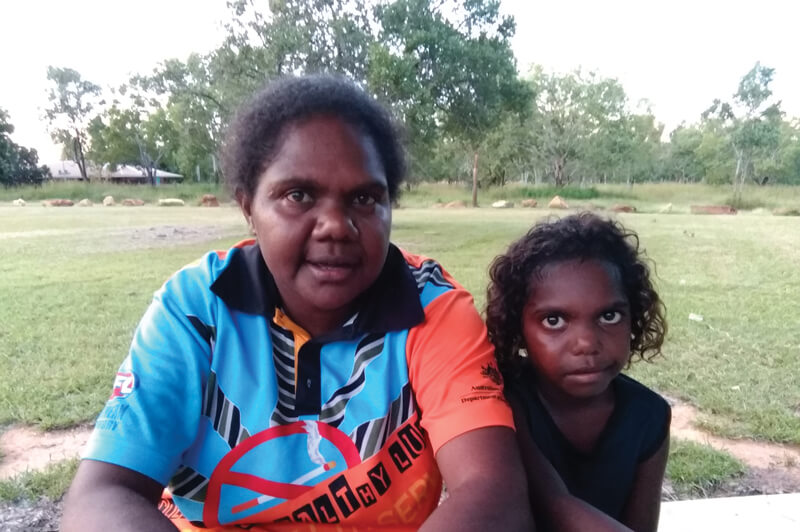
Collaboration is the driving force behind ‘END RHD Demonstration Communities’ – a new community-driven, research-backed approach to tackling rheumatic heart disease (RHD) in remote Australia.
Between 3rd - 5th May 2018, researchers from Australia, New Zealand, South Africa, and the United States (representing their Uganda collaboration) convened in Fremantle, Western Australia to attend the Strep A Spectrum Meetings: from Science to Strategy.

The Kids Research Institute Australia & Menzies School of Health Research will lead an international project to develop a diagnostic tool for acute rheumatic fever.

Once you hear it, you won’t be able to get it out of your head – and that’s exactly the point of the new song ‘Boom Boom’.