
Search
The emotional exhaustion component of burnout is concerningly prevalent in psychologists providing psychotherapy. Emotional labor is a known contributor to burnout through the pathway of emotional dissonance and is beginning to develop attention in psychologist wellbeing literature.
Irritability is a transdiagnostic indicator of child and adolescent internalizing and externalizing problems that is measurable from early life. The objective of this systematic review was to determine the strength of the association between irritability measured from 0 to 5 years and later internalizing and externalizing problems, to identify mediators and moderators of these relationships, and to explore whether the strength of the association varied according to irritability operationalization.
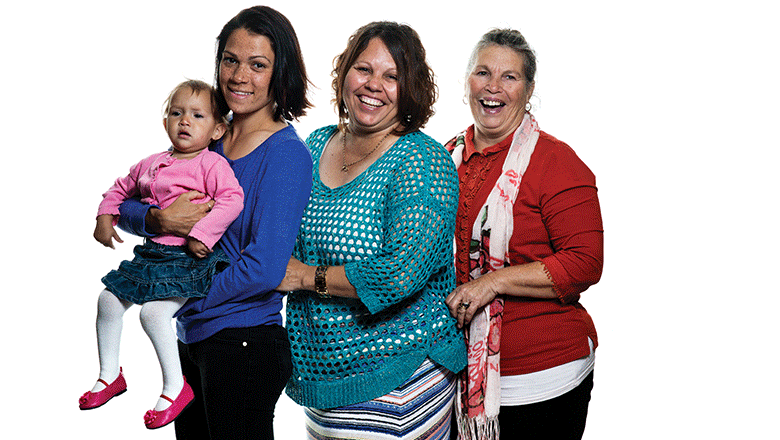
A study by researchers at The Kids Research Institute Australia has found Aboriginal mothers are at a significantly greater risk of preventable death than other Australia

Three researchers from The Kids Research Institute Australia were recognised as being among Western Australia’s brightest and most innovative scientific minds at last night’s 24th Premier's Science Awards.
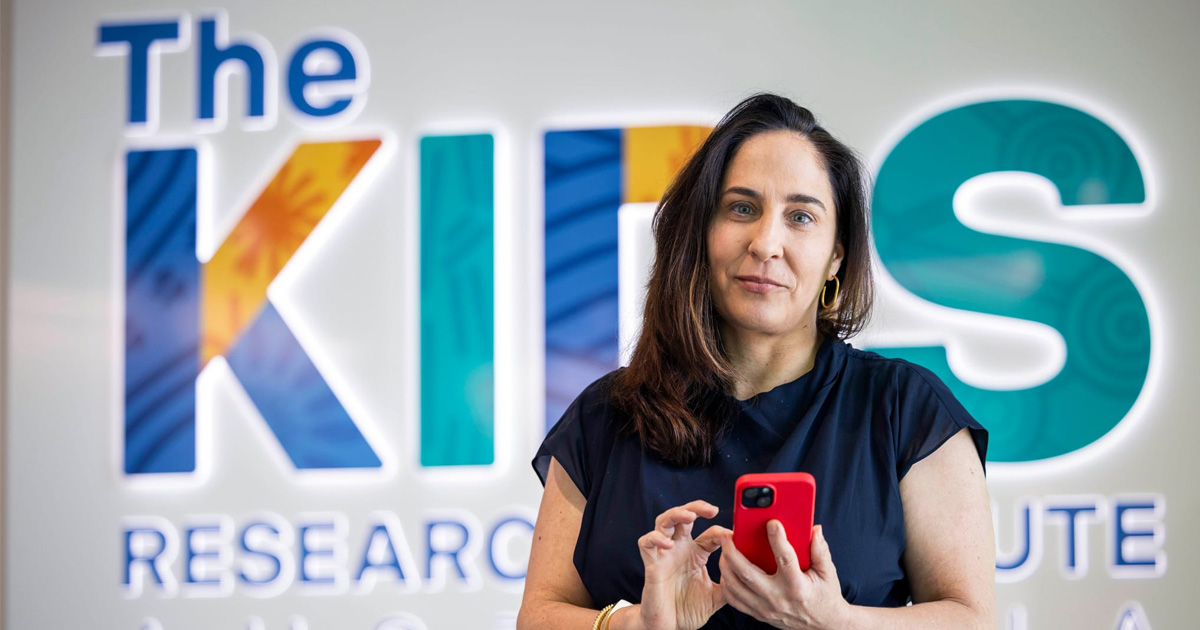
A unique national study to examine the impact of the Federal Government’s social media ban on families is being undertaken by The Kids Research Institute Australia, in collaboration The University of Western Australia and Edith Cowan University.

A The Kids Research Institute Australia researcher whose work focuses on the mental health of babies and young children has been chosen from a global field to become one of 20 new Zero to Three Fellows.
Despite the various traumatic events that a young person living with type 1 diabetes (T1D) may experience, little is known about the burden and manifestation of traumatic stress in this population. Though mental health outcomes have been explored generally, medical trauma-sensitive approaches to understanding these experiences remain limited. We utilised a qualitative descriptive approach to explore the impact of T1D on young people’s mental health through the paediatric medical traumatic stress model.
Children with serious burns often suffer psychosocial consequences. This study evaluated the pilot of a 6-session psychoeducational intervention newly designed to support the wellbeing of children who experienced burns.
The understanding of children's social and emotional development in middle childhood is critical to promote well-being throughout the life course. Children who fail to develop social and emotional competencies are more likely to experience difficulties in adulthood and, in the worst case, psychopathology. The current study will employ Cross-Lagged Network Models to investigate children's social and emotional development among Australian children aged 6 to 10 years.
Culturally unsafe mental health services contribute to persistent inequities for Aboriginal and Torres Strait Islander peoples, yet existing cultural safety frameworks lack clear, prioritised, community-endorsed implementation guidance. This study aimed to establish Aboriginal consensus on cultural safety principles, implementation priorities and practical actions for culturally safe mental health services.