
Search
Reducing the incidence and prevalence of standard modifiable cardiovascular risk factors (SMuRFs) is critical to tackling the global burden of coronary artery disease (CAD). However, a substantial number of individuals develop coronary atherosclerosis despite no SMuRFs. SMuRFless patients presenting with myocardial infarction have been observed to have an unexpected higher early mortality compared to their counterparts with at least 1 SMuRF.
Although recent studies have demonstrated associations between nonchromosomal birth defects and several pediatric cancers, less is known about their role on childhood leukemia susceptibility. Using data from the Childhood Cancer and Leukemia International Consortium, we evaluated associations between nonchromosomal birth defects and childhood leukemia.
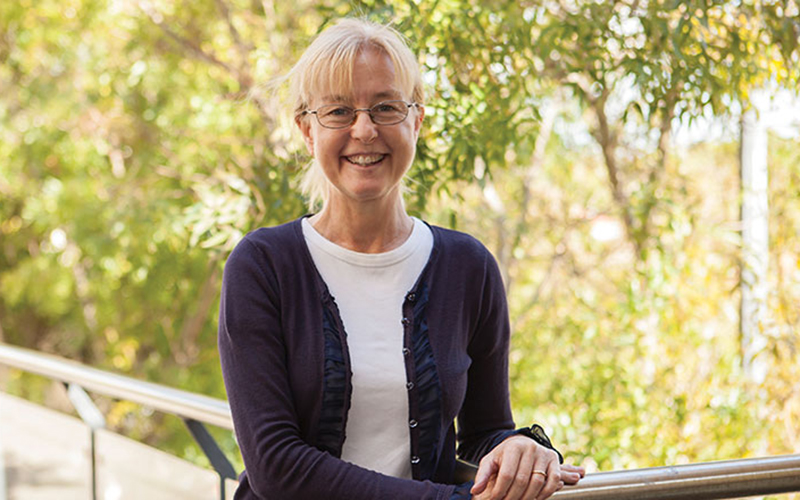
For families with a child with disability, this involves many extra care duties especially if their child has high and complex needs.

Australian parents have a new weapon in the battle to keep their kids safe online with the launch of ‘Beacon’.

Discover the EYI Research Profile at The Kids' Institute, showcasing innovative child health research and its impact on young lives.
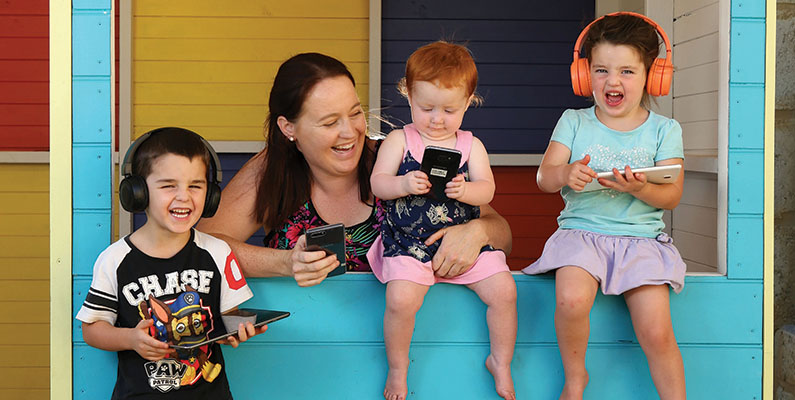
An ORIGINS study aims to find out more about family screen habits to help provide clearer, more realistic advice.

Telethon Kids Institute researchers have found more than half of young people who consumed energy drinks suffered negative health effects.
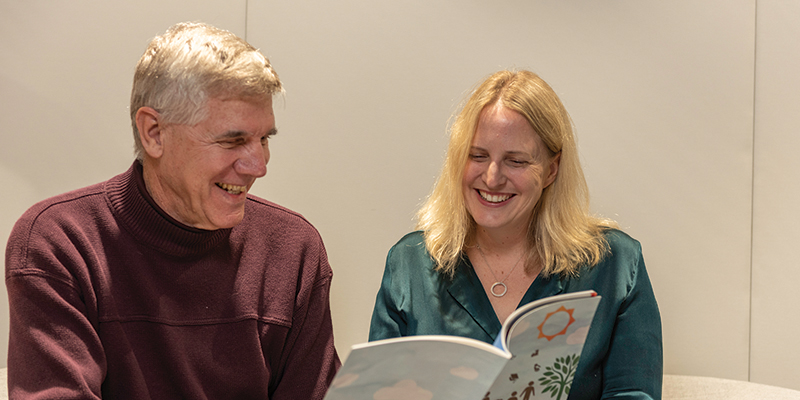
Professor Zubrick and Dr Kirsten Hancock are among several Telethon Kids researchers working through the Life Course Centre.

Telethon Kids Institute research revealed Aboriginal children are 10 times more likely than non-Aboriginal children to be placed in out-of- home care.
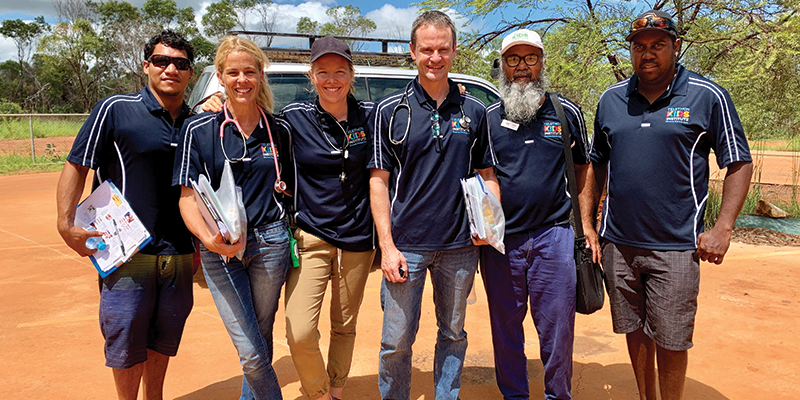
Prevalence of chronic lung disease in Aboriginal children is conservatively estimated at 1.5 per cent