
Search
Showing results for "early life"
This study aimed to investigate acamprosate and naltrexone dispensing patterns in Australia.
The EQ-5D-Y-5L is a generic preference-based measure of health-related quality of life for children. This study aimed to describe the distributional properties, test-retest reliability, and convergent validity of the EQ-5D-Y-5L in children with intellectual disability (ID).
Access to adequate nutrition is a human right. In 2023, 23% of Australian households were severely food insecure, reducing food intake, skipping meals or days of eating. Food insecurity in early childhood is linked to poor health and development. Specifically, breakfast provides children with the necessary nutrients required for sustained attention, memory, and cognitive growth. Australian research has reported that one in three children aged 8–18 years regularly skip breakfast. However, there is little understanding of the prevalence of food insecurity among young children in Australia.
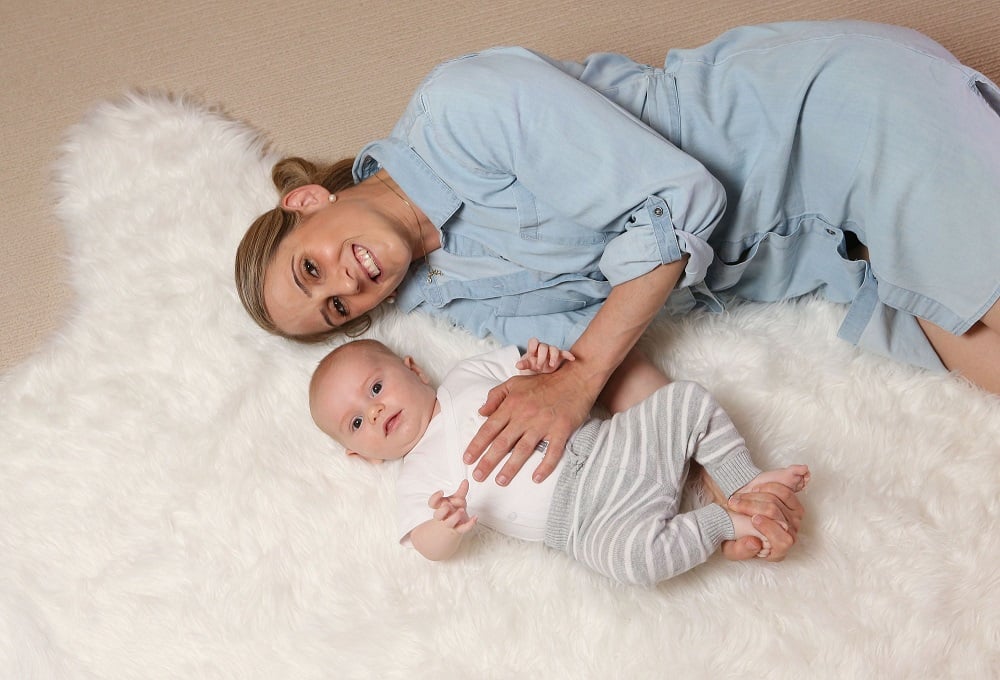
The ORIGINS Project’s Early Moves study is investigating whether a baby’s early movements can predict learning difficulties later in childhood.
ORIGINS is the largest study of its kind in Australia, following 10,000 children, from their time in the womb, over a decade to improve child and adult health.
This review article examines the evidence of the impact of in utero and postnatal vitamin D exposure on allergy risk in childhood
To understand the prevalence of children and adolescents’ electronic device use (EDU) in the hour before bed and identify sociodemographic groups that are at increased risk of problematic use.
Father-child attachment during the first five years of life plays a vital role in child health and wellbeing but remains an under-researched area. Recently, self-compassion has emerged as a mechanism through which parent–child attachment may be optimized via its capacity to promote parental mental health and wellbeing, yet little is known about self-compassion among fathers specifically.
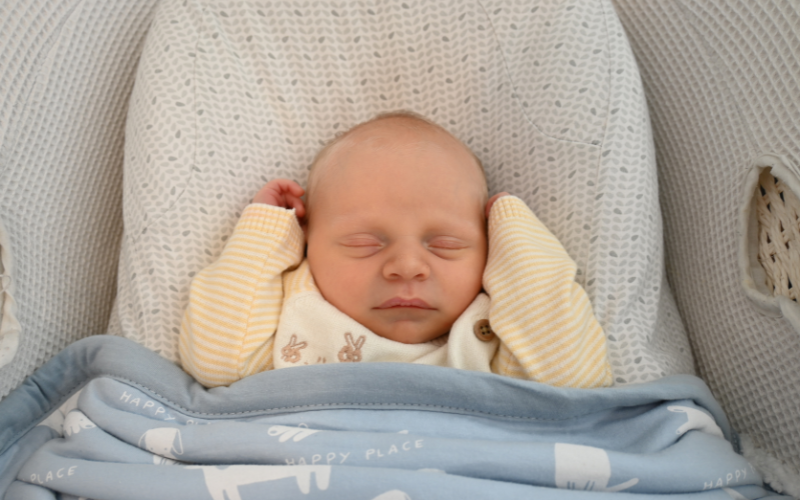
The AERIAL study, in partnership with The ORIGINS Project, endeavours to understand if exposures during pregnancy and early life can affect the cells lining the airways in newborns, and whether this is associated with the development of wheeze, allergy and asthma later in childhood.
The discoveries that have set our research apart primarily relate to the factors early in life that cause life-long respiratory problems.