
Search
Citation: Giles-Corti B, Moudon AV, Lowe M, Adlakha D, et al.. Creating healthy and sustainable cities: what gets measured, gets done. Lancet Global
This Series on urban design, transport, and health aimed to facilitate development of a global system of health-related policy and spatial indicators to assess achievements and deficiencies in urban and transport policies and features. This final paper in the Series summarises key findings, considers what to do next, and outlines urgent key actions.
We examined whether caregivers of children/adolescents enroled in a randomised controlled trial (RCT) of a family-centred intervention indirectly achieved reductions in body mass index (BMI), and if these were associated with changes in their children’s BMI.
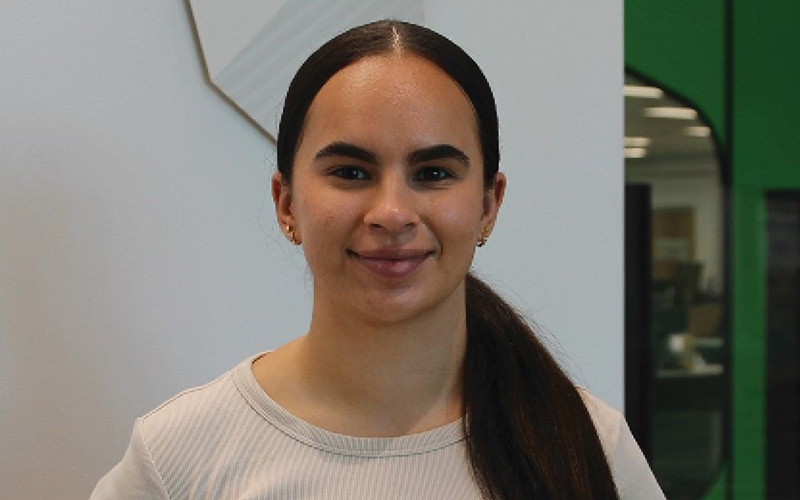
Shanara Quartermaine has just received 2022Supporting Training of Aboriginal Researchers & Staff (STARS) Capacity Building Funding Award.

Shakara Liddelow-Hunt secured STARS funding to attend a two-day workshop, Start Talking About Relationships & Sexual Health Training.
Encephalitis is most often caused by a variety of infectious agents identified through diagnostic tests utilizing cerebrospinal fluid. We investigated the clinical characteristics and potential aetiological agents of unexplained encephalitis through metagenomic sequencing of residual clinical samples from multiple tissue types and independent clinical review.
Neisseria meningitidis is a gram-negative diplococcus and a transient commensal of the human nasopharynx. It shares and competes for this niche with a number of other Neisseria species including N. lactamica, N. cinerea and N. mucosa. Unlike these other members of the genus, N. meningitidis may become invasive, crossing the epithelium of the nasopharynx and entering the bloodstream, where it rapidly proliferates causing a syndrome known as Invasive Meningococcal Disease.
Using over 50 thousand time-use diaries from two cohorts of children, we document significant gender differences in time allocation in the first 16 years in life. Relative to males, females spend more time on personal care, chores and educational activities and less time on physical and media related activities. These gender gaps in time allocation appear at very young ages and widen overtime.
Pathogenic variants in the CDKL5 gene result in CDKL5 deficiency disorder (CDD), which is characterized by early-onset epilepsy, severe developmental delay, and often, cortical visual impairment. Validated clinical outcome measures are needed for future clinical trials to be successful. This study aimed to adapt the Rett Syndrome Hand Function Scale for CDKL5 deficiency disorder and evaluate its feasibility, acceptability, content validity, and reliability.
Infants with cystic fibrosis (CF) develop structural lung disease early in life, and viral infections are associated with progressive lung disease. We hypothesized that the presence of respiratory viruses would be associated with structural lung disease on computed tomography (CT) of the chest in infants with CF.